
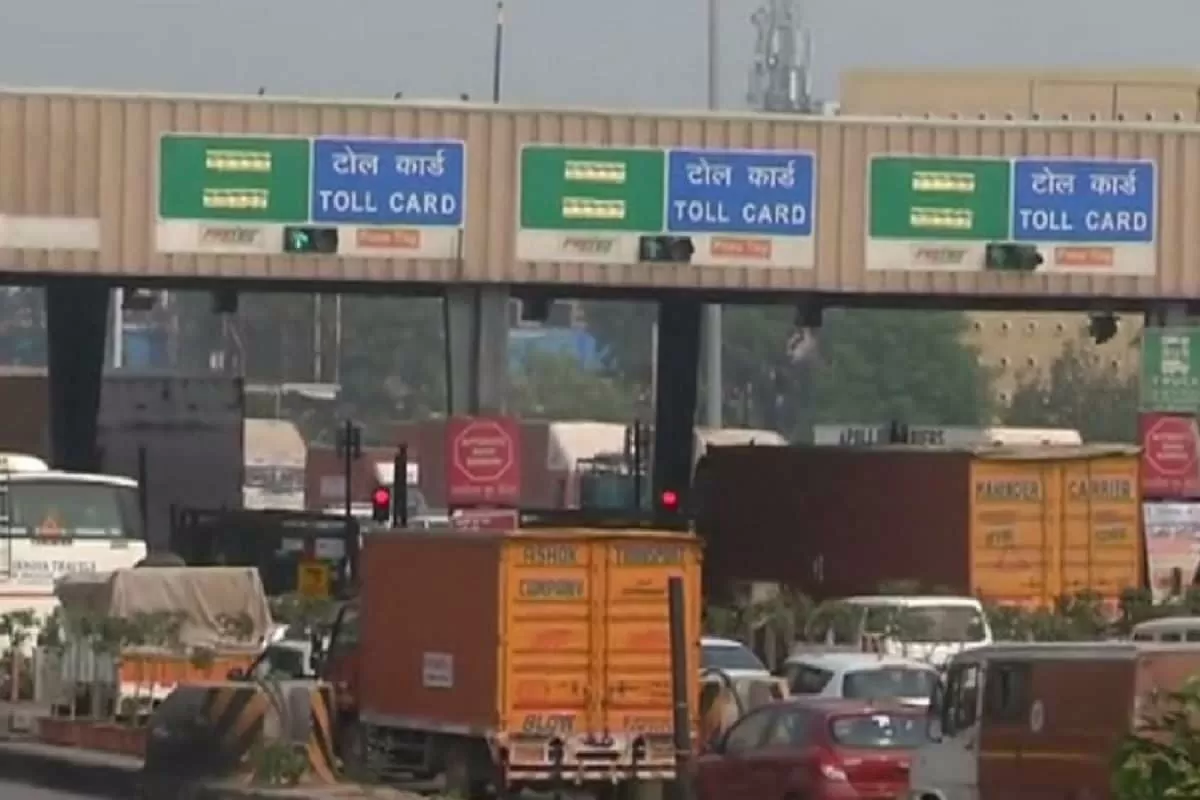
The days of waiting in long lines at toll plazas are soon to be a thing of the past. With the introduction of free-flow tolling systems, vehicles can now pass through toll plazas without the need to stop. This revolutionary system has been gaining popularity in recent years, and for good reason. With its efficiency and convenience, free-flow tolling is changing the game for commuters and travelers all over the world.
But how exactly does this system work? Free-flow tolling, also known as open-road tolling, uses technology such as electronic toll collection (ETC) or automatic number plate recognition (ANPR) to collect toll fees from vehicles without the need for them to stop. As a vehicle passes through the toll plaza, the system automatically detects its presence and charges the appropriate toll fee to the driver’s account.
One of the biggest advantages of free-flow tolling is the elimination of traffic congestion at toll plazas. Anyone who has ever been stuck in a long line of cars waiting to pay toll fees knows how frustrating it can be. With free-flow tolling, vehicles can simply drive through the toll plaza without stopping, allowing for a smooth and uninterrupted flow of traffic. This not only saves time for drivers but also reduces air pollution caused by idling vehicles.
Moreover, free-flow tolling offers a more convenient and hassle-free experience for drivers. With no need to stop and pay toll fees, drivers can save time and effort, especially during peak travel seasons. This system is particularly beneficial for long-distance travelers who may have to pass through multiple toll plazas on their journey. With free-flow tolling, they can easily pass through each one without any interruption.
Aside from its convenience and efficiency, free-flow tolling also promotes safety on the roads. The reduction of traffic congestion at toll plazas means fewer chances of accidents and collisions. This is especially important for heavy vehicles such as trucks and trailers, where sudden braking at toll plazas can cause serious accidents. With free-flow tolling, these vehicles can maintain a constant speed, reducing the risk of accidents.
Free-flow tolling is also a cost-effective solution for toll road operators. The installation and maintenance of toll booths can be expensive, not to mention the manpower needed to operate them. With free-flow tolling, toll road operators can save on these costs, making it a more sustainable option in the long run. This also means that toll fees can be kept at a reasonable rate, making it more affordable for drivers.
Furthermore, the use of electronic toll collection in free-flow tolling eliminates the need for cash transactions, reducing the risk of theft and fraud. This gives drivers peace of mind knowing that their toll fees are being securely collected and processed.
It is no surprise that many countries are now adopting free-flow tolling systems. In Europe, it is estimated that over 75% of toll roads use some form of electronic toll collection. The United States is also catching on, with states like Florida and Texas implementing open-road tolling on major highways. These numbers are expected to grow as more countries and states see the benefits of this system.
In conclusion, free-flow tolling is a game-changer in the world of toll roads. Its efficiency, convenience, and safety benefits make it a highly desirable option for both drivers and toll road operators. With the continued advancements in technology, we can expect to see more countries and states adopting this system in the future. Say goodbye to long lines and waiting at toll plazas, and welcome a smoother, more convenient journey on the roads with free-flow tolling.
