
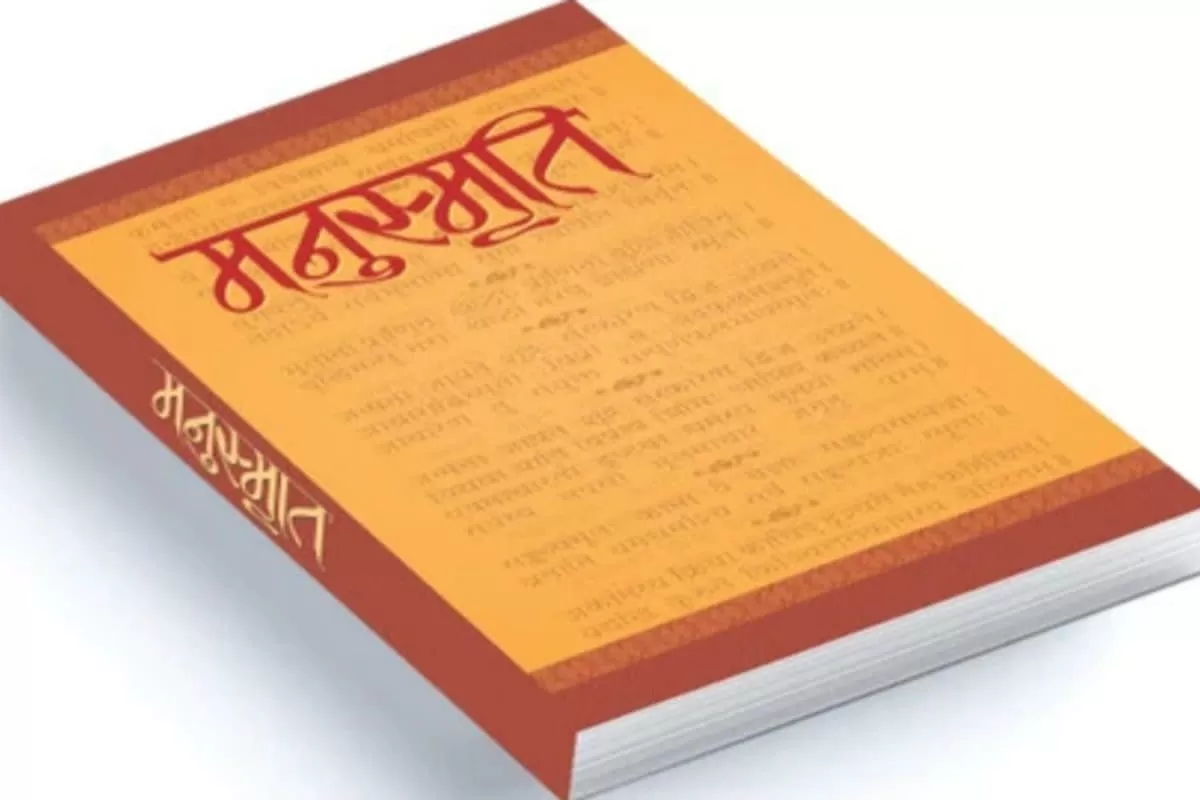
In today’s fast-paced world, where technology and innovation are constantly evolving, it is easy to dismiss the relevance of old texts. Many people view these texts as outdated and obsolete, with little to offer in our modern society. However, it is high time we examine an important question: why are these texts, which have stood the test of time, being cast as the villain responsible for all our societal miseries today?
Firstly, it is essential to understand that these old texts, whether religious, philosophical, or literary, have played a crucial role in shaping our society. They have been passed down from generation to generation, and their teachings and principles have influenced our laws, morals, and values. They have served as a guide for individuals and societies alike, providing a foundation for our civilization.
Moreover, these texts offer a window into the past, giving us a glimpse of how people lived, thought, and perceived the world centuries ago. They provide us with insights into our history and culture, helping us understand our roots and identity. By dismissing them as irrelevant, we risk losing a significant part of our heritage and knowledge.
Furthermore, these old texts are a testament to the human experience. They reflect the universal themes of love, loss, hope, and suffering that have been present throughout history. They speak to the human condition and have the power to resonate with us, regardless of time or place. They offer a sense of connection and understanding to those who read them, making them a valuable source of wisdom and comfort.
It is also important to note that these texts are not static. They have been interpreted and reinterpreted countless times throughout the years, allowing them to remain relevant and adaptable to different contexts. They have been able to withstand the test of time precisely because of their ability to evolve and adapt to changing circumstances.
So why have these old texts been cast as the villain responsible for all our societal miseries today? One reason could be the misconception that they are rigid and outdated, with no room for interpretation or change. However, this is far from the truth. These texts are open to multiple interpretations, and their teachings can be applied to various situations and times. It is our responsibility to read them with an open mind and understand their underlying messages.
Another reason could be the misuse of these texts by individuals or organizations for their own agendas. It is important to recognize that these texts are not to blame for the actions of a few. It is the individuals who manipulate and twist their teachings for their benefit that should be held accountable.
Moreover, it is crucial to acknowledge that societal miseries are a result of complex and interconnected factors. To solely blame old texts for our problems is to oversimplify the issue and ignore other contributing factors such as socio-economic disparities, political systems, and individual choices. These texts may have their flaws, but they cannot be held solely responsible for the challenges we face today.
In conclusion, it is high time we reevaluate the role of old texts in our society. Instead of dismissing them, we should recognize their value and appreciate the lessons they have to offer. These texts have stood the test of time for a reason, and it is our responsibility to learn from them and use their teachings to create a better future. Let us not cast them as the villain, but rather see them as a source of knowledge, wisdom, and inspiration.
