
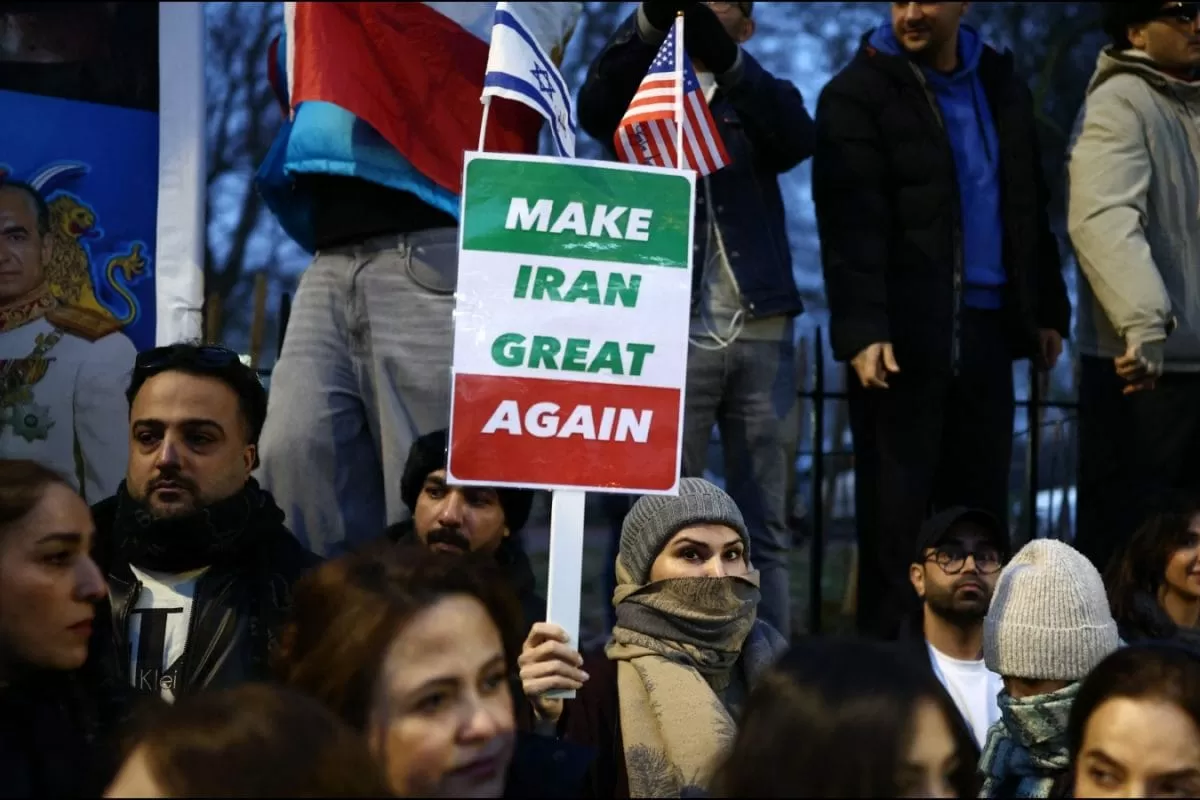
In recent weeks, the world has been closely watching the ongoing protests in Iran. The country has been rocked by widespread demonstrations, with citizens taking to the streets to voice their frustrations and demand change. These protests have been met with a heavy-handed response from the Iranian government, leading to international concern and condemnation.
One of the key figures in this situation has been US President Donald Trump. His initial response to the protests was to threaten military action against the Iranian government, a move that sparked fear and uncertainty among the international community. However, in a surprising turn of events, Trump has since moderated his stance and expressed support for the Iranian people.
While this change in tone is certainly a positive development, it is important to recognize that the underlying causes of the uprising in Iran may take longer to resolve. The protests are not simply about economic issues or political grievances, but rather a deep-rooted desire for freedom and democracy.
For decades, the Iranian people have been living under a repressive regime that has stifled their voices and denied them basic human rights. The recent protests are a manifestation of this pent-up frustration and a cry for change. It is a powerful reminder that the desire for freedom and democracy is universal, and cannot be suppressed forever.
The Iranian government’s response to the protests has been concerning, to say the least. Reports of violence, arrests, and internet shutdowns have raised alarm bells among human rights organizations and world leaders. The use of force against peaceful protesters is a violation of their fundamental rights and cannot be justified under any circumstances.
In this context, Trump’s initial threat of military action was met with widespread criticism and concern. Many feared that such a move would only escalate the situation and lead to further bloodshed. However, his subsequent change in tone and expression of support for the Iranian people is a welcome development.
It is heartening to see that the US government is standing with the Iranian people in their quest for freedom and democracy. This sends a strong message to the Iranian government that the world is watching and will not turn a blind eye to their actions. It also provides a glimmer of hope for the protesters, who have been risking their lives to demand change.
However, it is important to recognize that the underlying issues in Iran cannot be resolved overnight. The country has a long history of political and social turmoil, and the road to democracy will not be easy. It will require sustained efforts from both the Iranian people and the international community.
The Iranian government must listen to the voices of its people and address their legitimate grievances. This includes allowing for peaceful protests, releasing political prisoners, and respecting the basic human rights of its citizens. The international community, on the other hand, must continue to put pressure on the Iranian government to uphold these values and support the Iranian people in their struggle for democracy.
In conclusion, while Trump’s change in stance on military action against Iran is a positive development, it is important to remember that the underlying causes of the protests may take longer to resolve. The Iranian people have shown incredible courage and determination in their fight for freedom, and it is our responsibility as a global community to stand with them and support their cause. Only then can we hope to see a brighter future for Iran, where the voices of its people are heard and their rights are respected.
