
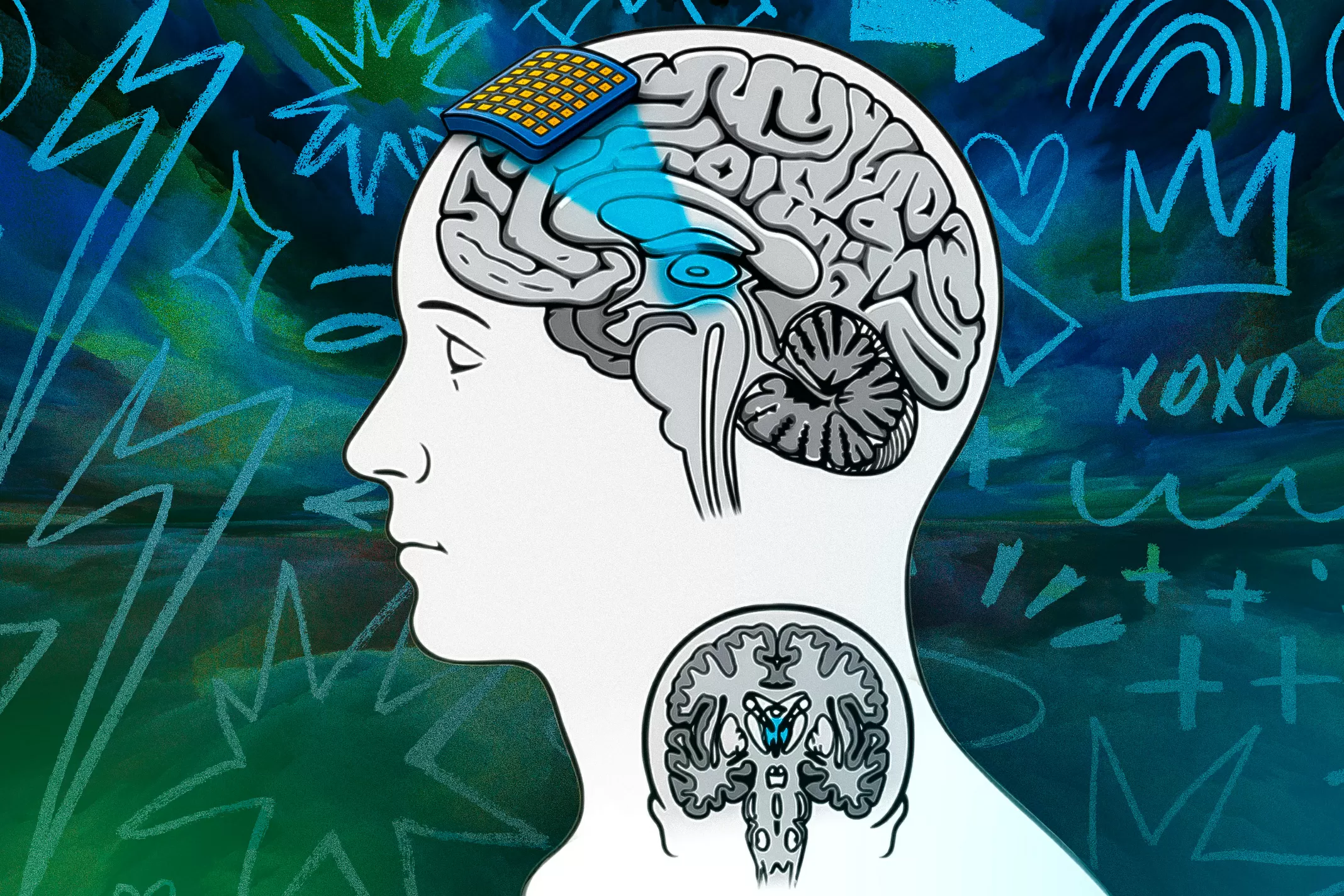
Transcranial focused ultrasound (tFUS) has garnered increasing attention in the field of neuroscience as a noninvasive method for stimulating and imaging brain activity. This innovative technique uses ultrasonic waves to target specific areas of the brain, providing a promising alternative to traditional invasive methods such as deep brain stimulation. Now, a group of researchers from institutions including the University of Virginia, Stanford University, and the University of Zurich have proposed a roadmap for utilizing tFUS in future studies, paving the way for new discoveries and treatments.
The brain is a complex and mysterious organ, responsible for our thoughts, feelings, and actions. Understanding its functions and dysfunctions is crucial in advancing our knowledge of the human mind and developing treatments for neurological disorders. However, studying the brain has always been a challenging task due to its delicate structure and the risk involved in invasive procedures. This is where tFUS comes in, offering a safe and noninvasive way to manipulate and observe brain activity.
So, how does tFUS work? It involves the use of ultrasonic waves, which are sound waves with frequencies higher than the human ear can detect. These waves are focused onto a precise area of the brain, stimulating neurons and triggering activity in that region. By altering the intensity and frequency of the waves, researchers can control the type and strength of the stimulation. Moreover, tFUS can also be used to generate images of brain activity, providing a way to see how different regions of the brain respond to stimuli.
One of the key advantages of tFUS is its noninvasive nature. Unlike traditional methods such as electrodes or implants, tFUS does not require any surgical procedures, thus eliminating the risks associated with invasive techniques. This makes it a much safer option for both research and potential clinical applications. Furthermore, tFUS is also painless and does not require any sedation, making it a more comfortable experience for patients.
In their proposed roadmap, the researchers outline the potential applications of tFUS in various fields of neuroscience, including cognitive neuroscience, neuromodulation, and diagnostic imaging. They also suggest a collaboration between researchers from different disciplines to explore the full potential of tFUS in studying the brain. By combining tFUS with other techniques such as functional magnetic resonance imaging (fMRI) and electroencephalography (EEG), researchers can gain a more comprehensive understanding of how the brain functions.
The roadmap also highlights the need for standardization in tFUS studies, including the development of a common language and protocols for data analysis. This will ensure that results from different studies are comparable and reproducible, thus advancing the field as a whole. The researchers also emphasize the importance of ethical considerations in the use of tFUS, advocating for transparency and informed consent in all studies.
The potential applications of tFUS are far-reaching. In cognitive neuroscience, tFUS could be used to explore the neural mechanisms underlying human behavior and decision-making. It could also be used in neuromodulation to treat conditions such as depression, Parkinson’s disease, and chronic pain. In diagnostic imaging, tFUS could provide a fast and cost-effective way to detect brain abnormalities, aiding in early diagnosis and treatment of diseases.
The proposed roadmap for tFUS is an exciting development in the field of neuroscience. It not only highlights the potential of this technique but also provides a framework for future studies to follow. With its noninvasive and versatile nature, tFUS has the potential to revolutionize our understanding of the brain and open new doors for treatments and cures for neurological disorders.
In conclusion, tFUS is a promising tool that offers a safe and noninvasive way to stimulate and image brain activity. The proposed roadmap for its use provides a guideline for future studies, promoting collaboration and standardization in the field. With its potential to unlock the mysteries of the brain and improve the lives of those with neurological disorders, tFUS is a ray of hope for the future of neuroscience. Let us embrace this innovative technology and continue to explore its limitless possibilities.
