
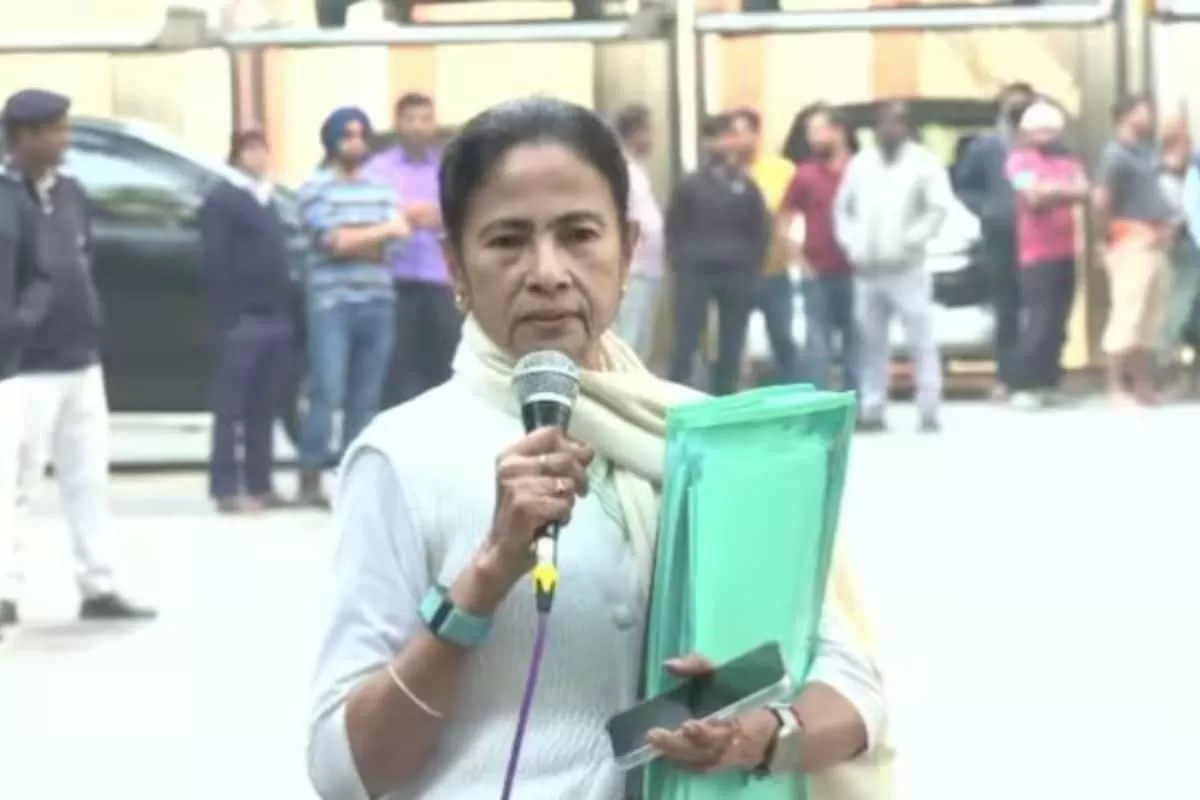
Mamata Banerjee, the Chief Minister of West Bengal, is a powerful and influential politician in India. She has been known for her strong leadership and has gained immense popularity among the people of West Bengal. However, her recent actions have raised some concerns and have strengthened the perception that she is prone to operating like a mob boss, above accountability.
Mamata Banerjee has been ruling the state of West Bengal for the past 10 years, and her leadership has been hailed for bringing about significant development and growth in the state. She has implemented various social welfare schemes and has taken steps to improve the standard of living of the people. Her dedication and hard work have earned her the title of ”Didi” (sister) among her supporters.
However, in recent times, Mamata Banerjee’s actions have sparked controversy and have raised questions about her style of governance. One such incident was the Nandigram violence, where the police fired on protesters, resulting in several deaths. The incident was widely condemned, and even the judiciary criticized Mamata Banerjee’s administration for its handling of the situation. This incident strengthened the perception that she is above accountability and operates like a mob boss, using her power to suppress dissent.
Moreover, Mamata Banerjee’s autocratic style of functioning has been evident in several other incidents as well. She has been accused of silencing opposition parties and using her authority to suppress any dissenting voices. The recent arrest of BJP politician, Rakesh Singh, by the Kolkata police without any valid reason is another example of her authoritarian approach. Such incidents have given rise to the perception that Mamata Banerjee considers herself above the law and can operate like a mob boss without any consequences.
Furthermore, Mamata Banerjee’s handling of the COVID-19 situation in West Bengal has also called her leadership into question. The state has been grappling with a surge in COVID-19 cases, and the healthcare system has been under immense pressure. The state government has been accused of underreporting the number of cases and deaths, and there have been allegations of mismanagement of resources and inadequate facilities for patients. This has further strengthened the perception that Mamata Banerjee is more concerned about her image than the welfare of her people.
In addition to her autocratic style of functioning, Mamata Banerjee’s actions have also raised concerns about her approach towards dissent and criticism. She has been quick to take action against anyone who speaks against her, be it journalists, doctors, or even students. Journalists have been arrested for reporting on her government’s failures, doctors have been suspended for highlighting the lack of proper equipment, and students have been detained for criticizing her policies. Such actions have created an atmosphere of fear and intimidation and have reinforced the perception that Mamata Banerjee is unaccountable and operates like a mob boss.
Moreover, Mamata Banerjee’s recent actions following the assembly elections in West Bengal have only added fuel to the fire. Her government has been accused of carrying out post-poll violence against the opposition parties and their supporters. Several incidents of attacks on BJP workers have been reported, and the central government has taken a serious note of the situation. The opposition has accused Mamata Banerjee of using her position and power to silence her critics and maintain her grip on the state.
In conclusion, Mamata Banerjee’s actions have undoubtedly strengthened the perception that she is prone to operating like a mob boss, above accountability. Her autocratic style of functioning, suppression of dissent, and misuse of power have called into question her leadership and have raised concerns about the state of democracy in West Bengal. It is high time for Mamata Banerjee to introspect and work towards gaining the trust of the people by fostering a more democratic and transparent style of governance. Only then can she truly be the ”Didi” that the people of West Bengal want and deserve.
