
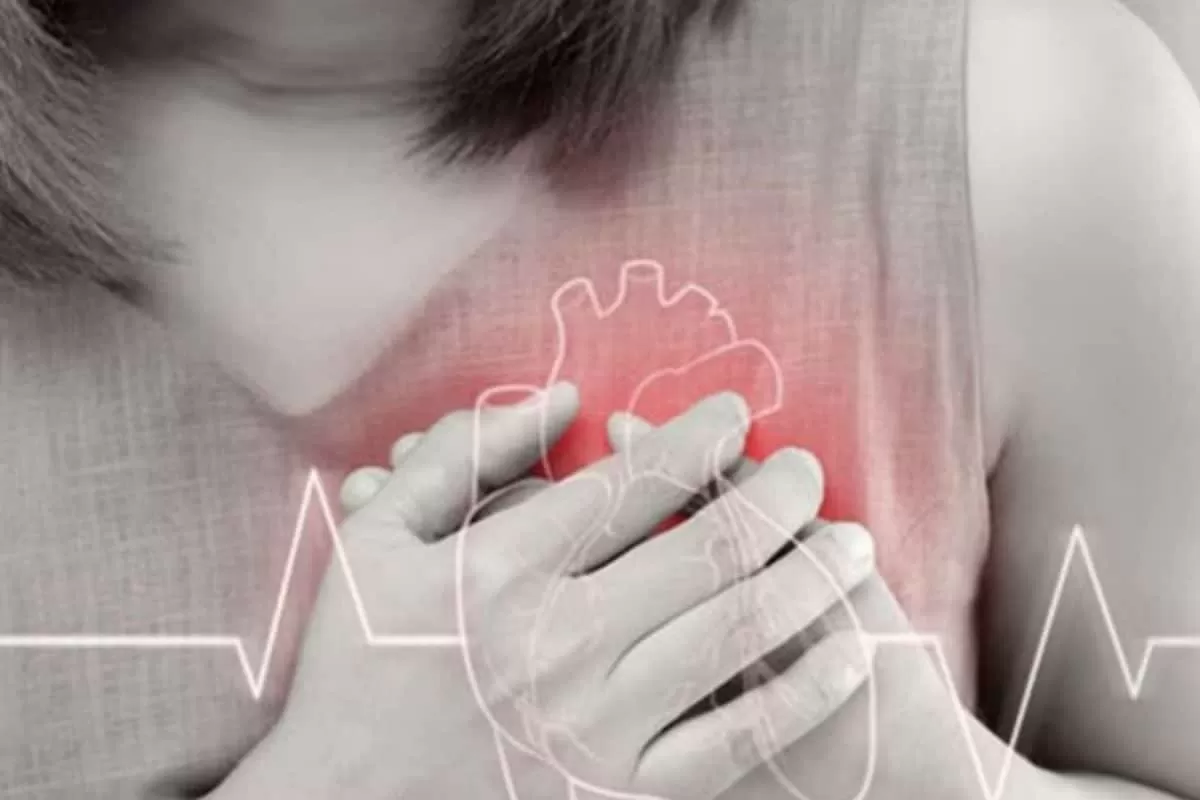
As the winter season approaches, it brings with it a host of challenges for our health. The cold weather can affect our bodies in many ways, and one of the most significant impacts is on our cardiovascular system. In severe winter, our blood vessels constrict, and as a result, our blood pressure rises, increasing the risk of heart attacks. This is a serious concern, and to shed light on this issue, we spoke to Dr. Naresh Trehan, the Chairman of Medanta Hospital, to understand how we can prevent this from happening.
Dr. Trehan, a renowned cardiologist, explained that the cold weather can be particularly dangerous for people with pre-existing heart conditions. The drop in temperature causes our blood vessels to narrow, which makes it harder for the blood to flow through. This puts extra pressure on the heart, leading to an increased risk of heart attacks. He also added that the risk is higher for people who have a history of heart disease, high blood pressure, or high cholesterol levels.
So, what can we do to prevent this from happening? Dr. Trehan suggests that the key to protecting ourselves from heart attacks in severe winter is to take a proactive approach. He emphasizes the importance of making lifestyle changes and following a healthy routine. Here are some tips that he shared with us:
1. Keep yourself warm: The first and most crucial step is to keep yourself warm. Wear layers of warm clothing when stepping out, and make sure to cover your head, hands, and feet properly. This will help prevent your body from losing heat, and in turn, will keep your blood vessels from constricting.
2. Stay active: It’s essential to stay active even during the winter season. Regular exercise helps improve blood circulation and keeps your heart healthy. Dr. Trehan recommends engaging in activities like brisk walking, jogging, or cycling for at least 30 minutes every day.
3. Eat a heart-healthy diet: Our diet plays a crucial role in maintaining our heart health. In winter, we tend to crave warm, comfort foods, which are often high in calories and unhealthy fats. Dr. Trehan advises incorporating fruits, vegetables, whole grains, and lean proteins into our meals. These foods are rich in nutrients that are beneficial for our heart and overall health.
4. Don’t ignore warning signs: Dr. Trehan stresses the importance of paying attention to warning signs of a heart attack, such as chest pain, shortness of breath, and dizziness. If you experience any of these symptoms, seek medical help immediately.
5. Take your medications regularly: If you have been prescribed medications for a heart condition, make sure to take them regularly as prescribed. In winter, we tend to become lax with our medication routine, which can have severe consequences for our health.
Apart from these preventive measures, Dr. Trehan also recommends getting a regular check-up done, especially if you have a history of heart disease. This will help monitor your heart health and catch any potential issues early on.
In conclusion, the severe winter season can pose a significant risk to our heart health, but with the right approach, we can prevent it. Dr. Trehan’s advice is a reminder that we need to take care of our hearts, especially during this time of the year. So, let’s make sure to stay warm, active, and follow a healthy lifestyle to keep our hearts healthy and strong. Let’s not let the cold weather dampen our spirits and take charge of our health. Remember, prevention is always better than cure. Stay safe, stay healthy!
