
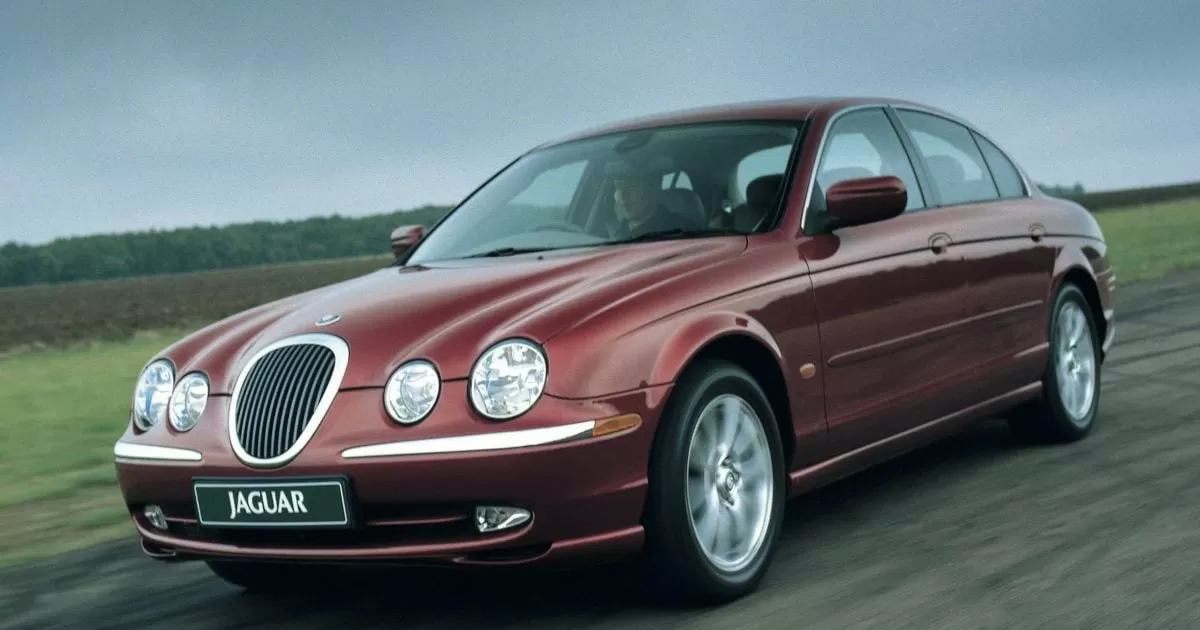
In 1999, Jaguar made a bold move by venturing down market in pursuit of higher volume. However, after two decades, the luxury car brand is now making a complete turnaround and shifting its focus towards being a small player with big margins. This strategic shift is a testament to Jaguar’s commitment to innovation and adaptability in an ever-changing market.
Jaguar has always been known for its high-end, luxurious cars that catered to a niche market. However, in the late 1990s, the brand faced stiff competition from other luxury car manufacturers, and its sales were declining. In an attempt to increase its market share and appeal to a wider audience, Jaguar decided to introduce more affordable models. This move was met with mixed reactions, with some praising the brand for its boldness, while others criticized it for diluting its image.
Despite the initial skepticism, Jaguar’s decision to venture down market proved to be a success. The introduction of the X-Type, a more affordable and compact model, helped the brand reach a wider audience and increase its sales. However, as the market continued to evolve, Jaguar realized that it needed to adapt once again to stay ahead of the competition.
In recent years, the luxury car market has become increasingly saturated, with more players entering the game. This has led to a decrease in profit margins for many brands, including Jaguar. In response, Jaguar has decided to do a complete 180 and shift its focus towards being a small player with big margins. This means that the brand will be producing fewer cars, but with a higher profit margin per unit.
This strategic shift is a bold move for Jaguar, but it is one that is necessary to ensure the brand’s long-term success. By focusing on producing fewer cars, Jaguar can maintain its exclusivity and appeal to its loyal customer base. At the same time, the brand can also increase its profit margins, which will help sustain its growth and development in the future.
One of the key factors that have enabled Jaguar to make this shift is its commitment to innovation. The brand has always been at the forefront of technological advancements in the automotive industry, and this has not changed. Jaguar has invested heavily in research and development to create cutting-edge technology that will set its cars apart from the competition. This includes the development of electric and hybrid models, which are becoming increasingly popular in the luxury car market.
Moreover, Jaguar’s focus on sustainability and eco-friendliness has also played a significant role in its decision to become a small player with big margins. The brand has set ambitious goals to reduce its carbon footprint and become a leader in the production of electric and hybrid cars. By producing fewer cars, Jaguar can ensure that each unit is made with the highest quality and adheres to its sustainability goals.
Another factor that has contributed to Jaguar’s success in this strategic shift is its strong brand image and reputation. Despite venturing down market in the past, Jaguar has maintained its status as a luxury brand that is synonymous with elegance, sophistication, and performance. This has allowed the brand to attract a loyal customer base that is willing to pay a premium for its cars.
In conclusion, Jaguar’s decision to become a small player with big margins is a strategic move that will secure its position in the highly competitive luxury car market. By focusing on innovation, sustainability, and maintaining its brand image, Jaguar is well-positioned to continue its growth and success in the future. This shift also reflects the brand’s ability to adapt and evolve with the changing market, making it a true leader in the automotive industry.
