
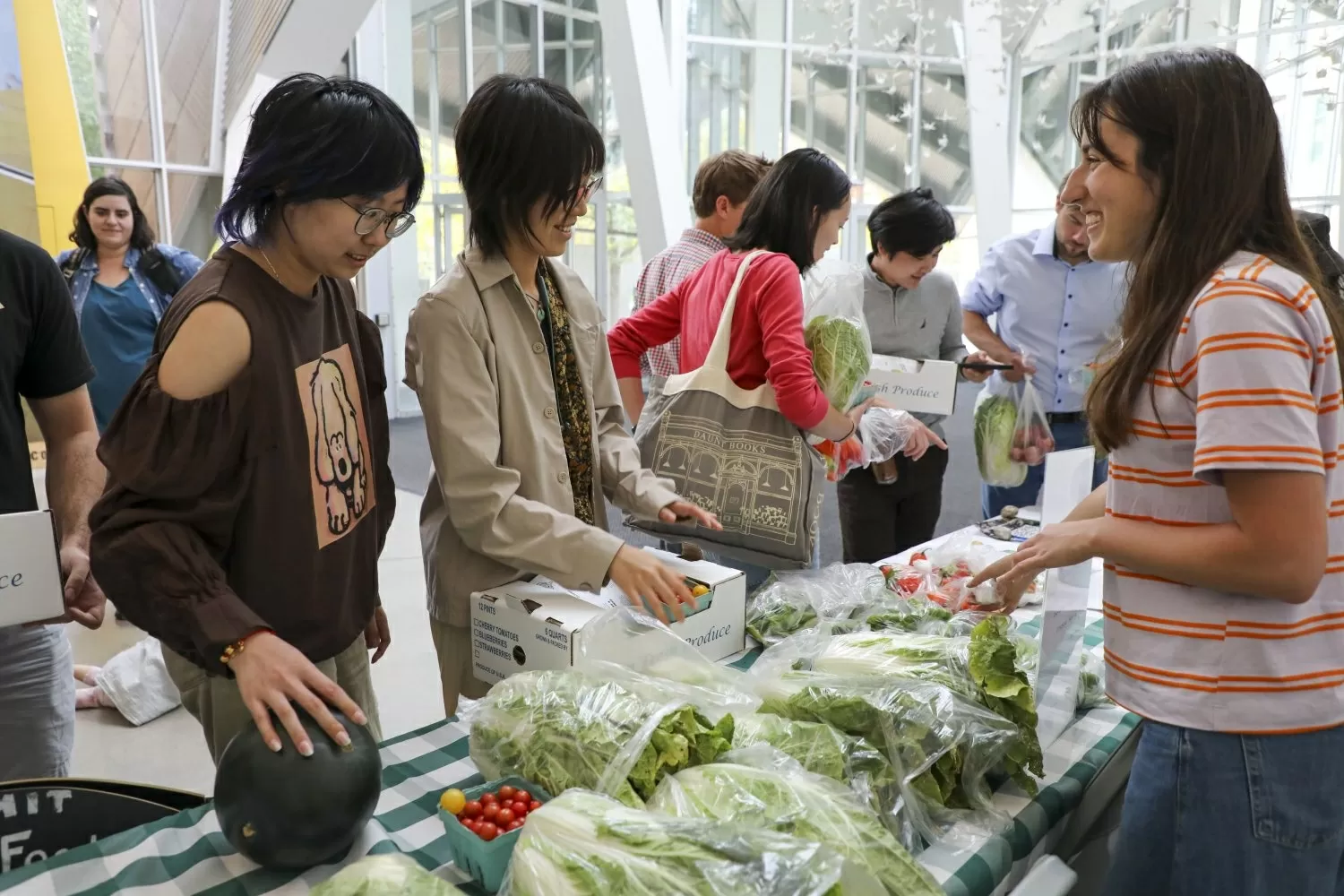
A volunteer-driven pilot program is bringing a new and exciting change to the MIT community. This program, aimed at promoting healthy and sustainable eating, is offering low-cost organic produce to students, faculty, and staff at the prestigious institution. This initiative is a result of the hard work and dedication of a group of volunteers who are passionate about promoting a healthy lifestyle and supporting local farmers.
The program, known as “Organic at MIT”, was launched last month and has already gained a lot of attention and support from the community. It offers a wide range of organic fruits and vegetables at affordable prices, making it accessible to everyone on campus. The produce is sourced from local farms that follow organic farming practices, ensuring that the food is free from harmful chemicals and pesticides.
The idea for this program came from a group of students who were concerned about the lack of healthy food options on campus. They noticed that most of the food available at the campus cafeteria and convenience stores was processed and lacked nutritional value. They also realized that organic produce was often expensive and not easily available to students on a tight budget. This motivated them to come up with a solution that would benefit the entire MIT community.
With the help of the MIT Food and Agriculture Club, these students reached out to local farmers and formed partnerships to bring their produce to campus. They also collaborated with the MIT Sustainability Office to ensure that the program aligns with the institute’s sustainability goals.
The response from the community has been overwhelming. Students and faculty members, who were previously struggling to find healthy food options, are now able to purchase affordable organic produce on campus. The program has also received positive feedback from the farmers involved, who are happy to see their produce being appreciated and consumed by the MIT community.
One of the main objectives of this program is to promote a healthy lifestyle among students and encourage them to make conscious food choices. With the rise of health issues such as obesity and diabetes, it is crucial to educate and provide access to nutritious food options. By offering low-cost organic produce, “Organic at MIT” is making it easier for students to adopt a healthy and sustainable diet.
Apart from promoting healthy eating, this program is also contributing to the local economy and supporting small-scale farmers. By sourcing produce from local farms, the program is reducing the carbon footprint of food transportation and promoting sustainable agriculture practices. This aligns with MIT’s commitment to sustainability and creating a positive impact on the environment.
The success of this pilot program has sparked discussions about expanding it to other universities and institutions. The “Organic at MIT” team is already working on strategies to make the program more accessible and sustainable in the long run. They are also planning to collaborate with the MIT Dining Services to incorporate organic produce into the campus meal plans.
The program has not only brought organic produce to the MIT community, but it has also created a sense of community and collaboration among students, faculty, and local farmers. It is a prime example of how a small group of dedicated individuals can make a significant impact in their community.
As the program continues to grow and evolve, it is expected to have a lasting impact on the eating habits and overall well-being of the MIT community. It serves as an inspiration for other institutions to take similar initiatives and promote healthy and sustainable living.
In conclusion, “Organic at MIT” is a volunteer-driven pilot program that is revolutionizing the way the MIT community eats. By offering affordable organic produce, it is promoting healthy eating habits, supporting local farmers, and contributing to a more sustainable future. This program is a testament to the power of collaboration and the impact that small actions can have on a larger scale. It is a step towards a healthier and more conscious community at MIT.
