
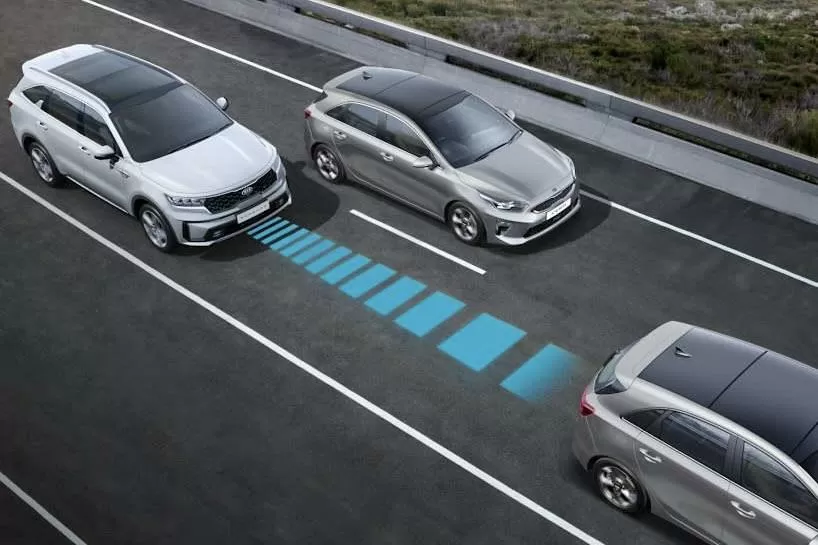
New research has revealed that the majority of drivers are not taking full advantage of the advanced features in their cars, and are hesitant to embrace the concept of self-driving cars. This finding has raised concerns about the potential for missed opportunities and the slow adoption of autonomous vehicles.
The study, conducted by a team of researchers at a leading automotive research institute, surveyed over 1000 drivers across different age groups and regions. The results showed that only a small percentage of drivers were utilizing the full capabilities of their cars, such as lane departure warning, adaptive cruise control, and automatic emergency braking. These features are designed to enhance safety and convenience, yet many drivers are not aware of their existence or do not know how to use them.
This lack of awareness and utilization of advanced features is a cause for concern, as it not only limits the potential benefits for drivers but also raises questions about their readiness for self-driving cars. The study also found that a significant number of drivers were skeptical about the safety and reliability of autonomous vehicles. This sentiment was particularly strong among older drivers, who expressed concerns about giving up control of their vehicles to technology.
The findings of this research highlight the need for greater education and awareness among drivers about the capabilities of their cars. With the rapid advancement of technology in the automotive industry, it is crucial for drivers to stay informed and up-to-date with the features and functions of their vehicles. This will not only improve their driving experience but also ensure their safety on the road.
Moreover, the study also sheds light on the importance of building trust in self-driving cars. While there is no denying that autonomous vehicles have the potential to revolutionize the way we travel, it is understandable that some drivers may have reservations about them. After all, the idea of a car driving itself can be daunting for many.
However, it is essential to note that self-driving cars are equipped with advanced sensors and technology that can detect and respond to potential hazards much faster than human drivers. They are also constantly learning and improving, making them safer and more reliable with each trip. As more and more self-driving cars hit the roads, it is only a matter of time before they become the norm, and drivers will have to adapt to this new reality.
To build trust in self-driving cars, it is crucial for car manufacturers and technology companies to be transparent about their development and testing processes. They must also work closely with regulatory bodies to ensure that these vehicles meet the highest safety standards. Additionally, educating the public about the benefits and capabilities of self-driving cars can go a long way in easing their concerns and gaining their trust.
It is also worth noting that self-driving cars have the potential to bring about significant positive changes in our society. They can reduce the number of accidents caused by human error, ease traffic congestion, and provide mobility solutions for those who are unable to drive, such as the elderly and people with disabilities. These benefits cannot be ignored, and it is up to us to embrace this technology and make the most of it.
In conclusion, the recent research findings have highlighted the need for drivers to be more aware and knowledgeable about the features in their cars. It is also essential for the public to have a better understanding and trust in self-driving cars. With the right education and transparency, we can pave the way for a safer and more efficient future of transportation. Let us embrace the advancements in technology and work towards a world where self-driving cars are the norm, and road accidents are a thing of the past.
