
Pakistan’s farmers play a vital role in the country’s economy, with agriculture serving as the backbone of the nation. However, recent developments in the Indus basin, which provides water to 80% of Pakistan’s agriculture, have raised concerns for the future of the farming community. The Indus basin is the lifeline for millions of farmers, and any changes in its water supply can have a significant impact on their livelihoods. In this article, we will explore the potential consequences of these developments and how they can be mitigated to ensure the sustainability of Pakistan’s agriculture sector.
The Indus basin, one of the largest river basins in the world, is a crucial source of water for Pakistan’s agriculture. It supports the cultivation of various crops, including wheat, rice, cotton, and sugarcane, which contribute significantly to the country’s GDP. However, the recent construction of dams and water diversion projects by neighboring countries has raised concerns for the farmers and their crops.
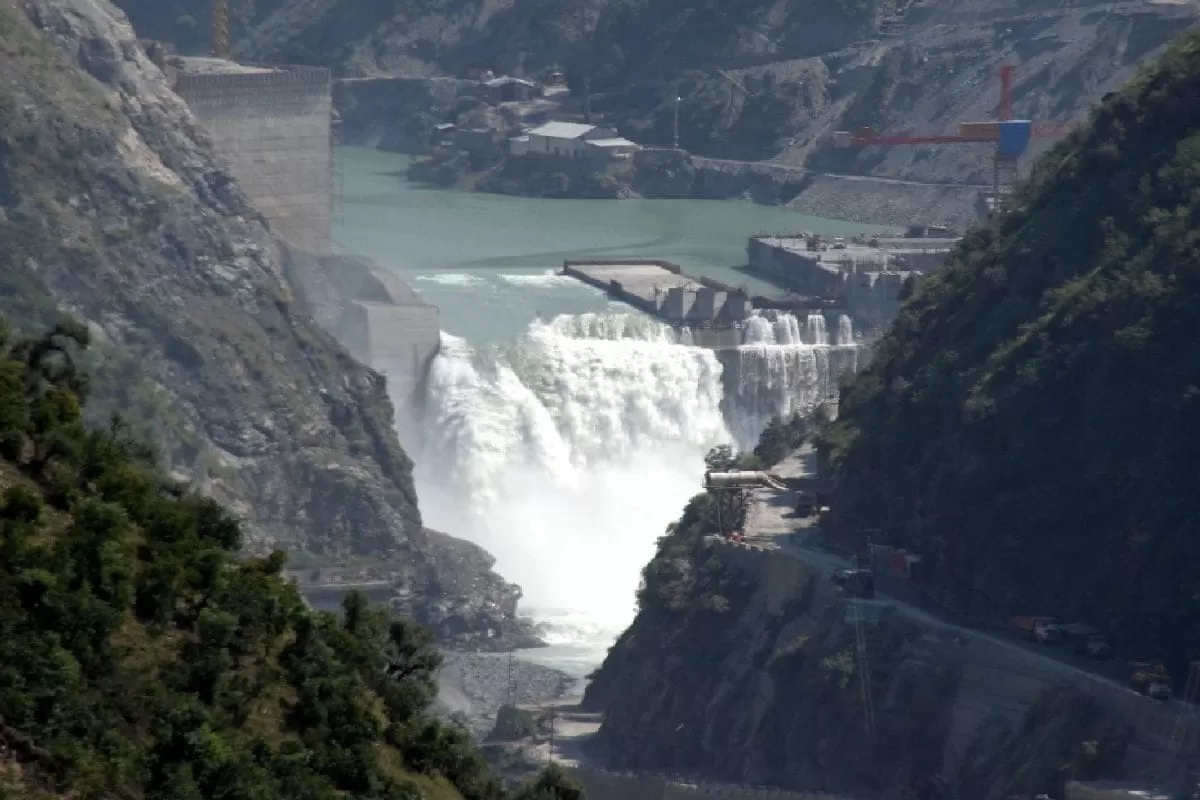
The construction of dams on the Indus river by India has reduced the water flow downstream, affecting the irrigation system in the country. This has resulted in a decrease in the availability of water for the crops, leading to lower yields and financial losses for the farmers. Similarly, the construction of dams on the Kabul river by Afghanistan has also resulted in a decreased flow of water in the Indus river, further exacerbating the situation.
Moreover, climate change has also played a significant role in the reduction of water in the Indus basin. The changing weather patterns have resulted in erratic monsoon rains, causing floods in some areas and droughts in others. This has put additional strain on the already struggling agriculture sector in the country.
The impact of these developments on Pakistan’s farmers cannot be overlooked. They are facing numerous challenges, including lower crop yields, increased input costs, and reduced profits. This has led to a decrease in their standard of living and has forced many to leave their profession and migrate to urban areas in search of alternative livelihoods.
However, all hope is not lost. The government and various organizations have taken steps to address these challenges and ensure the sustainability of Pakistan’s agriculture sector. The Indus River System Authority (IRSA) has been established to regulate and distribute water among the provinces, ensuring a fair share of water for all. The government has also launched various projects, such as the Kachhi Canal and Greater Thal Canal, to bring more land under irrigation and increase agricultural productivity.
Moreover, efforts are being made to promote sustainable farming practices, such as drip irrigation and conservation agriculture, which can help farmers reduce their dependence on water and increase their yields. Furthermore, the government is also investing in research and development to introduce drought-resistant crops and improve irrigation techniques.
The private sector has also stepped in to support the farmers. Many companies are providing training and resources to farmers to help them adopt modern techniques and increase their productivity. Additionally, microfinance programs have also been launched to provide financial assistance to small-scale farmers and help them invest in their farms.
The government and other stakeholders must continue to work towards addressing the challenges faced by Pakistan’s farmers. There is a need for better water management policies and infrastructure development to ensure a sufficient supply of water for agriculture. Furthermore, it is crucial to raise awareness among farmers about the impact of climate change and the importance of adopting sustainable practices.
In conclusion, the recent developments in the Indus basin have posed significant challenges for Pakistan’s farmers, who heavily rely on its water for their crops. However, with the support and efforts of the government, private sector, and other stakeholders, these challenges can be overcome, and the agriculture sector can thrive once again. It is crucial to take immediate action to ensure the sustainability of the Indus basin and secure the future of Pakistan’s farmers and the country’s economy.
