
It’s that time of the year again when our homes, streets and beyond light up with the brightest sparkle, and most souls head home to celebrate the festival of light with their loved ones – Diwali! This joyous occasion is eagerly awaited by millions of people all over the world, especially in India. As we gear up for the biggest Indian festival, here’s everything you need to know about Diwali, from the date and time to its significance.
Diwali, also known as Deepavali, is a five-day festival that falls in the Hindu month of Kartik (October/November). This year, Diwali will be celebrated on November 4th, with the main festivities taking place on the third day, which is known as Amavasya or the new moon day. The festival is celebrated on the darkest night of the year, symbolizing the triumph of light over darkness, good over evil, and knowledge over ignorance.
The word Diwali is derived from the Sanskrit word “Deepavali”, which means a row of lights. And indeed, Diwali is a festival of lights, with homes, streets, and public places adorned with diyas (earthen lamps), candles, and colorful lights. The sight of these lights illuminating the darkness is truly a sight to behold, and it is believed to bring prosperity and good luck into our lives.
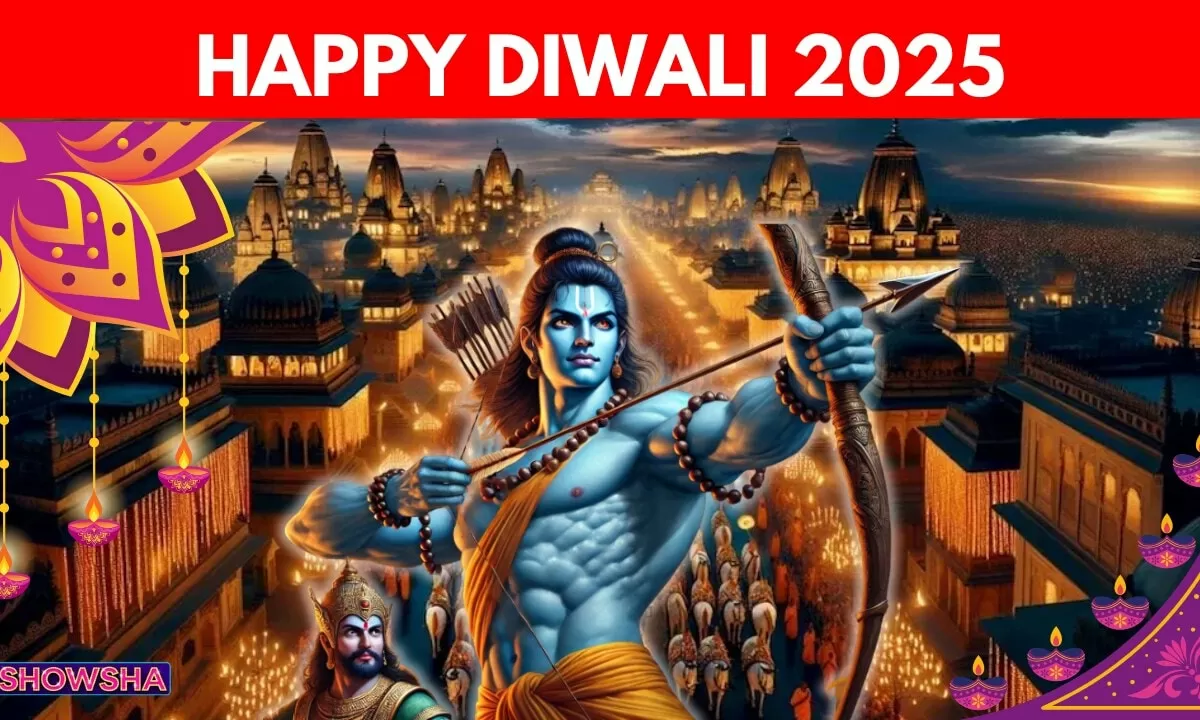
The festival of Diwali has many legends and stories associated with it. One of the most popular legends is the return of Lord Rama, along with his wife Sita and brother Lakshmana, to their kingdom Ayodhya after 14 years of exile. The people of Ayodhya welcomed them by lighting diyas and bursting firecrackers, thus beginning the tradition of celebrating Diwali. Another legend is the victory of Lord Krishna over the demon Narakasura, which is celebrated as Naraka Chaturdashi, a day before Diwali.
Diwali is not just a festival of lights, but also a time for family gatherings, feasts, and exchanging gifts. It is a time when people forget their differences and come together to celebrate the spirit of unity and love. The preparations for Diwali start weeks in advance, with people cleaning and decorating their homes, buying new clothes, and preparing traditional sweets and delicacies.
The first day of Diwali is known as Dhanteras, which is considered an auspicious day to buy gold, silver, and other precious items. The second day is known as Choti Diwali, where people decorate their homes with rangolis (colorful designs made with colored powder) and light diyas. The third day is the main Diwali festival, where people dress up in new clothes, perform puja (worship), and exchange gifts with their loved ones. The fourth day is Govardhan Puja, which is celebrated to commemorate Lord Krishna’s victory over Indra, the god of rain. And the fifth day is Bhai Dooj, a day to celebrate the bond between brothers and sisters.
Apart from the traditional customs and rituals, Diwali is also a time for indulging in delicious food. From mouth-watering sweets like gulab jamun and jalebi to savory snacks like samosas and kachoris, there is something for everyone to enjoy during this festival. It is also a time to try out new recipes and share them with family and friends.
However, in recent years, there has been a growing concern about the environmental impact of Diwali celebrations. The use of firecrackers, which was once an integral part of the festival, has now become a cause for concern due to the pollution it causes. It is important for us to celebrate Diwali in an eco-friendly manner by opting for eco-friendly diyas and lights, and avoiding the use of firecrackers.
In conclusion, Diwali is not just a festival, but a celebration of life, love, and light. It is a time to reflect on the triumph of good over evil and to spread joy and happiness to those around us. So, let’s come together and celebrate this festival of lights with our loved ones, and make it a memorable one. Wishing you all a very happy and prosperous Diwali!
