
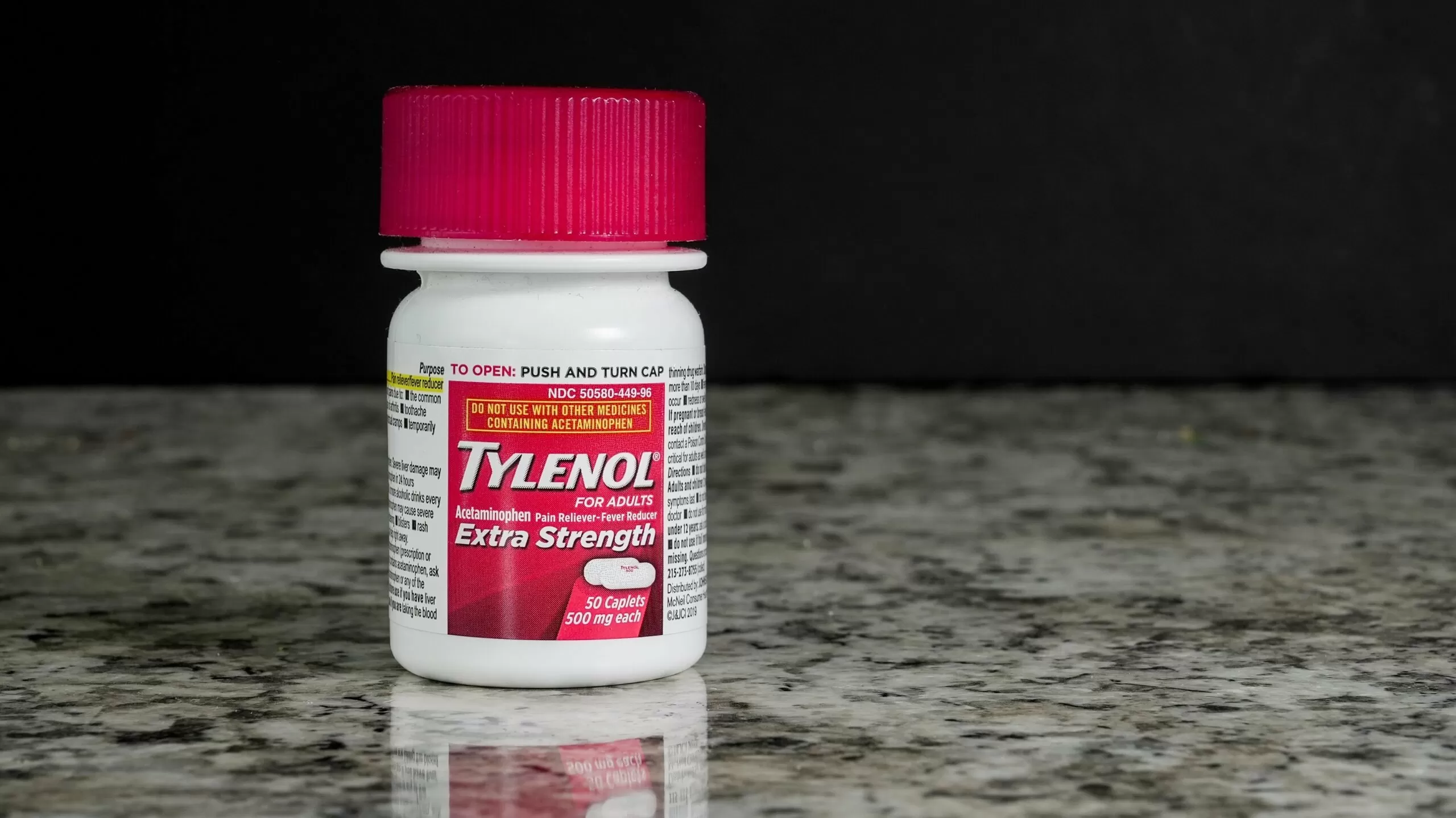
In recent years, there has been a growing concern about the potential link between the popular pain reliever Tylenol and autism. Health officials have issued warnings about the use of this medication, particularly during pregnancy, and the potential impact it may have on the development of autism in children. This has caused many parents to question the safety of this widely used drug and to seek out alternative options for pain relief. So, what exactly is the connection between Tylenol and autism and what should concerned parents know? Let’s take a closer look.
First, it’s important to understand what autism is. Autism, or autism spectrum disorder (ASD), is a developmental disorder that affects communication and behavior. It is a complex condition with a wide range of symptoms, including difficulty with social interactions, repetitive behaviors, and challenges with verbal and nonverbal communication. The exact cause of autism is still unknown, but research suggests that both genetic and environmental factors may play a role.
Now, let’s delve into the potential link between Tylenol and autism. The concern stems from a study published in the International Journal of Epidemiology in 2017, which found that children exposed to acetaminophen (the active ingredient in Tylenol) during pregnancy were at a higher risk of developing autism. The study analyzed data from over 2,000 mother-child pairs and found that children whose mothers took acetaminophen during pregnancy were 30% more likely to develop autism. This finding has sparked a debate among health officials and experts, with some questioning the validity of the study and others calling for further research.
So, what does this mean for expecting mothers? The study does not prove a direct cause-and-effect relationship between Tylenol and autism. It only suggests a potential association and more research is needed to fully understand the connection. However, it is important for pregnant women to be aware of the potential risks and to discuss them with their healthcare providers. Alternatives to Tylenol, such as ibuprofen, may be considered for pain relief during pregnancy.
But what about the use of Tylenol in children? The study did not find a direct link between the use of acetaminophen in children and the development of autism. However, it is worth noting that Tylenol is one of the most commonly used medications in children and it is important for parents to use it responsibly. Overdosing on Tylenol can cause liver damage and even death, and it is important to always follow the recommended dosage and consult a doctor if your child is experiencing frequent or severe pain.
In light of this study, the U.S. Food and Drug Administration (FDA) has issued a warning about the use of Tylenol during pregnancy and has urged healthcare providers to carefully consider the risks and benefits before prescribing it to pregnant women. The FDA also encourages pregnant women to consult with their doctors before taking any medication, including over-the-counter drugs like Tylenol.
It is also worth mentioning that this is not the first time Tylenol has faced safety concerns. In 2013, the FDA issued a warning about the potential for liver damage from high doses of acetaminophen. This prompted the manufacturer, Johnson & Johnson, to lower the maximum daily dose of Tylenol from 4,000 mg to 3,000 mg. This serves as a reminder that even seemingly harmless medications can have potential risks and it is important for consumers to be informed and cautious.
In conclusion, while the potential link between Tylenol and autism is concerning, it is not yet fully understood. More research is needed to determine the true impact of this widely used medication on the development of autism. In the meantime, it is important for expecting mothers to discuss the potential risks with their healthcare providers and to use Tylenol responsibly. As always, it is crucial to consult with a doctor before taking any medication, especially during pregnancy. Let’s stay informed and make informed decisions for the health and well-being of ourselves and our children.
