
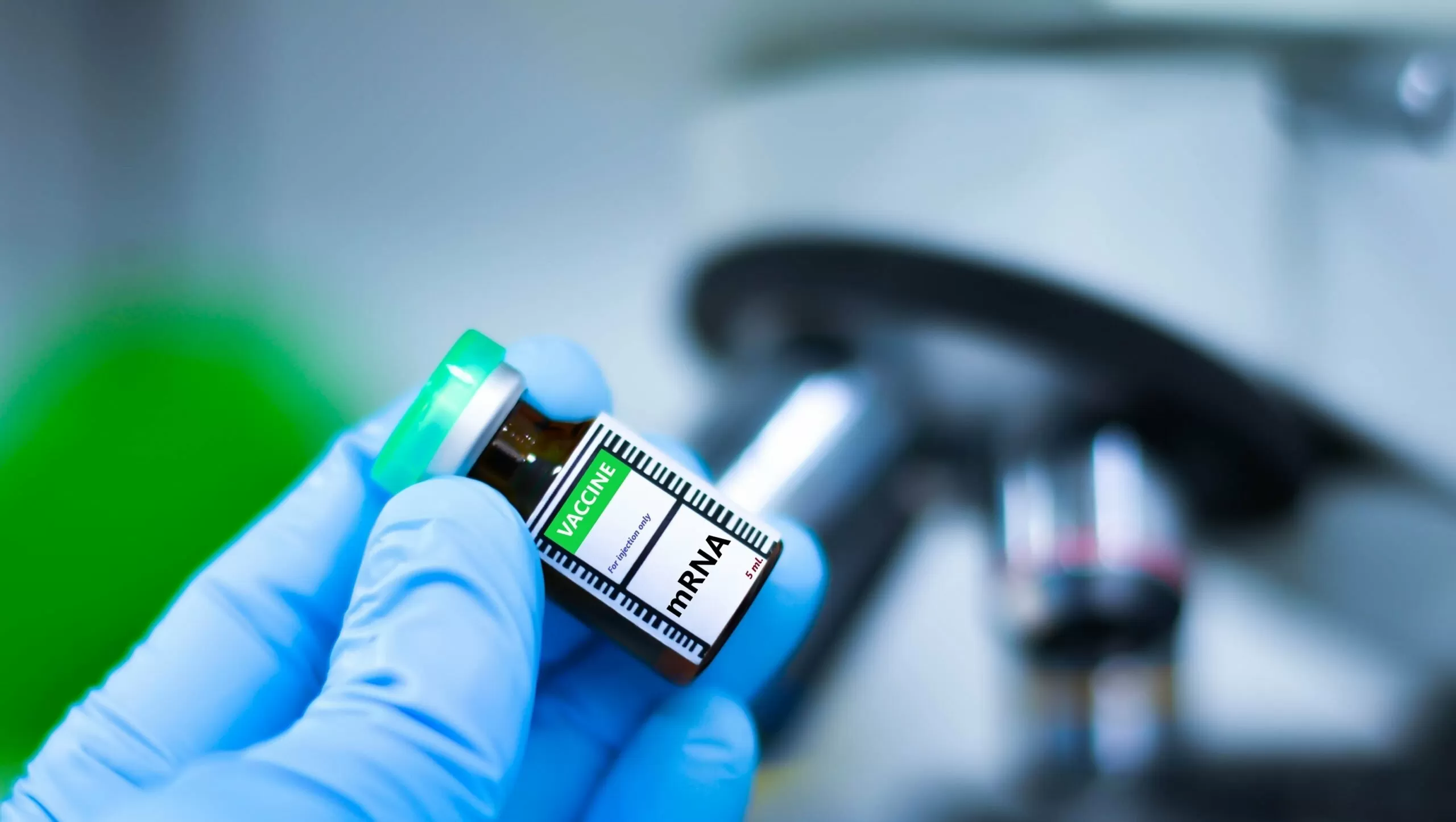
In recent years, there has been a growing debate surrounding the use of mRNA technology in vaccines. This debate has been further intensified by the recent decision of Robert F. Kennedy Jr. to cancel vaccine contracts due to concerns over the safety and efficacy of these vaccines. This move has once again put the spotlight on mRNA and its role in the future of vaccine development. So, what exactly is mRNA and what do we need to know about it? Here is a breakdown of the key points to help you better understand this important topic.
Firstly, let’s define what mRNA actually is. mRNA, or messenger RNA, is a molecule that carries genetic instructions from DNA to the cells’ protein-making machinery. Essentially, it acts as a messenger, delivering instructions to the cells on how to make specific proteins. This technology has been used in vaccines to trigger an immune response against certain diseases, such as COVID-19.
One of the primary advantages of using mRNA technology in vaccines is the speed at which new vaccines can be developed. Traditional methods of vaccine development can take years, but with mRNA technology, it can be done in a matter of weeks. This was evident in the development of the COVID-19 vaccines, which were created in record time due to the use of mRNA technology. This speed is crucial in the face of a pandemic where time is of the essence.
Another key benefit of mRNA vaccines is that they do not use live or inactivated viruses, making them potentially safer than traditional vaccines. This is because they only use a small part of the virus’s genetic code, rather than the whole virus. As a result, there is no risk of developing the actual disease from the vaccine. Additionally, mRNA vaccines do not contain adjuvants, which are added to some traditional vaccines to enhance the immune response. These adjuvants can sometimes cause side effects, making mRNA vaccines a safer option.
Furthermore, mRNA technology allows for a more targeted approach to vaccine development. Traditional vaccines work by introducing weakened or dead versions of a virus into the body to trigger an immune response. However, with mRNA vaccines, specific instructions can be given to the cells, telling them which part of the virus to target. This means that the immune response can be tailored to a specific part of the virus, making it more effective.
Despite these benefits, there have been concerns raised about the safety and long-term effects of mRNA vaccines. However, it is important to note that extensive clinical trials have been conducted, and the data shows that these vaccines are safe and effective. Additionally, mRNA technology has been studied for decades and has been used in the development of cancer treatments and other medicines. While there may be some unknowns, the technology itself is not new or untested.
The decision of Robert F. Kennedy Jr. to cancel vaccine contracts has brought attention to the potential influence of anti-vaccine activists and conspiracy theories. It is essential to approach this topic with caution and to rely on reliable, scientifically-backed information. The safety and efficacy of vaccines should not be undermined by fearmongering or misinformation.
In conclusion, while there may be some concerns and unknowns surrounding mRNA technology, it has proven to be a game-changer in the development of vaccines. Its speed, precision, and safety make it a promising method for future vaccine development. However, it is crucial to continue to monitor and study its long-term effects. As with any medical advancement, there will always be risks, but the benefits far outweigh them. Let us not lose sight of the fact that vaccines have saved countless lives and continue to be one of the most effective public health interventions. The use of mRNA technology in vaccines is just another step forward in this critical mission.
