
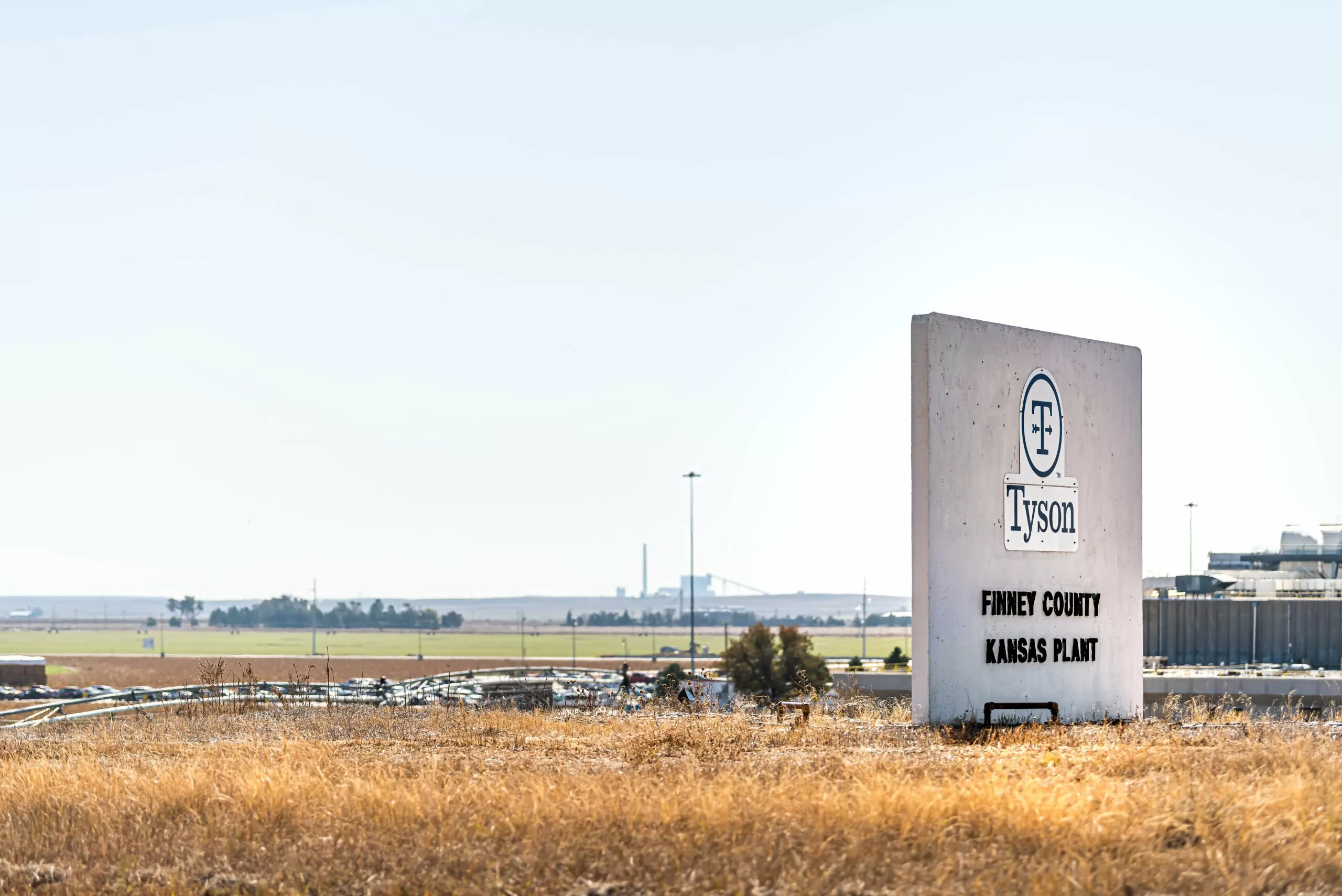
Tyson Foods, one of the largest food companies in the world, has recently announced its plan to phase out the use of high-fructose corn syrup (HFCS) in its products by the end of 2025. This decision has been met with praise and excitement from health-conscious consumers and experts alike.
HFCS is a highly processed sweetener that has been linked to various health issues, including obesity, diabetes, and heart disease. It is commonly used in processed foods and beverages as a cheaper alternative to sugar. However, in recent years, there has been a growing concern about the negative effects of HFCS on our health.
Tyson Foods’ decision to eliminate HFCS from its products is a significant step towards promoting healthier food choices. The company has recognized the importance of providing consumers with healthier options and has taken a bold move to make a positive impact on public health.
The decision to phase out HFCS is part of Tyson Foods’ commitment to continuously improve the nutritional value of its products. The company has been working towards reducing the use of HFCS in its products for several years now. In 2018, they announced a 15% reduction in the use of HFCS in their products, and this latest announcement takes their commitment even further.
This move by Tyson Foods is not only beneficial for consumers’ health but also for the environment. HFCS is derived from corn, which is often genetically modified and heavily sprayed with pesticides. By reducing the use of HFCS, Tyson Foods is also reducing the demand for genetically modified corn, which has a significant impact on the environment.
The decision to phase out HFCS is just one of the many steps Tyson Foods is taking to promote sustainability and responsible sourcing. The company has also committed to sourcing 100% of its chicken, beef, and pork from farmers who use responsible practices by 2025. This includes reducing the use of antibiotics and implementing animal welfare standards.
Tyson Foods’ CEO, Noel White, stated, “We believe that a healthier future for all starts with the food we eat. That’s why we are committed to making our products more nutritious and sustainable for our consumers and the planet.” This statement reflects the company’s dedication to providing consumers with healthier and more sustainable food options.
The decision to phase out HFCS is not without its challenges. HFCS is a widely used ingredient in the food industry, and finding suitable alternatives may not be easy. However, Tyson Foods is determined to find healthier and more natural alternatives to HFCS without compromising the taste and quality of their products.
This move by Tyson Foods is also a reflection of the changing consumer preferences. With more people becoming health-conscious and demanding transparency in food labeling, companies like Tyson Foods are taking notice and adapting to meet the needs of their consumers.
The announcement by Tyson Foods has been met with positive reactions from health experts and organizations. The American Heart Association has praised the company’s decision, stating that it is a step in the right direction towards reducing the consumption of added sugars in our diets.
In conclusion, Tyson Foods’ decision to phase out HFCS from its products by the end of 2025 is a significant step towards promoting healthier food choices and a more sustainable future. This move not only benefits consumers’ health but also the environment. It is a clear indication of the company’s commitment to providing consumers with nutritious and responsibly sourced products. Let us hope that other food companies will follow in Tyson Foods’ footsteps and prioritize the health and well-being of their consumers.
