
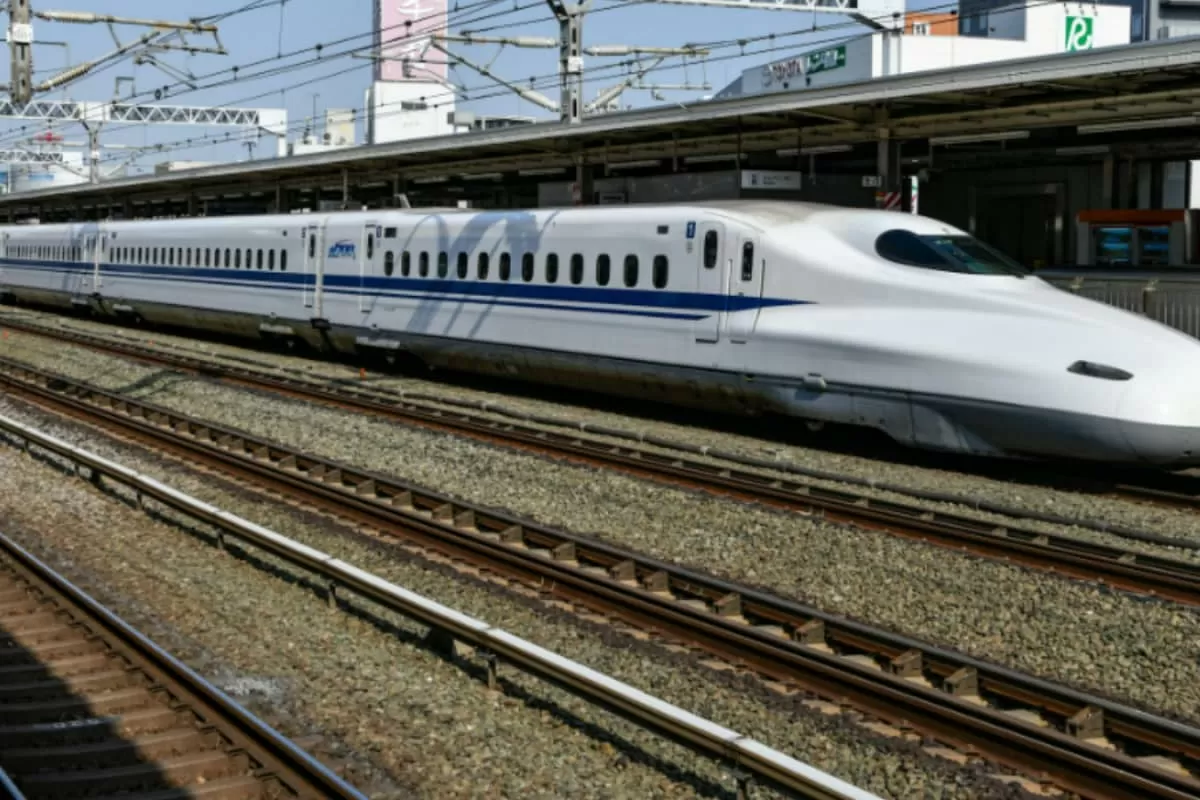
India is all set to enter a new era of transportation with the introduction of its first Bullet train corridor. This ambitious project, made with the advanced Shinkansen Technology, is expected to revolutionize the way people travel in the country. The Bullet train corridor will not only establish new standards for speed, but also for safety and reliability.
The concept of a high-speed Bullet train was first introduced by the Japanese in the 1960s. It quickly gained popularity due to its remarkable speed and efficiency. Today, Japan boasts of a well-established network of Bullet trains, known as the Shinkansen, which connect major cities and have an impeccable safety record. It is this same technology that India has chosen to adopt for its first Bullet train corridor.
The Bullet train corridor, which will run between Mumbai and Ahmedabad, is a joint venture between India and Japan. The project was announced in 2017 and is estimated to cost around Rs. 1.08 trillion. The 508-kilometer long corridor will reduce travel time between the two cities from the current 8 hours to just 2 hours. This will not only save time but also boost economic growth and development in the region.
One of the key features of the Bullet train corridor is its speed. The trains are expected to run at a maximum speed of 320 km/h, making it the fastest mode of transportation in the country. This will not only provide a thrilling experience for passengers but also make long-distance travel more convenient and time-efficient.
Apart from speed, the Shinkansen Technology is also known for its impeccable safety record. The trains are equipped with state-of-the-art safety features, including an automatic train control system, which ensures that the train maintains a safe distance from other trains and stops in case of an emergency. The tracks are also designed to withstand earthquakes and typhoons, making the Bullet train corridor a safe and reliable mode of transportation.
The introduction of the Bullet train corridor will also have a positive impact on the environment. The trains will run on electricity, which is a cleaner source of energy compared to fossil fuels. This will help reduce air pollution and contribute to the government’s efforts towards a greener and more sustainable future.
The Bullet train corridor is not just a transportation project, but it is also a symbol of India’s progress and development. It is a testament to the country’s determination to embrace new technologies and improve the lives of its citizens. The project is expected to create job opportunities and boost the economy, making India a global leader in high-speed rail technology.
Moreover, the Bullet train corridor is also a reflection of the strong ties between India and Japan. The two countries have a long-standing relationship, and this project is a testament to their cooperation and mutual trust. The Shinkansen Technology, which has been perfected by Japan over the years, will now be shared with India, marking a new chapter in their partnership.
The Bullet train corridor is not just a means of transportation, but it is a symbol of progress, innovation, and modernization. It will not only improve connectivity between two major cities but also pave the way for the development of other high-speed rail projects in the country. It will also encourage people to choose trains over other modes of transportation, reducing the burden on roads and airports.
In conclusion, India’s first Bullet train corridor, made with the Shinkansen Technology, is a game-changer in the country’s transportation sector. It will establish new standards for speed, safety, and reliability, setting an example for other countries to follow. The project is a testament to India’s determination to embrace new technologies and its commitment towards a better and brighter future. With the introduction of the Bullet train corridor, India is all set to enter a new era of progress and development.
