
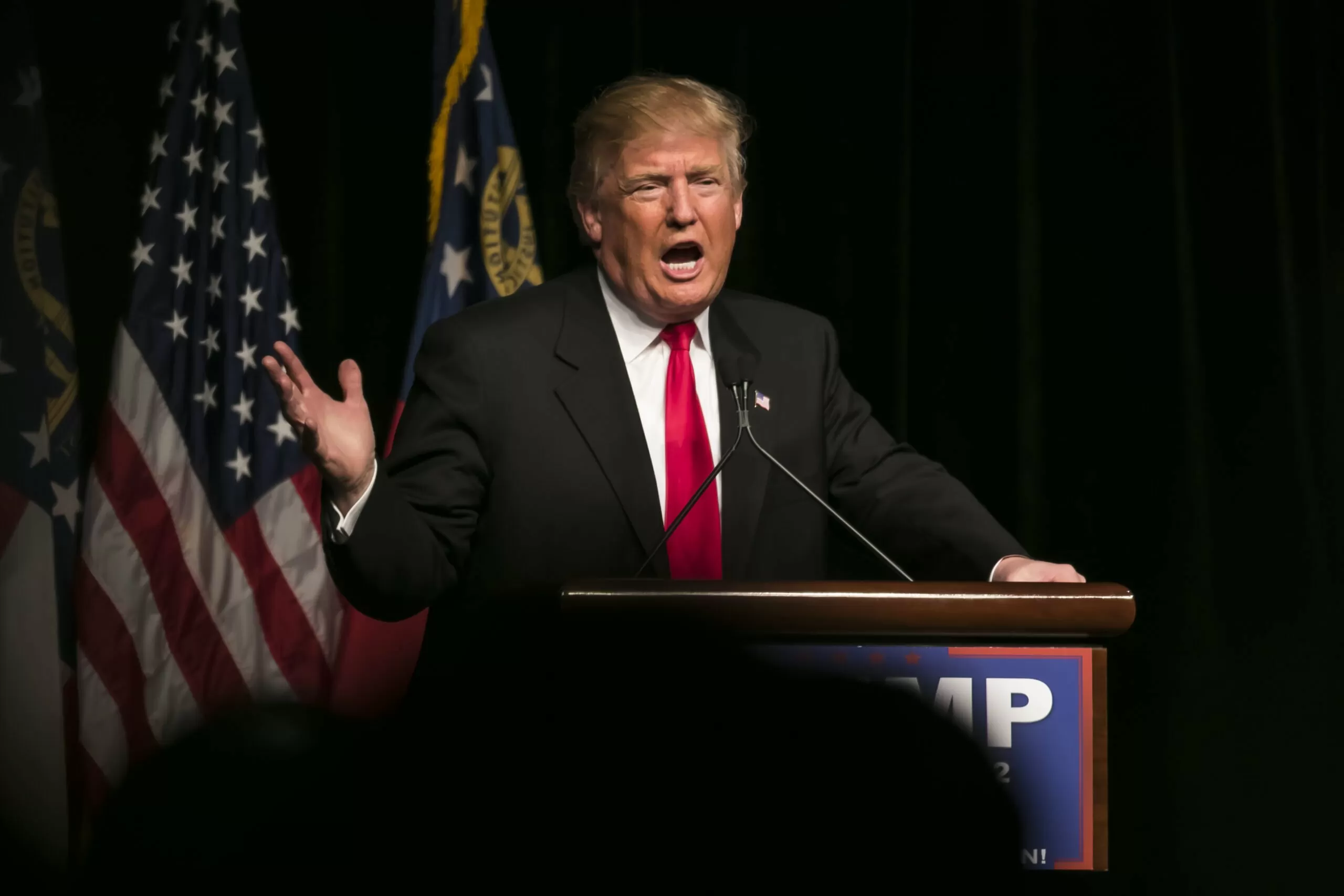
In a move that has sent shockwaves through the financial world, President Donald Trump has threatened to allow a “major lawsuit” against Federal Reserve Chair Jerome Powell over the central bank’s recent renovation plans. This surprising statement has left many wondering about the potential implications for the economy and the relationship between the President and the Fed.
The controversy began when the Federal Reserve announced plans to renovate its headquarters in Washington, D.C. The project, which is estimated to cost around $3 billion, has been met with criticism from both sides of the political spectrum. However, it was President Trump’s response that has garnered the most attention.
In a recent interview, President Trump stated that he was “not happy” with the Federal Reserve’s decision to move forward with the renovation plans. He went on to say that he was considering allowing a “major lawsuit” against Powell and the Fed in order to stop the project.
This threat from the President has raised concerns about the independence of the Federal Reserve and its ability to make decisions without political interference. The central bank is meant to operate independently from the government in order to maintain stability and confidence in the economy. However, this recent statement from President Trump has called that independence into question.
It is important to note that the Federal Reserve is not funded by taxpayer money, but rather through its own profits and interest on government securities. This means that the renovation project would not directly impact the budget or taxpayers. In fact, the Federal Reserve has stated that the renovation is necessary in order to modernize and secure its aging building.
Despite this, President Trump has continued to criticize the project, stating that the money could be better spent on other priorities, such as infrastructure or the military. He has also accused the Federal Reserve of wasting money and not being transparent about the project.
However, others have come to the defense of the Federal Reserve and its decision to renovate its headquarters. Some argue that the project is necessary in order to maintain the security and functionality of the building, which is home to important financial operations. Additionally, the renovation is expected to create thousands of jobs and bring in millions of dollars in economic activity to the D.C. area.
Furthermore, the Federal Reserve has stated that the renovation plans have been in the works for years and were approved by the previous administration. This raises questions about the timing of President Trump’s threat and whether it is politically motivated.
Regardless of the motivations behind the President’s statement, the potential for a “major lawsuit” against the Federal Reserve is concerning. It could set a dangerous precedent for future presidents to interfere with the central bank’s decisions, which could have serious consequences for the economy.
In response to the controversy, Powell has stated that he will continue to focus on the Federal Reserve’s mandate of maintaining stable prices and maximum employment, and will not be distracted by political pressure. This reaffirms the Fed’s commitment to its independence and its responsibility to make decisions based on economic data and analysis, rather than political agendas.
In conclusion, President Trump’s threat to allow a “major lawsuit” against the Federal Reserve over its renovation plans has raised concerns about the independence of the central bank and its ability to make decisions without political interference. While there may be valid criticisms of the project, it is important to remember the Federal Reserve’s role in maintaining a stable economy and the potential consequences of political interference. Let us hope that this controversy will not damage the relationship between the President and the Fed, and that both parties can work together to ensure the continued success of the economy.
