
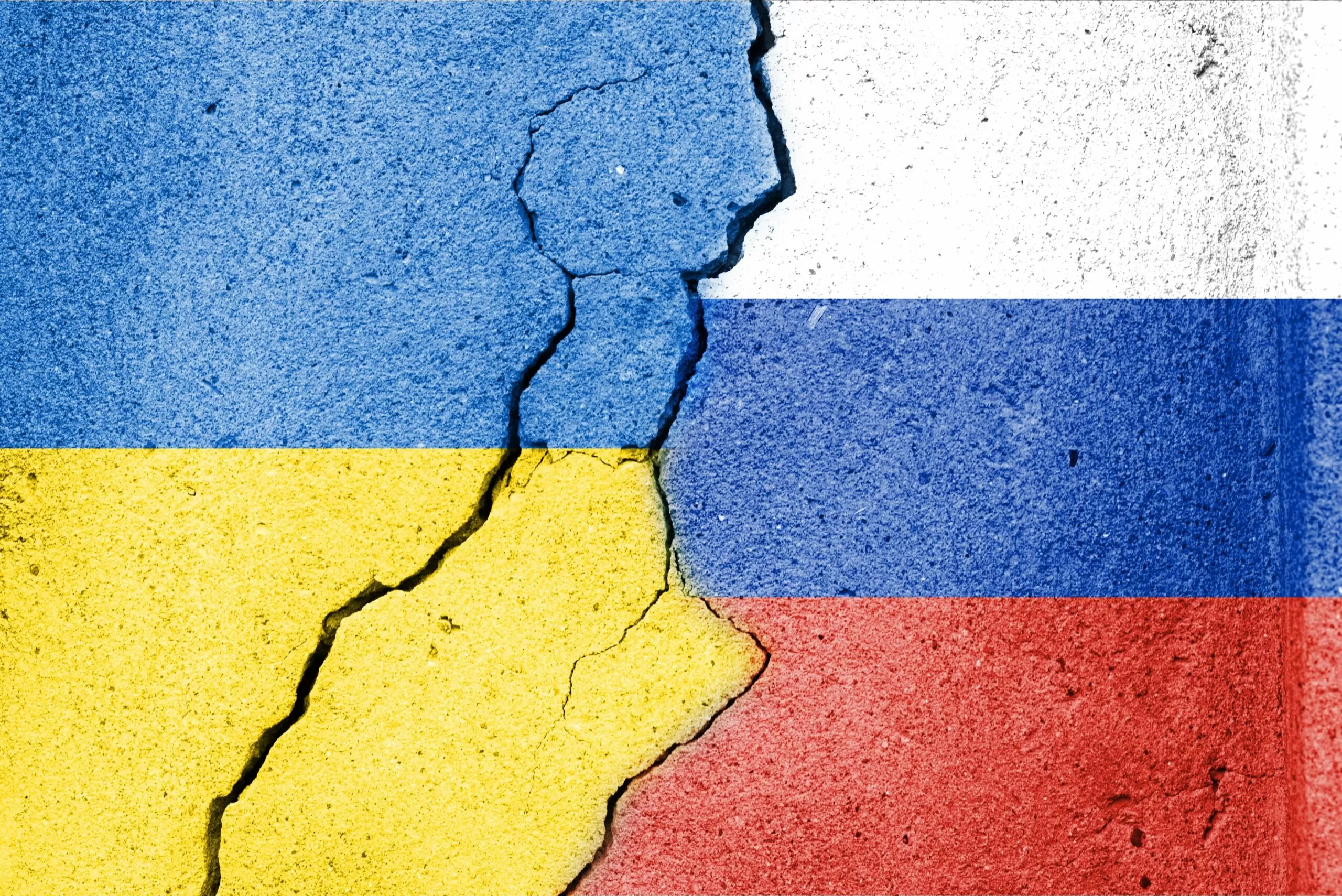
The ‘Russiagate’ hoax has been a major topic of discussion in the political landscape over the past few years. It has been the subject of numerous investigations, debates, and news headlines. However, what many fail to realize is the impact that this hoax has had on international relations, specifically in the ongoing war in Ukraine.
The conflict in Ukraine began in 2014, when pro-Russian forces annexed Crimea from Ukraine, sparking a war between the Ukrainian government and separatist groups in eastern Ukraine. This conflict soon became known as a ‘proxy war’ between Russia and the United States, with each country supporting different sides in the conflict.
But what does this have to do with the ‘Russiagate’ hoax? Well, as it turns out, a lot.
The ‘Russiagate’ hoax was based on the false allegations that the Trump campaign colluded with Russia in the 2016 US presidential election. These allegations were fueled by the infamous Steele dossier, which was funded by the Democratic National Committee and the Hillary Clinton campaign. The media, along with certain politicians, ran with these allegations and used them to push their own agendas.
One of the main goals of this hoax was to undermine the legitimacy of President Trump’s election and his administration. And in doing so, it also created a false narrative that Russia was a threat to the United States’ democracy and security. This ultimately led to increased tensions between the two countries and the imposition of sanctions on Russia.
But the impact of the ‘Russiagate’ hoax was not limited to just the US-Russia relationship. It also had a significant effect on the ongoing war in Ukraine. The false narrative of Russia as an aggressor and a threat to the US led to increased military and financial support for Ukraine from the US and its allies. This, in turn, emboldened the Ukrainian government to take a more aggressive stance towards the separatists, leading to an escalation of the conflict.
Furthermore, the ‘Russiagate’ hoax also diverted attention and resources away from resolving the conflict in Ukraine. Instead of focusing on finding a diplomatic solution, the US was consumed with the investigation into the alleged collusion. This delay in addressing the conflict only allowed it to continue and escalate, causing more suffering and casualties for the people of Ukraine.
It is also worth noting that the ‘Russiagate’ hoax has been debunked by the Mueller report and other investigations. Yet, the damage has already been done. The false narrative of Russian interference and aggression in the US has not only strained US-Russia relations, but it has also had a direct impact on the conflict in Ukraine.
In recent news, President Trump himself has acknowledged the role of the ‘Russiagate’ hoax in fueling the war in Ukraine. In an interview with The Epoch Times, Trump stated, “It was a hoax. And it was a total disgrace that it could happen. And it really hurt our country.” He also emphasized that the hoax has led to a ‘proxy war’ with Russia in Ukraine.
It is time for the US to acknowledge the negative consequences of the ‘Russiagate’ hoax and take steps towards repairing the damage that has been done. The ongoing conflict in Ukraine is a direct result of this hoax and it is the people of Ukraine who are suffering the most.
It is also important for the media and politicians to learn from this experience and be more responsible in their reporting and actions. False narratives and baseless accusations can have real-life consequences, and in this case, it has led to a prolonged and bloody conflict.
In conclusion, the ‘Russiagate’ hoax has not only caused turmoil and division within the US, but it has also had a significant impact on international relations and conflicts. The war in Ukraine is a prime example of how a false narrative can have real-life consequences. It is time for the US to move past this hoax and work towards finding a peaceful resolution to the conflict in Ukraine, and also towards rebuilding its relationship with Russia.
