
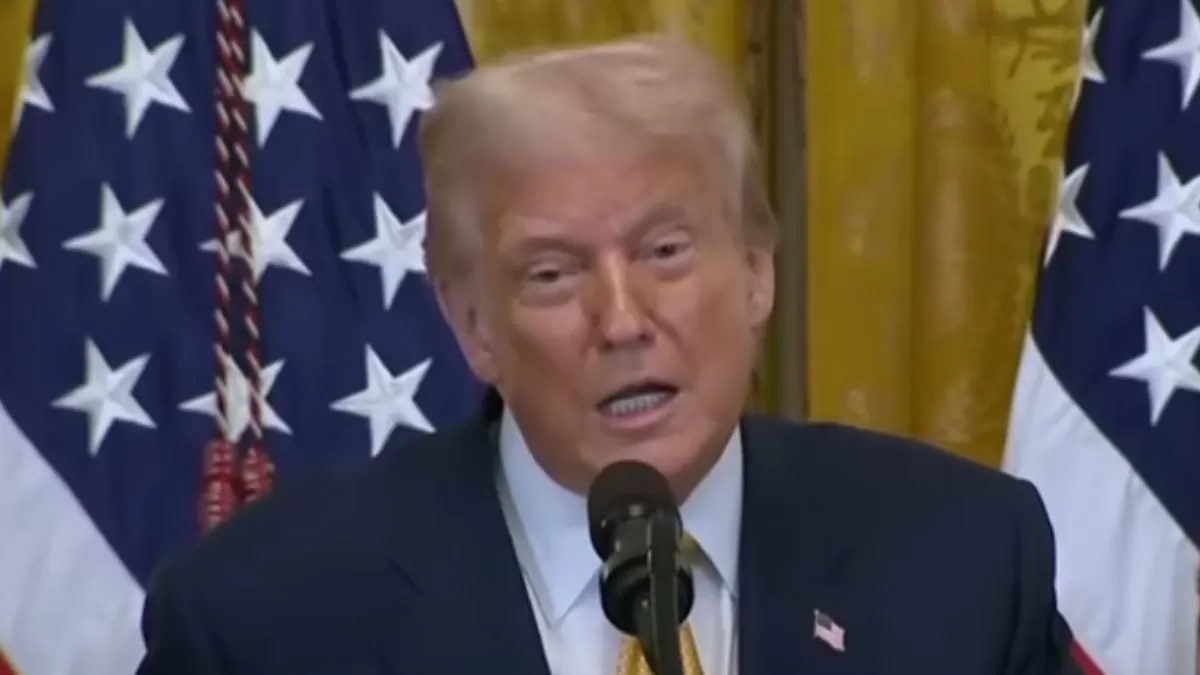
The U.S. Department of Education has recently announced a pause on student loan forgiveness, leaving many students and graduates in a state of uncertainty. This decision, made by the Trump administration, has caused a lot of concern and confusion among those who were counting on this program to alleviate their financial burden. While there is no clear timeline of when this program will resume, it is important to understand the reasons behind this pause and the potential impact it may have on students.
The student loan forgiveness program was first introduced in 2007, with the aim of providing relief to students who were struggling to repay their loans. Under this program, students who met certain eligibility criteria could have a portion of their federal student loans forgiven. This was seen as a lifeline for many students who were facing overwhelming debt and struggling to make ends meet.
However, the Trump administration has decided to put a halt on this program, leaving many students in limbo. The decision has been met with a lot of criticism, with many questioning the motives behind it. Some have even accused the administration of neglecting the needs of students and prioritizing other agendas. But before jumping to conclusions, it is important to understand the reasons behind this pause.
The main reason cited by the Department of Education for this pause is the high cost of the program. According to reports, the program has already cost the government billions of dollars and is projected to cost even more in the coming years. This has raised concerns about the sustainability of the program and the impact it may have on the federal budget. The administration believes that this pause will give them time to evaluate the program and come up with a more cost-effective solution.
While this may seem like a setback for students, it is important to note that the pause is not permanent. The Department of Education has stated that they are committed to finding a long-term solution that will benefit both students and the government. This shows that the administration is taking a responsible approach and is not simply abandoning the program without a plan.
Moreover, this pause does not affect the loan forgiveness program for public service employees. This program, which was introduced in 2007, allows those working in public service to have their loans forgiven after 10 years of service. This program is still in effect and provides relief to those who have dedicated their careers to serving their communities.
It is also important to note that the pause on student loan forgiveness does not mean that students are left with no options. There are still various repayment plans available, such as income-driven repayment plans, which can help students manage their loan payments based on their income. Students can also explore options for loan consolidation and refinancing, which can potentially lower their interest rates and make their payments more manageable.
While the pause on student loan forgiveness may cause some inconvenience, it is important to look at the bigger picture. The government is taking steps to ensure the sustainability of the program, which will ultimately benefit students in the long run. This pause also gives students the opportunity to explore other options and take control of their finances.
In conclusion, the pause on student loan forgiveness by the Trump administration may have caused some concern, but it is important to understand the reasons behind it. The government is taking a responsible approach to evaluate the program and find a more sustainable solution. In the meantime, students can still explore other options and take control of their loan payments. Let us remain positive and trust that the government will come up with a solution that benefits both students and the federal budget.
