
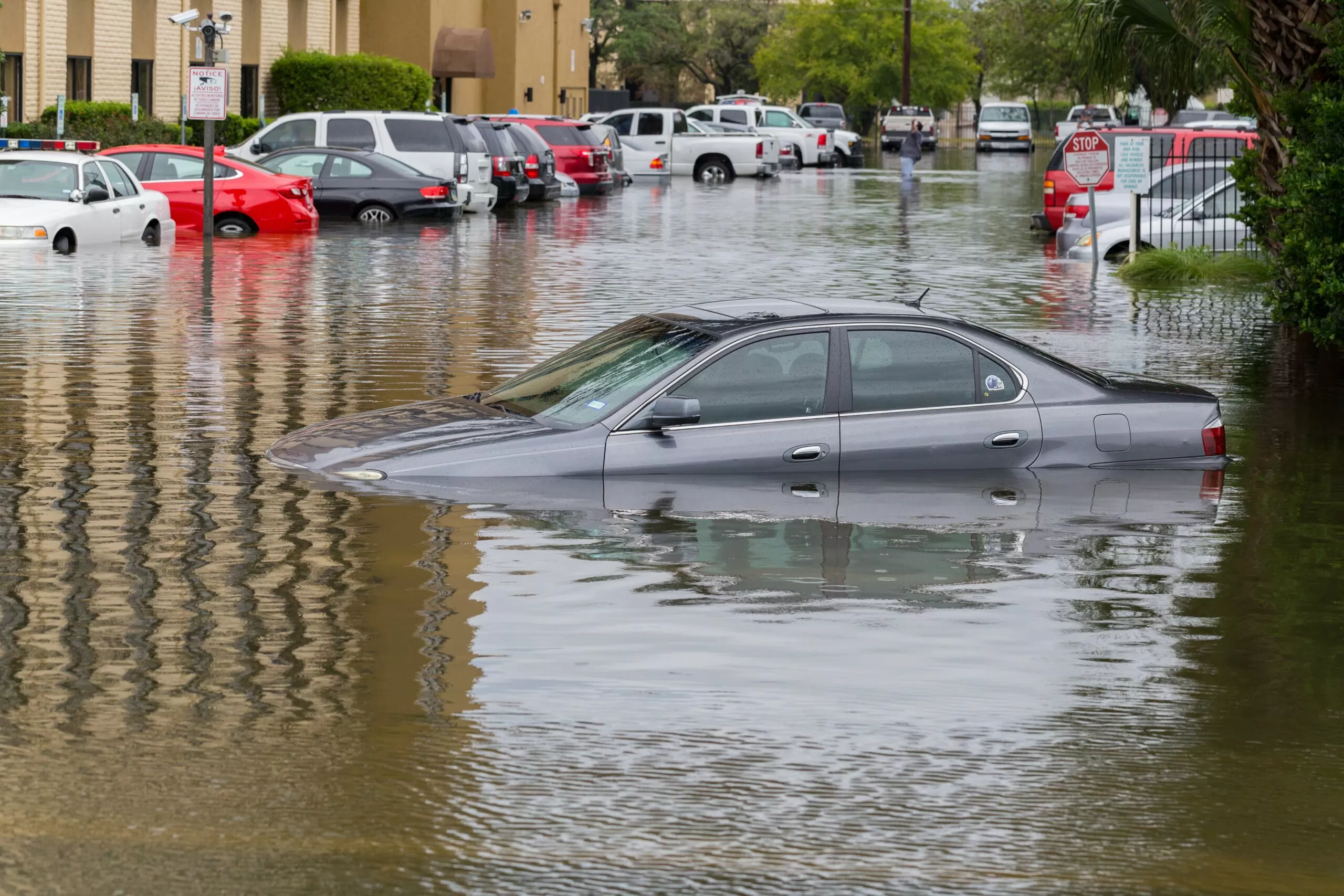
Australia is a beautiful country, known for its stunning landscapes and diverse wildlife. However, in recent years, it has also gained a reputation for experiencing extreme weather events, which have caused significant damage and financial losses. According to a recent report by The Epoch Times, Australia has seen insured losses of a staggering $1.8 billion due to these extreme weather events. This is a concerning trend that needs to be addressed urgently.
The extreme weather conditions in Australia have been on the rise in recent years. This can be attributed to a number of factors, including climate change, natural variability, and human-induced activities. From scorching heatwaves to severe droughts, the country has been facing a series of extreme weather events that have taken a toll on its economy and its people.
One of the major contributors to these insured losses is the increasing frequency and intensity of natural disasters, such as floods, cyclones, and bushfires. The insurance industry has been heavily impacted by these events, with thousands of claims being filed every year. This not only affects the insurance companies but also puts a strain on the overall economy of the country.
The devastating effects of these extreme weather events are not limited to financial losses. They also have a significant impact on the mental and physical well-being of the affected communities. The fear and anxiety caused by these events can take a toll on the mental health of individuals, while the physical damage to homes and properties can leave people struggling to cope with the aftermath.
The Australian government has taken steps to mitigate the impact of extreme weather events by investing in disaster management and preparedness. However, it is clear that more needs to be done to address the root causes of these events. Climate change is a global issue, and it requires a collective effort from all countries to combat its effects.
The good news is that Australia has already taken significant steps towards reducing its carbon footprint. The country has set a target to reduce its emissions by 26-28% by 2030, and it has been making steady progress towards achieving this goal. Australia is also investing in renewable energy sources and has plans to phase out coal-fired power plants in the coming years. These efforts will not only help in reducing the impact of climate change but also create new job opportunities and boost the economy.
Another positive development is the increasing awareness and participation of the Australian public in environmental causes. People are becoming more conscious of their carbon footprint and are making changes in their lifestyle to reduce their impact on the environment. This includes using public transport, recycling, and adopting sustainable practices in their daily lives.
Despite the challenges posed by extreme weather events, Australia remains a resilient nation. The country has a strong economy, and its people have shown remarkable strength and unity in the face of adversity. The insurance industry has also been quick to respond to the needs of the affected communities, providing financial support and helping them get back on their feet.
In conclusion, Australia’s extreme weather events have caused significant insured losses of $1.8 billion, which is a cause for concern. However, the country has taken steps to address these challenges and is making progress towards reducing its carbon footprint. The government, along with the support of the public, needs to continue its efforts to combat climate change and mitigate the impact of extreme weather events. Australia is a resilient nation, and with its determination and strong sense of community, it will overcome these challenges and emerge even stronger.
