
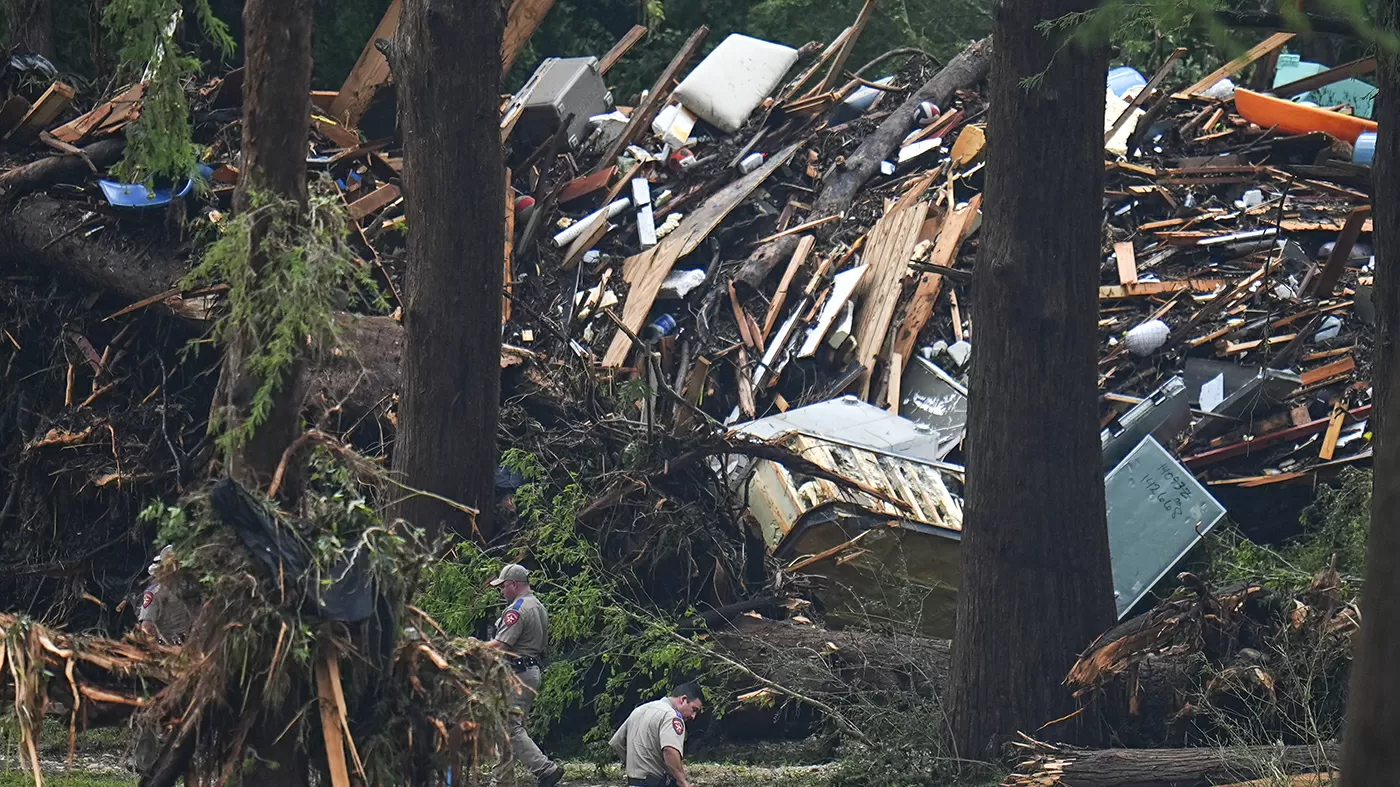
The recent floods in Texas have left a devastating impact on the state, claiming lives and causing widespread destruction. As the affected communities try to pick up the pieces and rebuild their lives, the focus has now shifted to the role of the federal government in preventing and mitigating the effects of such natural disasters.
The weekend’s fatal floods have sparked immediate clashes in Congress, with Democrats raising concerns about the Trump administration’s cuts to the National Weather Service (NWS). The NWS is responsible for providing accurate weather forecasts and warnings, which are crucial in preparing for and responding to natural disasters.
At a time when climate change is causing more frequent and severe weather events, the need for a well-funded and efficient NWS cannot be overstated. However, the Trump administration has repeatedly proposed budget cuts to the agency, which have been met with strong opposition from Democrats and experts alike.
The consequences of these cuts have now become painfully clear in the wake of the Texas floods. The NWS had issued severe weather warnings, but with limited resources and staff, they were unable to provide timely and detailed information to the affected areas. This has raised questions about whether the outcome could have been different if the NWS had the necessary resources to fully carry out its duties.
The Democrats are not alone in their criticism of the Trump administration’s handling of natural disasters. Republican Senator John Cornyn of Texas has also expressed his concerns, stating that the state’s flood control infrastructure has been underfunded for years. He has called for a bipartisan effort to address this issue and ensure that communities are better prepared for future disasters.
The clashes in Congress over the federal government’s role in disaster prevention and response highlight the need for a united and proactive approach. Natural disasters do not discriminate based on political affiliations, and it is the responsibility of the government to protect its citizens and minimize the human toll of such events.
The federal government plays a crucial role in disaster management, providing resources and support to affected communities. It is also responsible for investing in infrastructure and disaster preparedness measures to mitigate the impact of natural disasters. However, this requires adequate funding and a commitment to addressing the root causes of these disasters, such as climate change.
As we mourn the lives lost in the Texas floods, we must also reflect on how we can prevent such tragedies from occurring in the future. This includes holding our government accountable for its actions and advocating for policies that prioritize the safety and well-being of all citizens.
In the face of adversity, we have seen communities come together to support and help each other. This spirit of unity and resilience must also be reflected in our government’s response to natural disasters. We cannot afford to play politics when people’s lives are at stake.
It is time for our leaders to put aside their differences and work towards a common goal – protecting our communities from the devastating effects of natural disasters. This means investing in our weather forecasting and disaster management systems, and taking proactive measures to address the root causes of these disasters.
As we move forward from the Texas floods, let us remember the importance of a well-funded and efficient National Weather Service. Let us also hold our elected officials accountable for their actions and demand that they prioritize the safety and well-being of all Americans. Together, we can build a more resilient and prepared nation for the future.
