
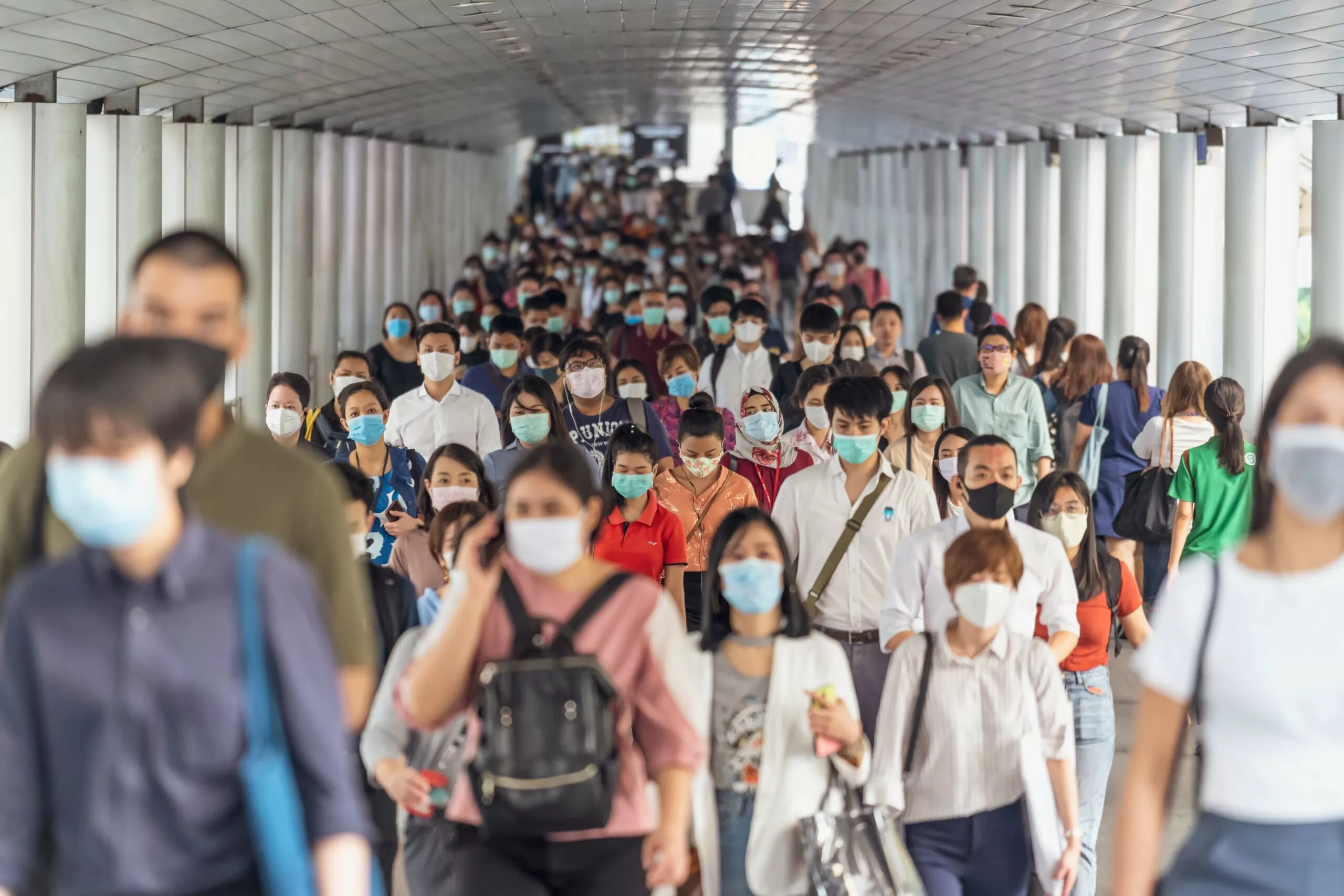
The COVID-19 pandemic has been a global crisis that has affected every corner of the world. While many countries have been able to control the spread of the virus, others continue to struggle. China, the country where the virus originated, has been facing its own challenges in containing the virus. In May, the country saw a significant increase in COVID-19 infections, with a staggering 160 percent jump. This alarming rise in cases has raised concerns not only in China but also around the world.
According to the latest data from the Chinese government, the country reported over 30,000 new COVID-19 cases in May, a sharp increase from the previous month. This sudden surge in infections has been attributed to the spread of the highly contagious Delta variant, which was first identified in India. The Delta variant has been found to be more transmissible and has caused a surge in cases in many countries.
The rise in COVID-19 infections in China has been a cause for concern, especially since the country had been successful in controlling the virus in the early stages of the pandemic. The Chinese government had implemented strict measures, including lockdowns and mass testing, to contain the spread of the virus. However, the recent surge in cases has shown that the virus is still a threat and requires continued vigilance.
The increase in COVID-19 infections in China has also raised questions about the effectiveness of the country’s vaccination program. China has been one of the leading countries in terms of COVID-19 vaccine production and distribution. However, the recent surge in cases has shown that the vaccines may not be as effective against the Delta variant. This has prompted the Chinese government to ramp up its vaccination efforts and develop new vaccines that can provide better protection against the variant.
The rise in COVID-19 infections in China has also had an impact on the country’s economy. With the increase in cases, many cities have once again implemented strict lockdown measures, affecting businesses and livelihoods. This has caused concerns about the country’s economic recovery, which had been showing promising signs in the previous months.
Despite the challenges, the Chinese government has been taking swift action to contain the spread of the virus. Mass testing and contact tracing have been ramped up, and strict lockdown measures have been implemented in affected areas. The government has also urged citizens to continue following safety protocols, such as wearing masks and practicing social distancing.
The recent surge in COVID-19 infections in China serves as a reminder that the pandemic is far from over. It is a global issue that requires cooperation and vigilance from all countries. As the world continues to battle the virus, it is crucial for countries to share information and work together to find solutions.
In conclusion, the 160 percent increase in COVID-19 infections in China in May is a cause for concern, but it also serves as a wake-up call for the country and the rest of the world. The Chinese government has taken swift action to contain the spread of the virus, and it is crucial for citizens to continue following safety protocols. With continued efforts and cooperation, we can overcome this global crisis and emerge stronger.
