
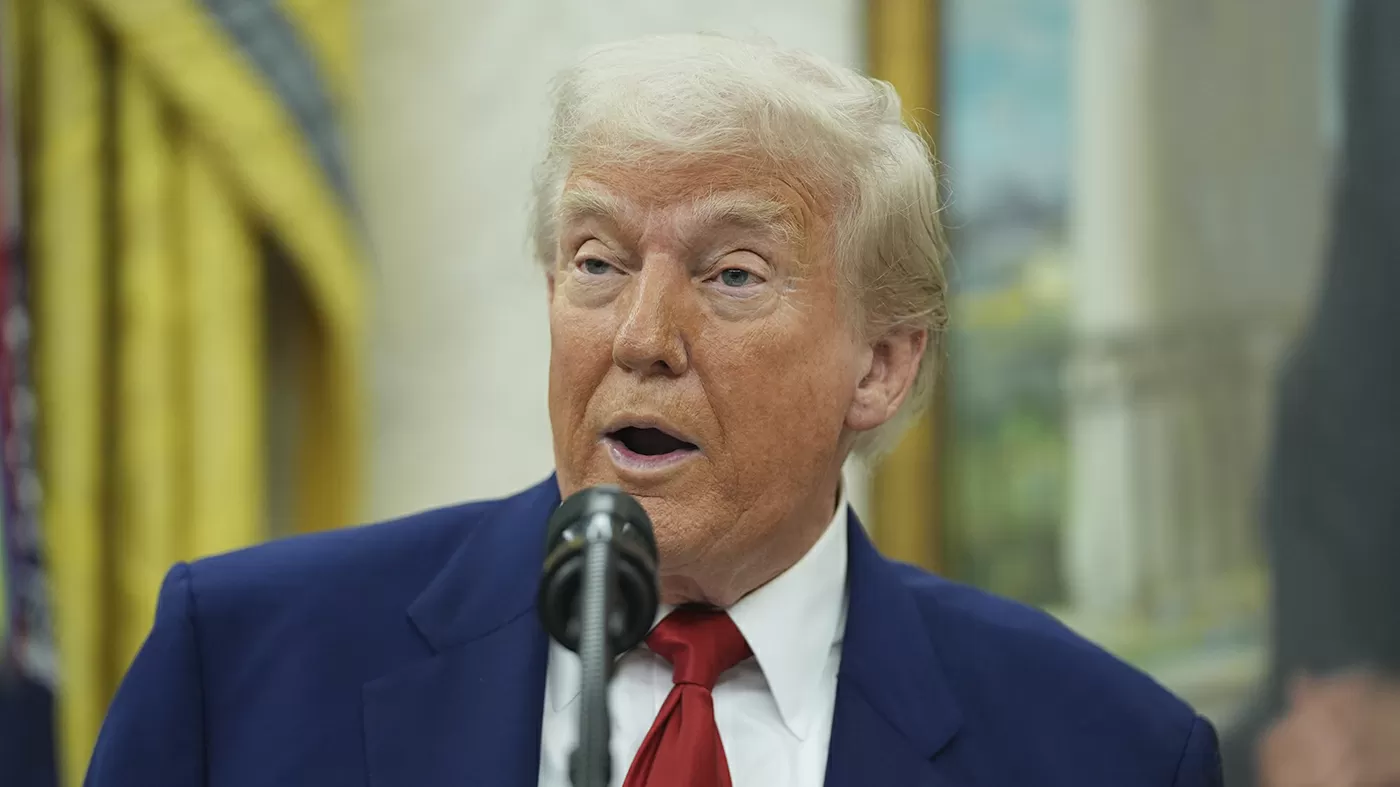
The White House has taken a bold step towards ensuring government efficiency by sending a request to Congress to claw back $9.4 billion in funding for foreign aid and public broadcasting. Spearheaded by the Department of Government Efficiency (DOGE), this move has been long-awaited by conservative activists who have been clamoring for such action.
This request marks a significant milestone in the efforts to streamline government spending and prioritize the needs of the American people. With the current economic climate and the growing national debt, it is imperative that every dollar is spent wisely and in the best interest of the American taxpayers.
The decision to cut funding for foreign aid and public broadcasting is not one that was taken lightly. The DOGE has carefully evaluated the impact of these programs and has identified areas where funds can be better utilized to benefit the American people. This move is in line with the administration’s commitment to put America first and to focus on domestic issues.
Foreign aid, while well-intentioned, has often been criticized for not achieving its intended goals and for being misused by corrupt governments. By clawing back $9.4 billion in funding, the White House is sending a strong message that American taxpayer money should not be squandered on ineffective foreign aid programs. This decision also aligns with the belief that America should not be the world’s policeman and that other countries should take responsibility for their own development.
Similarly, public broadcasting has been a contentious issue, with many arguing that it is not the government’s role to fund media outlets. The DOGE has recognized the need for fiscal responsibility and has identified public broadcasting as an area where cuts can be made without compromising the free flow of information. This move is not a reflection of the value of public broadcasting, but rather a recognition that in times of economic strain, tough decisions need to be made.
It is important to note that this request to claw back funds does not mean a complete elimination of foreign aid and public broadcasting. The DOGE has carefully evaluated each program and has identified areas where funds can be reallocated to more pressing domestic issues. This approach ensures that critical programs are not completely defunded, but rather that funds are utilized in the most effective manner possible.
The White House’s request has received overwhelming support from conservative activists who have long advocated for government efficiency and fiscal responsibility. This move is a testament to the administration’s commitment to delivering on its promises and to putting the needs of the American people first.
In conclusion, the White House’s request to claw back $9.4 billion in funding for foreign aid and public broadcasting is a significant step towards achieving government efficiency and prioritizing the needs of the American people. This decision reflects the administration’s commitment to fiscal responsibility and to making tough decisions for the betterment of the country. Let us hope that Congress will support this request and work together towards a more efficient and responsible government.
