
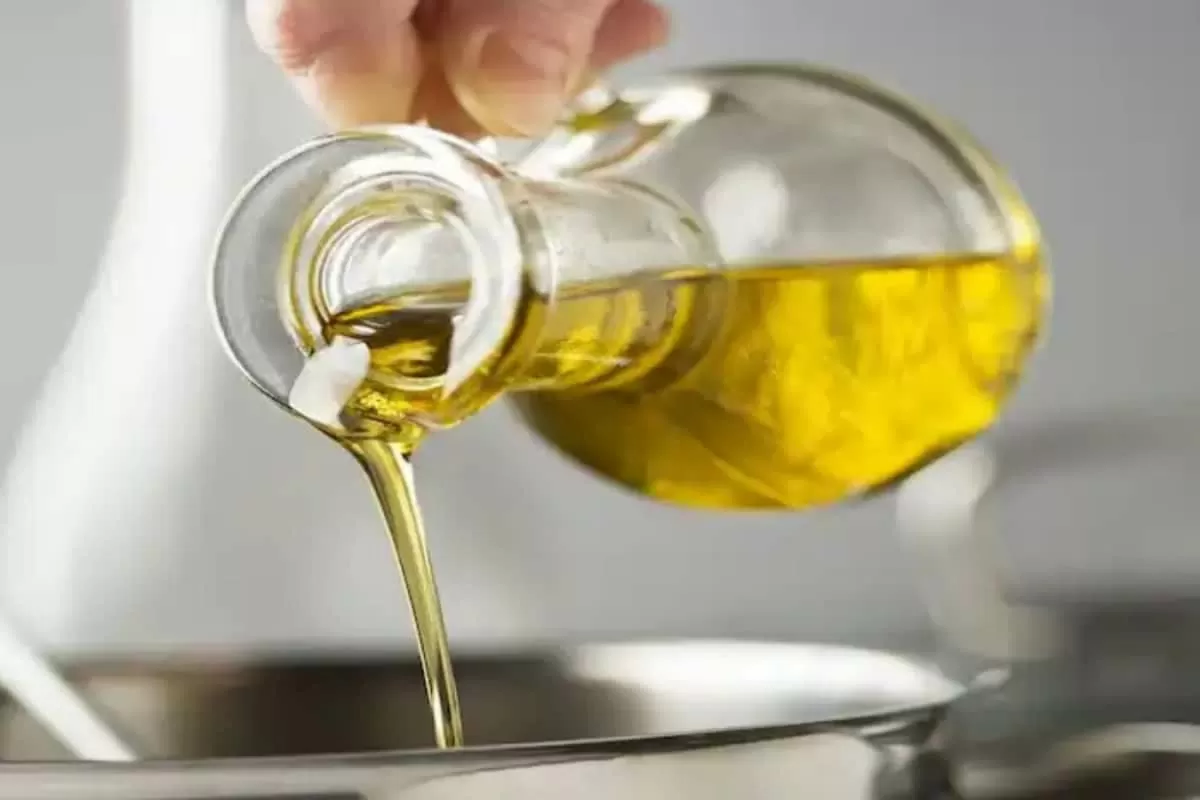
5 Cooking Oils That Could Harm Your Heart
We all know that a healthy heart is crucial for a long and happy life. That’s why we try to eat a balanced diet and exercise regularly. But did you know that the cooking oils you use can also have an impact on your heart health? While some oils are known for their heart-healthy benefits, there are others that can actually harm your heart. In this article, we will discuss 5 cooking oils that could be harmful to your heart and why you should avoid them.
1. Palm Oil
Palm oil is a commonly used cooking oil, especially in processed foods. It is extracted from the fruit of the oil palm tree and is high in saturated fats. Saturated fats are known to raise the levels of bad cholesterol (LDL) in our bodies, which can lead to heart disease. In fact, palm oil contains more saturated fats than butter or lard. Consuming too much palm oil can increase your risk of heart attacks, strokes, and other cardiovascular diseases. So next time you’re at the grocery store, be sure to check the labels and avoid products that contain palm oil.
2. Coconut Oil
Coconut oil has gained popularity in recent years for its supposed health benefits. However, when it comes to heart health, coconut oil may not be the best choice. Like palm oil, coconut oil is high in saturated fats, which can raise your cholesterol levels. In fact, coconut oil contains even more saturated fats than palm oil. While it may have some benefits for skin and hair, it’s best to limit your consumption of coconut oil when it comes to cooking.
3. Cottonseed Oil
Cottonseed oil is another commonly used cooking oil, especially in the United States. It is extracted from the seeds of cotton plants and is often used in fried foods and processed snacks. However, cottonseed oil is high in omega-6 fatty acids, which can increase inflammation in the body. Chronic inflammation has been linked to heart disease, so it’s best to limit your intake of cottonseed oil and opt for healthier alternatives like olive oil.
4. Vegetable Oil
Vegetable oil is a generic term used for various types of oils like corn, soybean, and sunflower oil. While these oils are often marketed as healthy, they are highly processed and contain high levels of omega-6 fatty acids. As mentioned before, too much omega-6 can lead to inflammation and increase the risk of heart disease. Additionally, vegetable oils are often extracted using chemical solvents, which can be harmful to our health. It’s best to avoid vegetable oils and opt for healthier alternatives like olive or avocado oil.
5. Margarine
Margarine is a spread made from vegetable oils and is often marketed as a healthier alternative to butter. However, margarine is highly processed and contains trans fats, which are known to be even more harmful than saturated fats. Trans fats can raise your bad cholesterol levels and lower your good cholesterol levels, increasing the risk of heart disease. It’s best to avoid margarine and opt for healthier spreads like avocado or nut butter.
In conclusion, while cooking oils are an essential part of our daily cooking, it’s important to choose the right ones for our heart health. Avoiding oils high in saturated and trans fats and opting for healthier alternatives like olive or avocado oil can go a long way in protecting our hearts. So next time you’re cooking, make sure to check the labels and choose oils that are good for your heart. Remember, a healthy heart leads to a healthier and happier life.
