
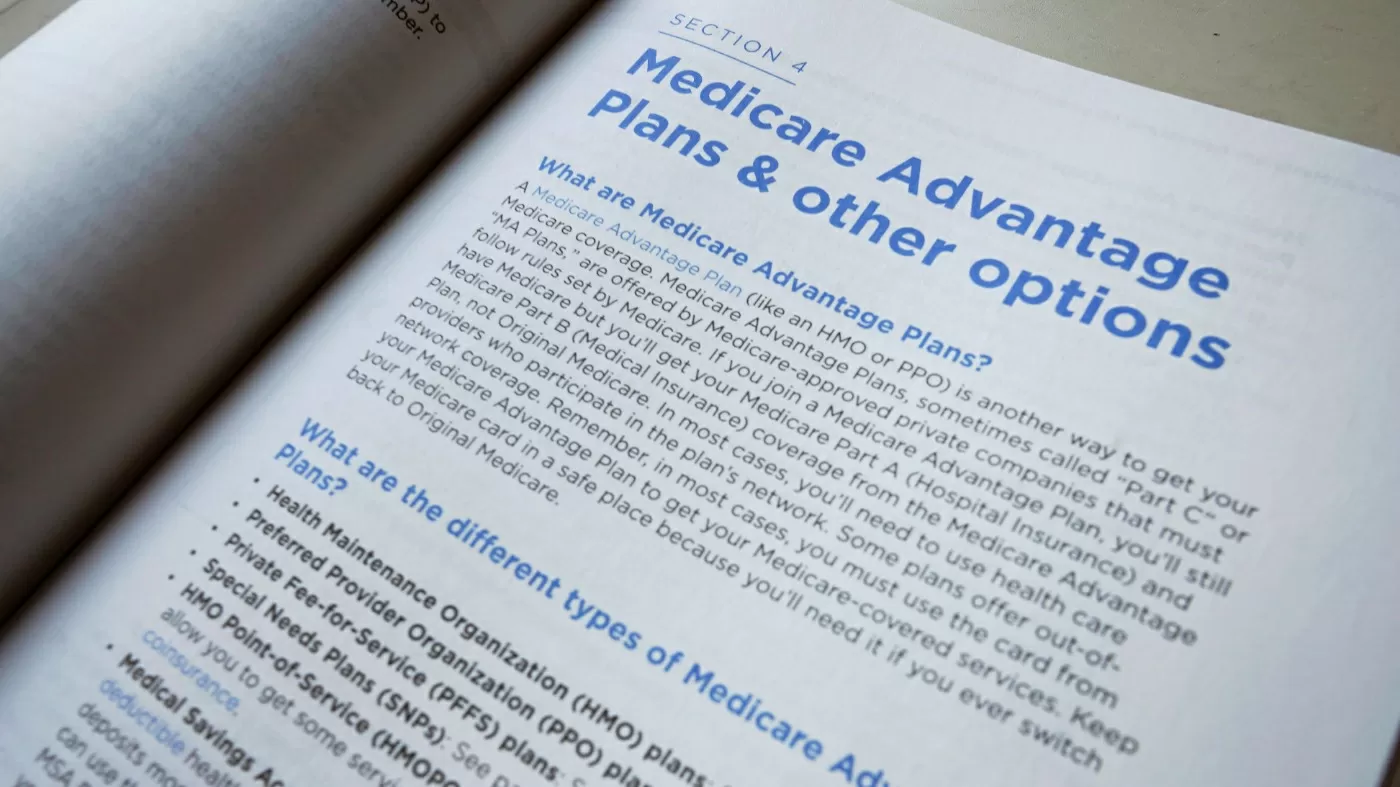
Democratic lawmakers are calling on Republican leaders to reconsider their proposed Medicaid cuts and instead focus on addressing waste, fraud, and abuse in Medicare Advantage.
In a letter to Senate Majority Leader John Thune (R-S.D.) and Speaker Mike Johnson (R-La.), a group of over 40 bicameral Democratic lawmakers expressed their concerns about the potential impact of the proposed Medicaid cuts on vulnerable Americans. They argued that cutting Medicaid would not only harm those who rely on the program for vital healthcare services, but also result in increased costs for states and taxpayers.
The letter highlights the need for a more targeted approach to addressing waste, fraud, and abuse in the healthcare system. Specifically, the lawmakers propose targeting Medicare Advantage “upcoding,” a practice in which insurers exaggerate the health status of their enrollees in order to receive higher payments from the government.
According to the Centers for Medicare and Medicaid Services (CMS), upcoding in Medicare Advantage costs the government an estimated $2 billion every year. This is money that could be better spent on providing quality healthcare to those who need it most.
The Democratic lawmakers argue that addressing upcoding in Medicare Advantage would not only save federal dollars, but also improve the overall integrity of the program. By cracking down on this fraudulent practice, the government can ensure that Medicare Advantage payments are accurately reflecting the health status of beneficiaries and not being inflated for financial gain.
Furthermore, the letter highlights the fact that cutting Medicaid would have much wider consequences. Medicaid is a vital safety net for low-income individuals and families, providing them with access to essential healthcare services. The proposed cuts would result in millions of Americans losing their coverage and being forced to go without necessary medical care.
The lawmakers also point out that the proposed Medicaid cuts would shift the financial burden onto states, which would have to make tough decisions about how to make up for the lost federal funding. This could result in reduced benefits, eligibility restrictions, and increased costs for beneficiaries.
In contrast, addressing upcoding in Medicare Advantage would have a targeted impact on the program without harming those who rely on Medicaid for their healthcare needs. It would also send a strong message that waste, fraud, and abuse will not be tolerated in our healthcare system.
The Democratic lawmakers urge their Republican colleagues to consider these factors and reject the proposed Medicaid cuts in favor of targeting upcoding in Medicare Advantage. By doing so, they can demonstrate a commitment to fiscal responsibility and protecting the health and well-being of all Americans.
In conclusion, addressing waste, fraud, and abuse in Medicare Advantage is a more sensible and responsible approach to saving federal dollars and improving the integrity of our healthcare system. The proposed Medicaid cuts would have far-reaching and harmful consequences, while targeting upcoding would have a more targeted and effective impact. It is time for bipartisan cooperation in addressing these issues and ensuring that all Americans have access to quality healthcare.
