
Informal Help: The Backbone of Elder Care in the U.S.
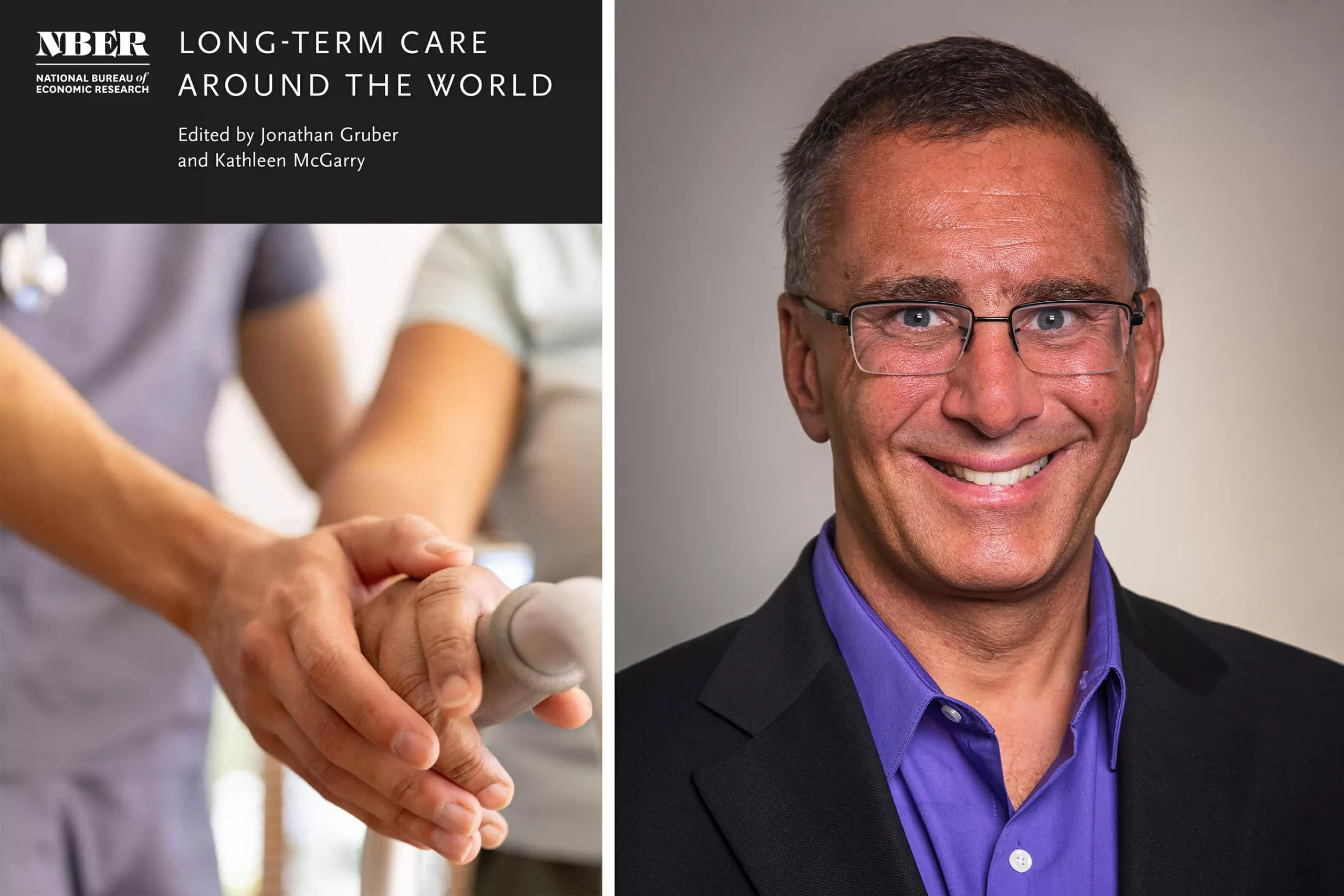
Elder care is a growing concern in the United States as the population continues to age. With longer life expectancies, the elderly are facing new challenges such as chronic health issues, social isolation, and financial strain. In this scenario, informal help from family members and friends has emerged as a crucial source of support for the aging population. However, the burden of informal care falls disproportionately on women and is only set to expand in the coming years. In this regard, a new book titled “Elder Care: A Global Perspective” offers insights into different countries’ solutions for this pressing issue.
According to the latest statistics, there are approximately 53 million Americans over the age of 65, and this number is projected to reach 95 million by 2060. With a rapidly increasing elderly population, there is a growing need for care services, and informal help has emerged as an essential component of elder care. Informal care refers to the assistance provided by family members, friends, and neighbors without any financial compensation. Although this form of care is often overlooked, it plays a significant role in ensuring the well-being of the elderly.
One of the primary reasons for the reliance on informal care is the high cost of professional care services. Many families simply cannot afford to hire a professional caregiver, and thus, have to rely on their loved ones. Moreover, most seniors prefer to receive care from their family members, as it allows them to age in the comfort of their own homes. Informal care also provides emotional benefits, as it allows for a deeper connection between the caregiver and the recipient.
However, the burden of informal care falls disproportionately on women, who make up the majority of caregivers. Women not only face the physical demands of caregiving but also have to juggle their own personal and professional responsibilities. This often results in increased stress, financial strain, and health issues for the caregivers. With the increase in female labor force participation, the availability of informal care is expected to shrink, leading to an even greater demand for professional care services.
In light of this, the new book “Elder Care: A Global Perspective” offers insights into how different countries are addressing the challenges of informal caregiving. The book highlights the strategies and policies implemented by various countries, such as Japan, Germany, and Australia, to support informal caregivers. These solutions include financial aid, respite care, and training programs for caregivers to ensure their well-being and readiness for their role.
For example, in Japan, the government provides a monthly allowance to families caring for an elderly member at home. This allowance is not only a financial incentive but also an acknowledgment of the value of informal care. Germany, on the other hand, has a well-established system of respite care, providing temporary relief for caregivers. This allows them to take a break and attend to their personal needs without compromising the care of their loved ones. Australia has also implemented support programs for caregivers, including training and education, to better equip them for their role.
The book also sheds light on the diverse cultural perspectives on elder care and how this influences the provision of informal help. In some cultures, caring for elders is seen as a sacred duty, while in others, it may be perceived as a burden. This cultural aspect plays a crucial role in the availability and effectiveness of informal care. Understanding these cultural differences is essential in developing effective policies and solutions for informal care.
In conclusion, informal help is a crucial but often overlooked source of support for the growing elderly population in the United States. It not only provides financial benefits but also emotional support for the recipients. However, with the burden falling mainly on women and the aging of the baby boomer generation, the demand for informal care is only set to expand. The book “Elder Care: A Global Perspective” provides valuable insights into different countries’ solutions for this pressing issue. It is a call to action for policymakers, healthcare professionals, and individuals to work together in finding sustainable solutions for informal caregiving and ensuring the well-being of our aging population. Let us all join hands in supporting our elders and recognizing the vital role of informal caregivers in the U.S. – they are the true backbone of elder care.
