
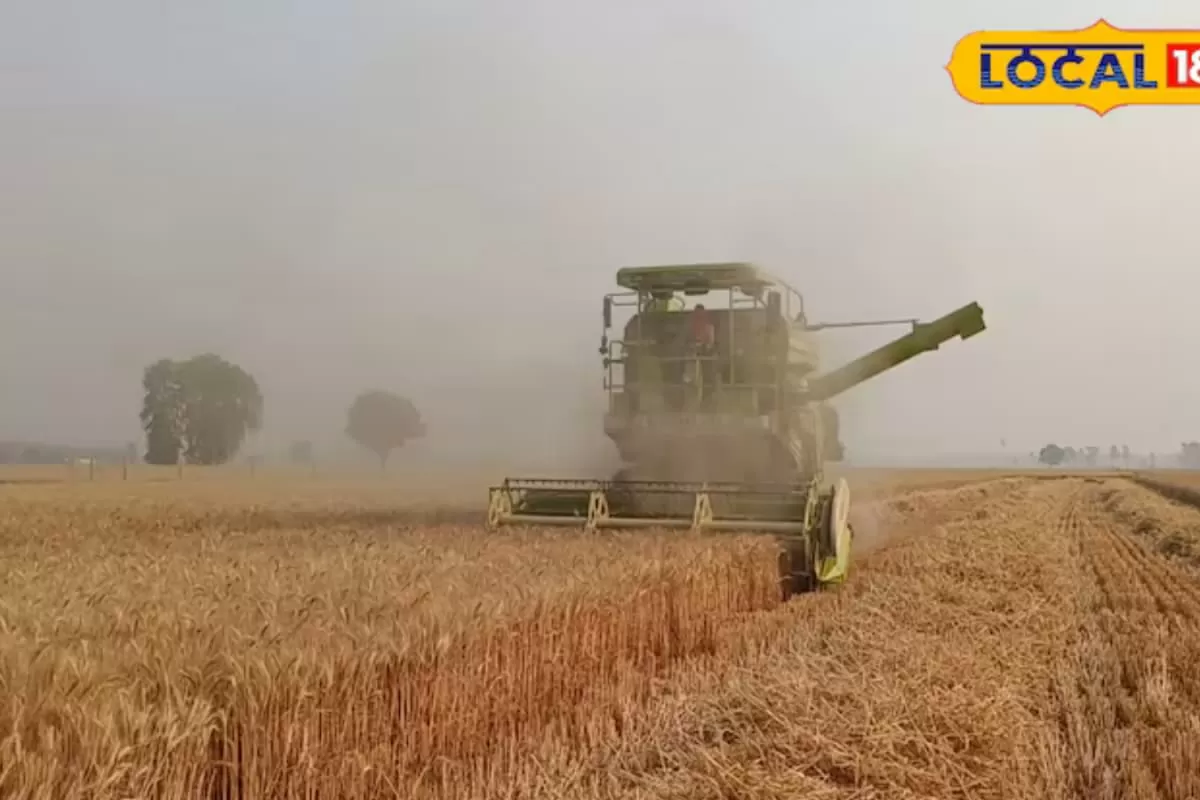
After months of hard work and dedication, farmers eagerly await the time to harvest their crops. It is a crucial time for them as it determines their income and livelihood for the year. However, the hard work doesn’t end with the harvest. Farmers also need to ensure that their crops are properly stored to maintain their quality for year-round consumption.
One of the most common crops that farmers store after harvest is wheat. Wheat is a staple food for many countries and is in high demand throughout the year. Therefore, it is essential for farmers to store it properly to prevent any spoilage. However, due to a lack of proper storage knowledge, many farmers face the problem of weevils infesting their wheat, leading to significant losses.
Weevils are a type of beetle that feeds on grains and can cause extensive damage to stored wheat. They lay their eggs on the grains, and when they hatch, the larvae feed on the wheat, making it unfit for consumption. This not only affects the quality of the wheat but also reduces its market value.
So why do weevils infest stored wheat? The answer lies in the storage techniques used by farmers. Many farmers store their wheat in traditional methods, such as using jute bags or mud containers. While these methods may have worked in the past, they are not suitable for long-term storage. Jute bags are not airtight, and mud containers are prone to cracks, allowing weevils to enter and infest the wheat.
Moreover, farmers often overlook the importance of cleaning and drying the wheat before storage. Any moisture or impurities in the grains can attract weevils and lead to their growth. Additionally, storing wheat in unclean and dusty areas can also contribute to the infestation.
The lack of proper storage knowledge is a significant challenge faced by farmers, especially in developing countries. Many farmers do not have access to modern storage facilities or the necessary training to implement proper storage techniques. As a result, they suffer significant losses, and their hard work goes to waste.
To address this issue, it is essential for farmers to be educated on proper storage techniques. They need to understand the importance of using airtight containers, such as metal silos or plastic bags, to prevent weevils from entering. These containers not only keep the wheat safe from pests but also protect it from moisture and other external factors.
Furthermore, farmers should also be trained on the importance of cleaning and drying the wheat before storage. This can be achieved by using winnowing machines to remove any impurities and drying the grains in the sun to reduce moisture content. Additionally, storing wheat in a clean and well-ventilated area can also prevent weevils from infesting the grains.
Apart from educating farmers, it is also essential for the government and agricultural organizations to provide support and resources for modern storage facilities. This can include building storage warehouses or providing subsidies for farmers to purchase airtight containers. By investing in proper storage facilities, the government can help farmers preserve their crops and improve their income.
In conclusion, proper storage techniques are crucial for farmers to maintain the quality of their crops, especially wheat. Weevils infestation can cause significant losses for farmers, but it can be prevented by implementing modern storage methods and proper cleaning and drying techniques. It is the responsibility of all stakeholders, including farmers, government, and agricultural organizations, to work together and address this issue. With the right knowledge and resources, farmers can store their wheat successfully and have a steady supply of high-quality grains for year-round consumption. Let us support our farmers and ensure that their hard work pays off in the form of a bountiful harvest.
