
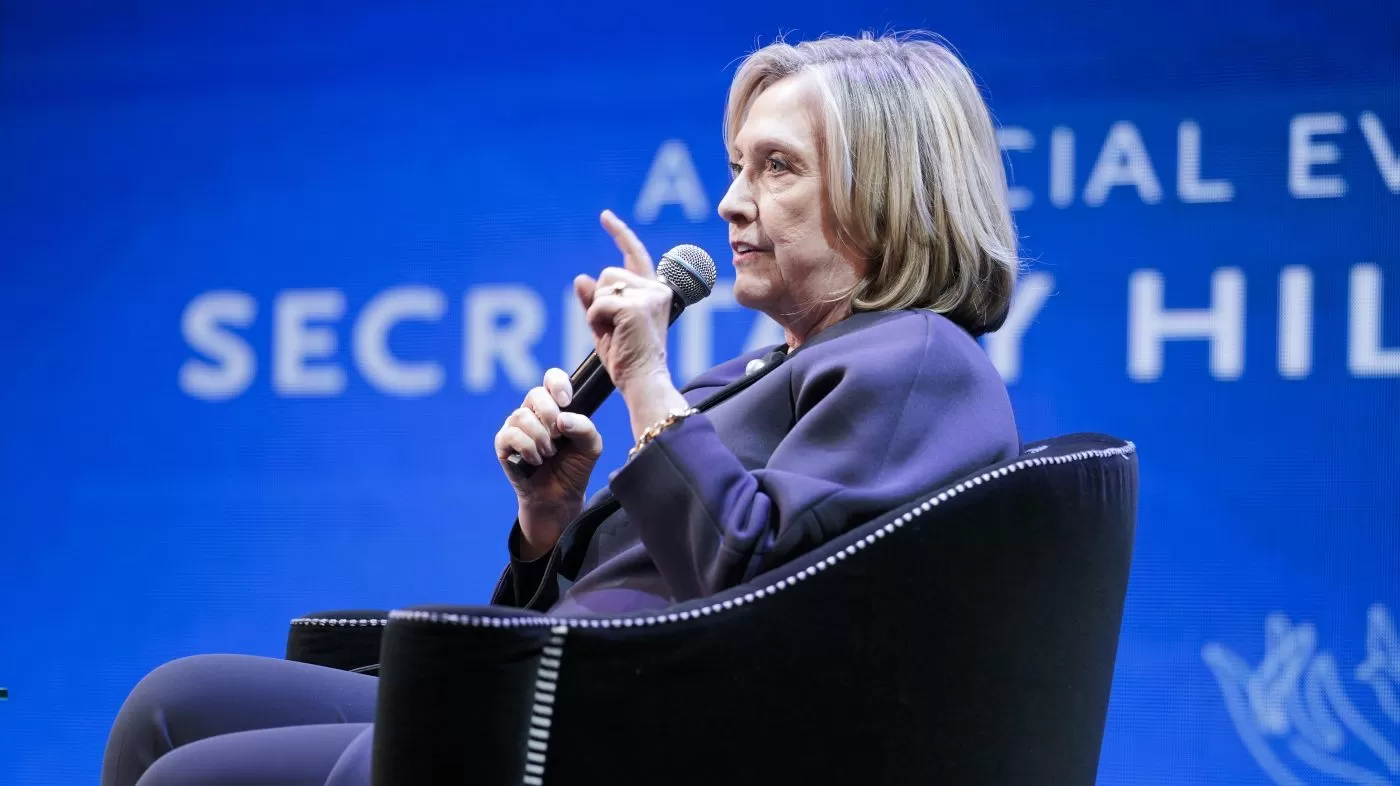
Former Democratic presidential candidate Hillary Clinton has issued a warning to women across the United States about a recently passed House bill that she believes could make it harder for them to exercise their right to vote. The Safeguard American Voter Eligibility (SAVE) Act, which was passed in a 220-208 vote in the House on Thursday, has raised concerns among many, including Clinton, about its potential impact on voter accessibility and participation.
The SAVE Act, introduced by Republican Representative Mo Brooks, aims to tighten voter eligibility requirements by requiring individuals to provide proof of citizenship in order to vote in federal elections. It also includes provisions for purging voter rolls of inactive or ineligible voters. While the bill’s supporters argue that it is necessary to prevent voter fraud, critics like Clinton believe that it will only serve to suppress the voices of marginalized communities, particularly women and people of color.
In a statement released on Friday, Clinton expressed her concerns about the SAVE Act, stating that it “could make it harder for millions of women to exercise their right to vote.” She went on to say that the bill “is a blatant attempt to disenfranchise women and other marginalized communities who have historically faced barriers to voting.”
Clinton’s warning comes at a time when women’s rights and voting rights are under attack in many parts of the country. In recent years, there has been a surge in voter suppression tactics, such as strict voter ID laws and purging of voter rolls, which disproportionately affect women, people of color, and low-income individuals. These tactics not only make it harder for these communities to vote, but they also undermine the very foundation of democracy.
The SAVE Act, if passed by the Senate and signed into law by President Trump, would only add to these existing barriers and further restrict access to the ballot box for women. As Clinton pointed out, many women, particularly those from marginalized communities, may not have the necessary documents to prove their citizenship, such as a birth certificate or passport. This could prevent them from exercising their right to vote, effectively silencing their voices in the democratic process.
Moreover, the bill’s provision for purging voter rolls could also have a significant impact on women’s ability to vote. Women are more likely to change their names due to marriage or divorce, and this could lead to their names being removed from the voter rolls if they do not update their information in a timely manner. This could result in many eligible women being turned away at the polls on Election Day.
Clinton also highlighted the fact that the SAVE Act would disproportionately affect women of color, who have long faced systemic barriers to voting. She stated, “This bill is a direct attack on the voting rights of women of color, who have fought tirelessly for their right to vote and have faced discrimination and voter suppression for far too long.”
In addition to Clinton, many other prominent figures have also spoken out against the SAVE Act, including civil rights organizations and voting rights advocates. They argue that the bill is a thinly veiled attempt to suppress the votes of marginalized communities and undermine the democratic process.
As the SAVE Act moves to the Senate, it is crucial for all Americans, especially women, to make their voices heard and urge their senators to vote against this harmful bill. It is essential to protect and expand voting rights, not restrict them. Every eligible citizen should have the right to vote, and any legislation that seeks to limit this right must be strongly opposed.
In conclusion, Hillary Clinton’s warning about the SAVE Act serves as a wake-up call for all women to stand up and defend their right to vote. We must not allow any legislation to take away our voices and our power to shape the future of our country. Let us come together and fight against any attempts to suppress our votes and ensure that every woman’s voice is heard loud and clear in our democracy.
