
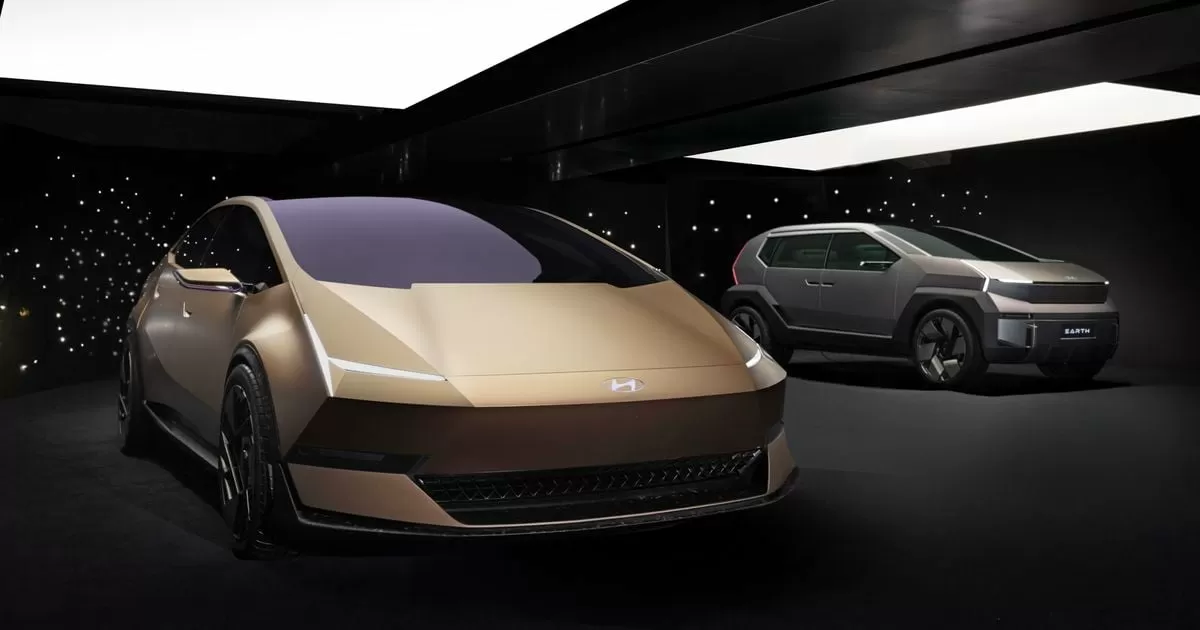
Korean automaker Hyundai is gearing up for a major move into the Chinese electric vehicle (EV) market, with plans to launch its long-standing electric sub-brand in the country. This bold move is part of Hyundai’s overall strategy to expand its presence in the world’s largest EV market and solidify its position as a leader in the global EV industry.
China is a crucial market for EVs, with the country’s government pushing for increased adoption of eco-friendly vehicles to combat air pollution and reduce reliance on fossil fuels. As a result, the Chinese EV market has been growing at a rapid pace, and many major automakers have been eyeing this lucrative market for expansion. With its strong reputation for producing high-quality vehicles and a commitment to innovation, Hyundai is well-positioned to make a splash in China’s EV market.
One of the ways Hyundai plans to make its mark in China is through the launch of its electric sub-brand, which has been successful in other markets, including Europe and the United States. The sub-brand, known as IONIQ, has already gained a loyal following for its eco-friendly and technologically advanced vehicles. The IONIQ lineup currently includes the IONIQ Electric, IONIQ Hybrid, and IONIQ Plug-in Hybrid, and the brand is expected to introduce more models in the future.
By launching the IONIQ brand in China, Hyundai aims to cater to the growing demand for EVs in the country and provide Chinese consumers with a wide range of eco-friendly options. This move also aligns with the Chinese government’s goal to have 20% of all new car sales be electric or hybrid by 2025. With its proven track record in the EV market, Hyundai is well-positioned to meet this target and become a significant player in China’s EV industry.
In addition to the launch of its electric sub-brand, Hyundai is also investing heavily in electric vehicle infrastructure in China. The company has announced plans to build a new charging network across the country, with a focus on major cities such as Beijing, Shanghai, and Guangzhou. This network will make it easier for Chinese consumers to own and operate electric vehicles, addressing one of the biggest barriers to EV adoption.
Moreover, Hyundai is also working on developing new electric vehicle technologies specifically for the Chinese market. The company’s research and development team in China is focused on creating vehicles that cater to the unique needs and preferences of Chinese consumers. This approach demonstrates Hyundai’s commitment to delivering customized solutions for the Chinese market, rather than simply exporting its existing models.
The Korean automaker’s efforts in the Chinese EV market have already shown promising results. In the first half of 2021, Hyundai’s EV sales in China increased by a whopping 290% compared to the same period last year. This impressive growth is a testament to the company’s ability to adapt to local market conditions and meet the demands of Chinese consumers.
Hyundai’s move into the Chinese EV market is not only beneficial for the company but also for the country’s economy and environment. As a foreign automaker, Hyundai’s expansion into China will create job opportunities and contribute to the country’s economic growth. Additionally, by offering more eco-friendly options to Chinese consumers, the company is playing a crucial role in reducing carbon emissions and promoting sustainable transportation.
In conclusion, Hyundai’s full-on assault on the Chinese EV market, including the launch of its IONIQ sub-brand, is a significant move that will undoubtedly have a positive impact. With its strong reputation, advanced technology, and commitment to innovation, Hyundai is well-equipped to succeed in China’s rapidly evolving EV market. The company’s bold and strategic approach is a testament to its determination to become a key player in the global electric vehicle industry and inspire a greener, more sustainable future.
