
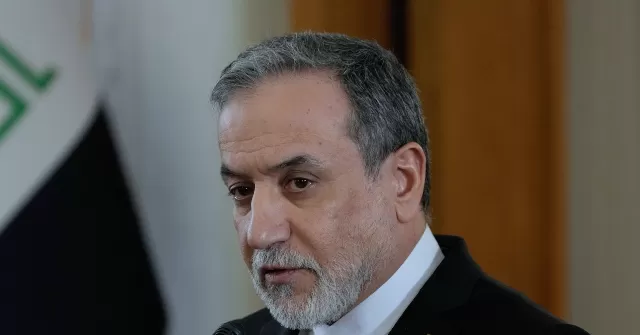
The Atomic Energy Organization of Iran’s chief, Mohammed Eslami, has recently accused the International Atomic Energy Agency (IAEA) of turning a blind eye to the potential danger posed by U.S. and Israeli airstrikes on Iran’s nuclear facilities. In a statement, Eslami expressed his disappointment with the lack of action from the UN nuclear watchdog, stating that their inaction could have serious consequences for the safety and security of Iran’s nuclear program.
Eslami’s accusations come at a time of heightened tensions between Iran and the United States, with the latter withdrawing from the 2015 nuclear deal and imposing harsh sanctions on Iran. The recent assassination of Iranian nuclear scientist Mohsen Fakhrizadeh, which Iran has blamed on Israel, has only added fuel to the fire. In this volatile situation, Eslami’s concerns about the potential for U.S. and Israeli airstrikes on Iran’s nuclear facilities cannot be taken lightly.
The IAEA, as the UN’s nuclear watchdog, has a crucial role to play in ensuring the peaceful use of nuclear energy and preventing the proliferation of nuclear weapons. However, Eslami’s accusations suggest that the agency may not be fulfilling its responsibilities effectively. The IAEA’s mandate includes monitoring and verifying Iran’s compliance with the nuclear deal, known as the Joint Comprehensive Plan of Action (JCPOA). However, with the U.S. withdrawal from the deal and the reimposition of sanctions, Iran has gradually reduced its commitments to the JCPOA, citing the failure of other parties to fulfill their obligations.
In his statement, Eslami pointed out that the IAEA has not taken any action to address the U.S. and Israeli threats against Iran’s nuclear facilities. He also criticized the agency for not condemning the assassination of Fakhrizadeh, which he described as a “terrorist act.” Eslami’s concerns are not unfounded, as the IAEA’s silence on these issues could be seen as a tacit approval of the actions of the U.S. and Israel.
Iran has always maintained that its nuclear program is for peaceful purposes, and the IAEA has repeatedly confirmed the country’s compliance with the JCPOA. However, the U.S. and Israel have long accused Iran of seeking to develop nuclear weapons, despite the lack of evidence to support these claims. The U.S. and Israel’s aggressive stance towards Iran’s nuclear program has only served to escalate tensions in the region and increase the risk of a military confrontation.
In light of these developments, it is imperative that the IAEA takes a more proactive approach in addressing the concerns raised by Eslami. The agency must fulfill its mandate and ensure that all parties involved in the JCPOA fulfill their obligations. It is also crucial for the IAEA to condemn any threats or acts of aggression against Iran’s nuclear facilities, as well as the assassination of Fakhrizadeh. Failure to do so would not only undermine the agency’s credibility but also jeopardize the safety and security of Iran’s nuclear program.
Furthermore, the IAEA must also play a role in de-escalating tensions between Iran and the U.S. and Israel. The agency can act as a mediator and facilitate dialogue between the parties to find a peaceful resolution to the current crisis. It is essential for all parties to engage in constructive dialogue and find a way to salvage the JCPOA, which remains the best option for ensuring the peaceful use of nuclear energy in Iran.
In conclusion, the accusations made by Iran’s Atomic Energy Organization chief, Mohammed Eslami, against the IAEA are a cause for concern. The agency must take immediate action to address these concerns and fulfill its responsibilities effectively. The IAEA’s inaction could have serious consequences for the safety and security of Iran’s nuclear program and the stability of the region. It is time for the agency to step up and play a more proactive role in promoting peace and stability in the Middle East.
