
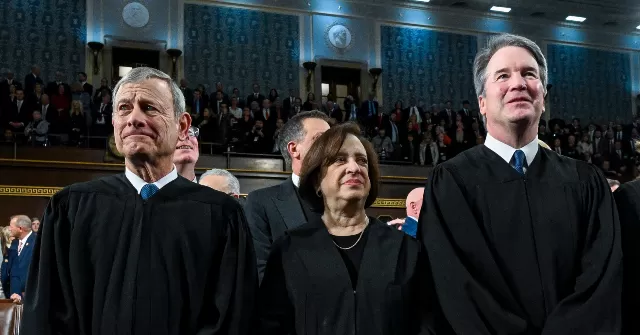
The United States of America is known as the land of opportunity and a nation built on the principles of equality and justice for all. However, the recent debates surrounding birthright citizenship have sparked a nationwide discussion on the interpretation of the U.S. Constitution and who it applies to. The nine justices of the U.S. Supreme Court are currently deliberating on whether or not the Constitution grants citizenship to every child born in the United States, regardless of their parents’ citizenship status.
This debate was sparked by a case addressing the citizenship of a child born to two non-citizen parents in the United States. The question at hand is whether or not the clause in the 14th Amendment of the U.S. Constitution, which states that “all persons born or naturalized in the United States, and subject to the jurisdiction thereof, are citizens of the United States and of the state wherein they reside,” grants automatic citizenship to children of illegal migrants and temporary visa workers.
The interpretation of this clause has been a topic of contention among legal scholars and policymakers for decades. Some argue that the 14th Amendment was intended to grant citizenship to all children born on U.S. soil, regardless of their parents’ immigration status. They believe that the framers of the Constitution intended for birthright citizenship to be a birthright of all individuals born in the United States, no matter the circumstances.
On the other hand, opponents argue that the 14th Amendment was meant to apply only to children born to parents who are lawful permanent residents, not those who are in the country illegally or on temporary visas. They argue that the clause was not intended to be a loophole for individuals to gain citizenship through their children, and that their parents’ immigration status should be taken into consideration.
The Supreme Court’s decision in this matter will have significant implications for millions of individuals and families living in the United States. It will not only determine the fate of those born to non-citizen parents, but it will also shape the future of immigration policy in our country.
The outcome of this debate will also have a direct impact on the notion of American citizenship. The United States has always been a country that welcomes individuals from all over the world, and birthright citizenship has been a cornerstone of our nation’s values. It is a symbol of inclusivity and opportunity, where anyone, regardless of their background, can be a part of the American dream.
If the Supreme Court rules in favor of excluding children of non-citizen parents from birthright citizenship, it would go against the very principles that make our country great. It would not only create a divide among families, but it would also create a sense of exclusion and discrimination towards a group of individuals who have known no other home but the United States.
Furthermore, this debate highlights the need for comprehensive immigration reform in our country. It is a complex issue that requires a thoughtful and compassionate approach. We must find a way to balance the need for secure borders with the recognition of the contributions and humanity of those who have come to our country seeking a better life.
As the Supreme Court continues to debate this matter, it is important for all Americans to remember that we are a nation of immigrants. Our diversity is what makes us strong, and birthright citizenship is a fundamental aspect of our identity as a nation. It is a reflection of our belief in equal opportunity and justice for all.
In conclusion, the ongoing debate on birthright citizenship is a crucial moment in our nation’s history. It is a reminder of the values that define us as a country and the importance of upholding those values through our laws and policies. The decision of the Supreme Court will have a lasting impact on our country, and it is our responsibility as citizens to advocate for a fair and just outcome that aligns with the principles of our Constitution. Let us continue to embrace our diversity and welcome all who come to our shores in search of a better future.
