
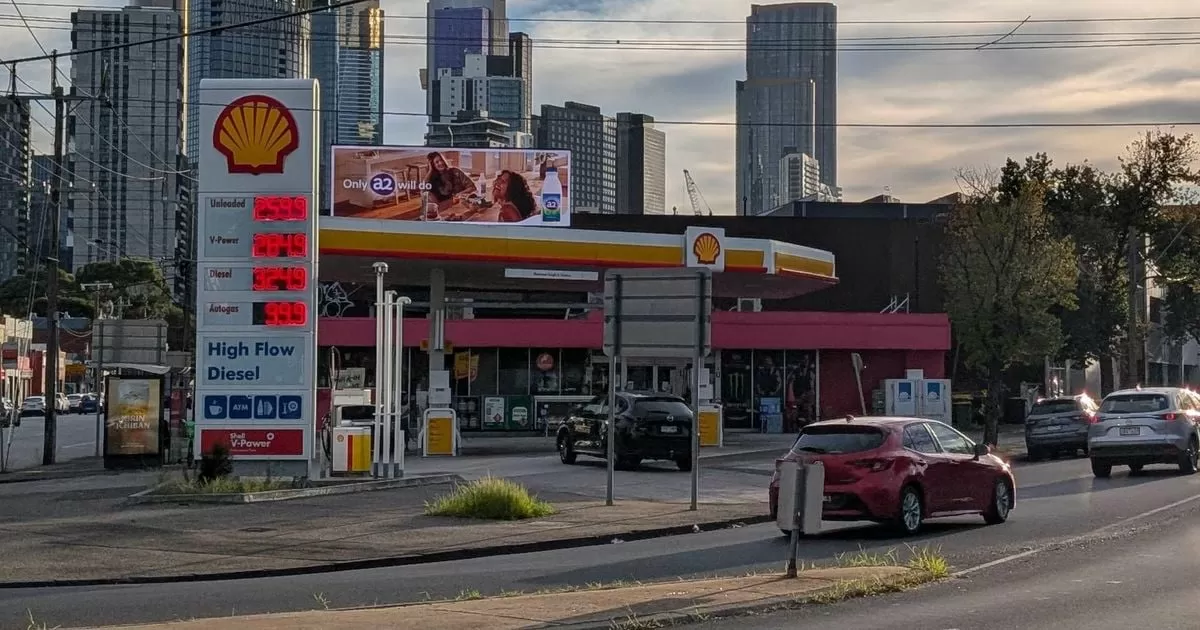
The government’s fuel excise cut has finally come into effect, bringing a glimmer of hope for motorists who have been struggling with record high petrol and diesel prices. However, despite this much-awaited relief, many are still not seeing a significant decrease in their fuel expenses. So, what exactly is happening and when can we expect to see a noticeable change at the pump?
First, let’s understand what the fuel excise cut entails. In simple terms, it is a reduction in the taxes imposed on fuel by the government. This move was announced earlier this year as a way to ease the burden on Australian households and businesses, who have been hit hard by the rising cost of fuel. The government’s decision to cut the excise was met with widespread approval, with many hoping it would provide some much-needed relief from the skyrocketing fuel prices.
However, as the excise cut comes into effect, motorists are not seeing a significant drop in fuel prices just yet. This has caused frustration and disappointment among many who were eagerly anticipating a decrease in their fuel expenses. But before we jump to conclusions, it’s important to understand the factors that are influencing the current fuel prices.
One of the main reasons for the delay in seeing a noticeable decrease in fuel prices is the global market. The price of crude oil, which is the main component of fuel, is determined by global supply and demand. Currently, the global demand for oil is high, and with limited supply, the prices are naturally on the rise. This means that even with the excise cut, the overall cost of fuel is still being influenced by the global market.
Another factor to consider is the exchange rate. As we all know, the Australian dollar has been on a downward trend, making it weaker against other major currencies. This has a direct impact on the cost of imported fuel, as we rely heavily on imported fuel to meet our domestic demand. With a weaker currency, the cost of importing fuel increases, which in turn affects the prices at the pump.
But despite these external factors, the government’s fuel excise cut is still a step in the right direction. It shows that the government is taking action to address the issue of rising fuel prices and is committed to providing relief to the Australian people. It also serves as a reminder that the government is aware of the struggles faced by motorists and is actively working towards finding a solution.
Moreover, the excise cut is not the only measure that the government has taken to ease the burden of high fuel prices. The recent budget also included a $2.2 billion investment in road infrastructure, which aims to improve the efficiency of our transport networks and reduce the cost of transporting goods. This, in turn, will have a positive impact on fuel prices in the long run.
So, while we may not see an immediate decrease in fuel prices, the government’s fuel excise cut is a positive step towards addressing the issue. It is also important to remember that the government cannot control the global market or the exchange rate, but they are taking measures within their control to provide relief to the Australian people.
In conclusion, the government’s fuel excise cut may not have resulted in an immediate decrease in fuel prices, but it is a positive step towards addressing the issue of rising fuel costs. It shows that the government is aware of the struggles faced by motorists and is taking action to provide relief. With the recent budget also including investments in road infrastructure, we can hope to see a gradual decrease in fuel prices in the future. Let’s remain optimistic and trust that the government is working towards finding a long-term solution to this issue.
