
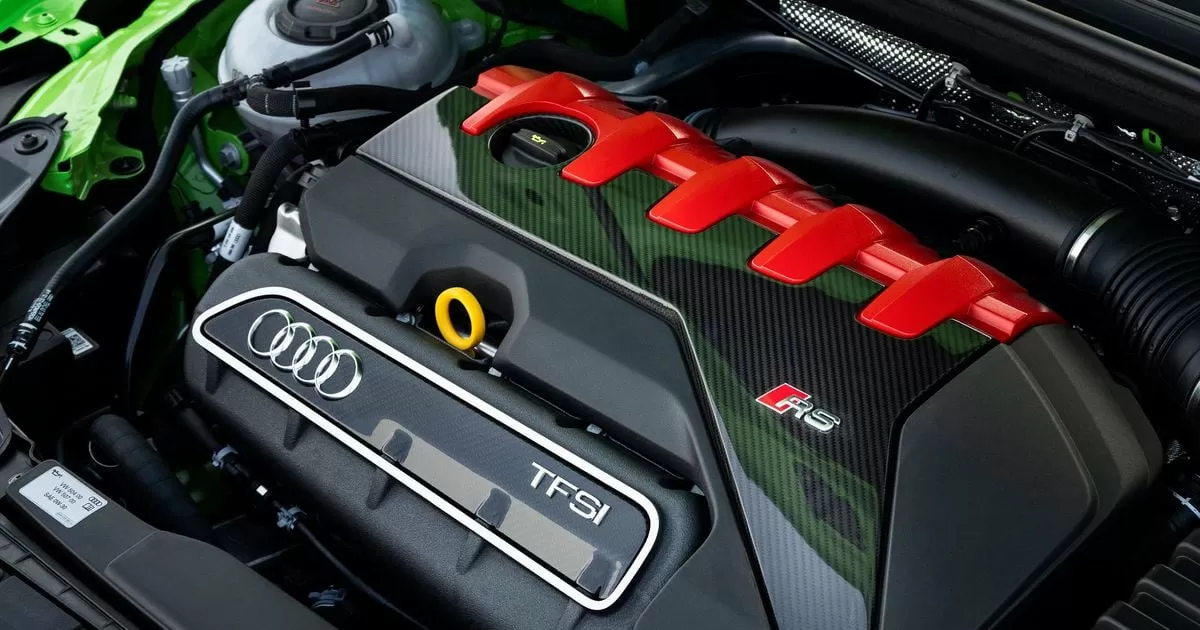
After five decades of powering some of Audi’s most iconic models, the end date for the brand’s unique turbocharged five-cylinder engine has been set. This news has left many car enthusiasts feeling nostalgic, as the engine has become synonymous with Audi’s performance and heritage. However, as the saying goes, all good things must come to an end, and Audi is ready to embrace the future with its new generation of engines.
The five-cylinder engine has been a part of Audi’s history since the 1970s, when it was first introduced in the Audi 100. It quickly gained a reputation for its power, efficiency, and distinctive sound. Over the years, the engine has undergone numerous advancements and improvements, making it a favorite among Audi fans and critics alike. It has been used in a variety of models, from the legendary Audi Quattro to the modern-day RS3 and TT RS.
But as the automotive industry continues to evolve, so does Audi’s approach to engine technology. The brand has been investing heavily in electric and hybrid vehicles, with plans to electrify its entire lineup by 2026. This shift towards sustainable mobility has led to the decision to retire the five-cylinder engine, as it no longer aligns with Audi’s vision for the future.
However, Audi assures its loyal customers that the end of the five-cylinder engine does not mean the end of performance. In fact, the brand promises that its new generation of engines will be even more powerful, efficient, and technologically advanced. This is made possible by Audi’s commitment to innovation and its partnership with other Volkswagen Group brands, such as Porsche and Lamborghini.
One of the main reasons for the retirement of the five-cylinder engine is the increasing demand for electrified vehicles. With stricter emissions regulations and a growing concern for the environment, Audi has recognized the need to shift towards more sustainable options. The brand has already made significant progress in this area, with the introduction of its first fully electric vehicle, the Audi e-tron, in 2019. The e-tron has received rave reviews for its performance and range, setting the standard for future electric models from Audi.
Another factor that has influenced the decision to end the five-cylinder engine is the rise of turbocharged four-cylinder engines. These smaller, more efficient engines have become the norm in the automotive industry, and Audi has been at the forefront of this trend. The brand’s four-cylinder engines have proven to be just as powerful and dynamic as their five-cylinder counterparts, while also offering better fuel economy and lower emissions.
Despite the end of an era, Audi remains committed to delivering the same level of performance and driving experience that its customers have come to expect. The brand’s new generation of engines will continue to push the boundaries of technology and innovation, while also meeting the demands for sustainability. This is a testament to Audi’s dedication to providing its customers with the best of both worlds – performance and sustainability.
The retirement of the five-cylinder engine also marks the beginning of a new chapter for Audi. The brand is set to launch several new models in the coming years, including the highly anticipated Audi Q4 e-tron and the all-electric Audi e-tron GT. These models will showcase Audi’s expertise in electric and hybrid technology, and further solidify its position as a leader in the automotive industry.
In conclusion, while the end date for Audi’s unique turbocharged five-cylinder engine may be bittersweet for some, it is a necessary step towards a more sustainable future. Audi’s commitment to innovation and its customers’ needs will ensure that the brand continues to deliver exceptional performance and driving experience. The retirement of the five-cylinder engine is not the end, but rather the beginning of a new and exciting era for Audi.
