
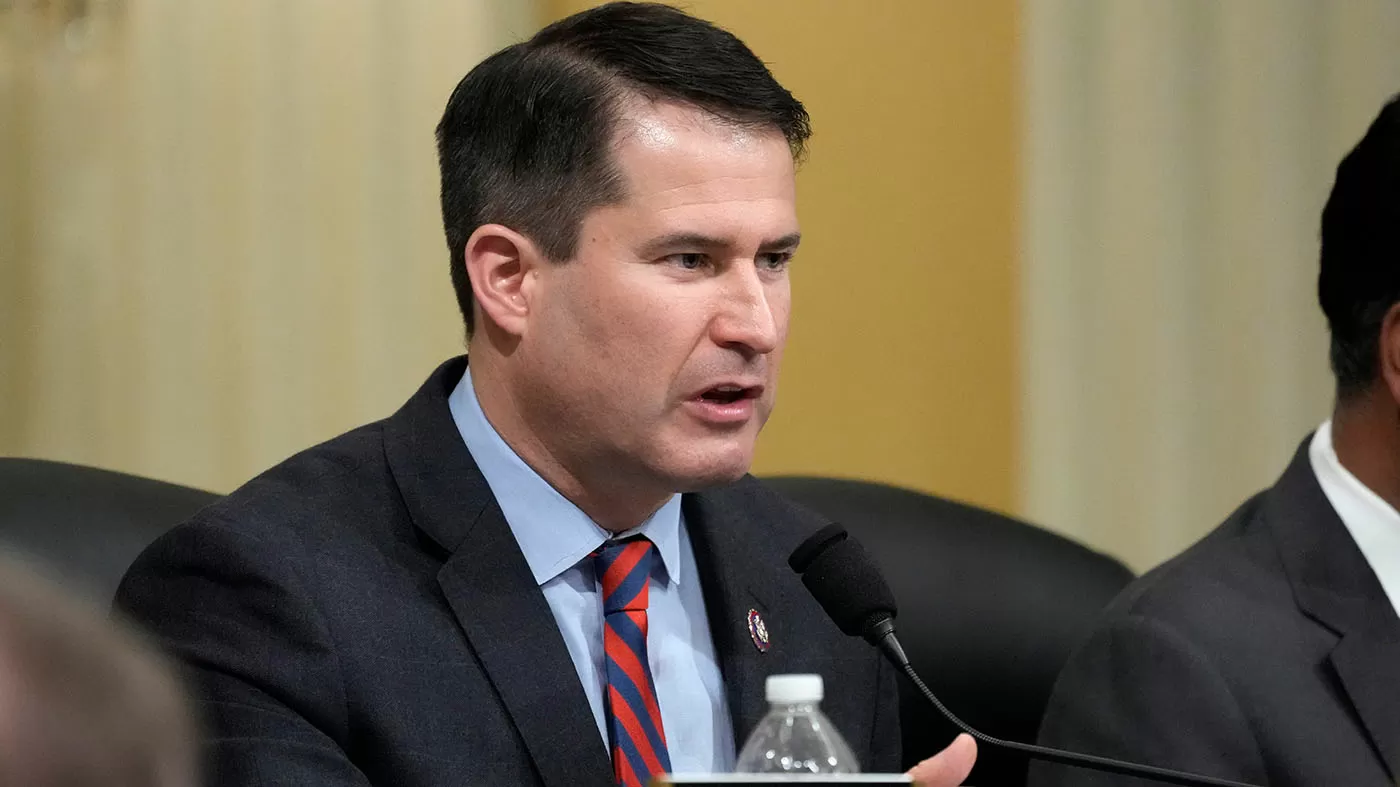
Rep. Seth Moulton (D-Mass.) has recently announced a new policy for his congressional staff, prohibiting them from participating in prediction market platforms. This move comes amidst growing concerns and scrutiny surrounding these markets, which have gained popularity in recent years.
In a post on social media, Moulton’s press office stated that the policy will be effective immediately and will apply to all staff members. This means that his team will no longer be able to engage in trading on platforms such as Polymarket and Kalshi.
For those who are unfamiliar, prediction markets are online platforms where users can bet on the outcome of future events, such as political elections, sporting events, and even the weather. These markets work on the principle of crowdsourcing, where the collective knowledge and opinions of the participants are used to predict the outcome of an event.
While prediction markets have been around for some time, they have gained more attention recently due to their accuracy in predicting the outcomes of various events. However, they have also come under scrutiny from members of Congress, who are concerned about the potential risks and ethical implications of these markets.
Rep. Moulton’s decision to ban his staff from participating in prediction markets is a responsible and commendable move. As a leader, it is his duty to ensure that his team conducts themselves ethically and with integrity. By implementing this policy, Moulton is setting a positive example for other lawmakers and their staff members, emphasizing the importance of ethical behavior in the political arena.
Furthermore, this decision reflects Rep. Moulton’s commitment to serving his constituents with honesty and transparency. By prohibiting his staff from engaging in prediction markets, he is eliminating any potential conflicts of interest that may arise. This will also prevent any perception of impropriety, ensuring that his team remains focused on their primary responsibility of serving the people of Massachusetts to the best of their abilities.
In addition to the ethical concerns, there are also potential risks associated with participating in prediction markets. These markets are often unregulated and can be prone to manipulation and insider trading. By banning his staff from participating, Rep. Moulton is protecting them from these risks and safeguarding their reputation.
It is worth noting that this decision does not restrict Rep. Moulton’s constituents from participating in prediction markets. As a firm believer in individual freedom and choice, he respects the right of individuals to make their own decisions. However, he believes that as public servants, his staff must adhere to a higher standard of conduct.
In conclusion, Rep. Seth Moulton’s decision to ban his staff from participating in prediction markets is a step in the right direction. It demonstrates his commitment to ethical and transparent governance and sets a positive example for other members of Congress. By prioritizing the interests of his constituents and upholding the values of integrity and honesty, Rep. Moulton is leading by example and working towards a better and more responsible political landscape.
