
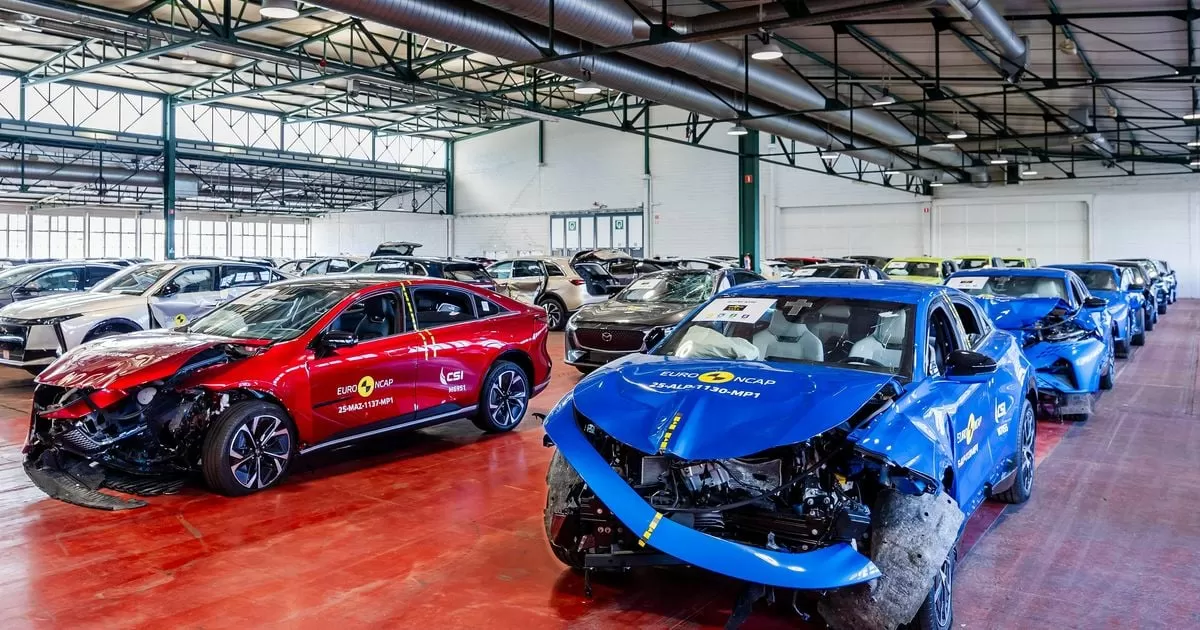
Euro NCAP, the European New Car Assessment Program, has been an integral part of the automotive industry for over two decades. It is a safety organization that conducts rigorous crash tests on new cars and provides a safety rating based on the performance of the vehicle. The program has been instrumental in promoting safety in the automotive industry and has played a significant role in encouraging car manufacturers to improve the safety standards of their vehicles.
In recent years, Euro NCAP has noticed a trend towards the ‘democratisation’ of safety technology in the automotive industry. This means that safety features that were once only available in high-end luxury cars are now becoming more accessible in mainstream vehicles. The organization believes that this is a positive development as it is making safety technology more affordable and accessible to the general public.
According to Euro NCAP, this ‘democratisation’ of safety technology is also having a positive impact on the cost of vehicles. With more manufacturers incorporating safety features in their cars, the cost of these features is decreasing, making it more feasible for car buyers to opt for them. This, in turn, is leading to a decrease in the overall cost of vehicles, making them more affordable for the average consumer.
However, despite this positive trend, there are some brands that are choosing not to pursue five-star ratings from Euro NCAP. These brands are opting to focus on other aspects of their vehicles, such as design or performance, rather than prioritizing safety. While this may seem like a risky move, it is important to note that Euro NCAP ratings are not mandatory, and car manufacturers are not obligated to improve their safety standards.
But why are these brands choosing not to pursue five-star ratings? One reason could be the cost involved in improving safety standards. While the ‘democratisation’ of safety technology has made it more affordable, it still comes at a cost. For some brands, the investment required to achieve a five-star rating may not be justifiable, especially if their target market is not particularly safety-conscious.
Another reason could be the perception that safety ratings do not have a significant impact on sales. While Euro NCAP ratings are highly regarded in the automotive industry, some car manufacturers may not see it as a crucial factor in their sales. They may believe that their brand image, design, or performance holds more weight in the eyes of the consumer.
However, this mindset could be detrimental to both the brand and the consumer. In today’s competitive market, safety has become a crucial selling point for car manufacturers. With the rise in awareness about road safety and the increasing demand for safer vehicles, brands that choose not to prioritize safety may lose out on potential customers who are looking for a safe and reliable vehicle.
Moreover, by not pursuing five-star ratings, these brands are also missing out on the opportunity to continuously improve their safety standards. Euro NCAP updates its testing criteria every year, and achieving a higher rating requires constant innovation and improvement in safety technology. By not striving for a five-star rating, these brands may fall behind in terms of safety standards, which could ultimately harm their brand image and sales in the long run.
In conclusion, the ‘democratisation’ of safety technology is undoubtedly a positive development in the automotive industry. It is making safety more affordable and accessible to the general public, and it is also contributing to the overall decrease in the cost of vehicles. However, it is essential for all car manufacturers to prioritize safety and strive for the highest safety ratings. Not only does it benefit the consumer, but it also helps in building a positive brand image and staying competitive in the market. As consumers, it is our responsibility to prioritize safety when purchasing a vehicle and encourage car manufacturers to do the same. After all, our safety should always be a top priority.
