
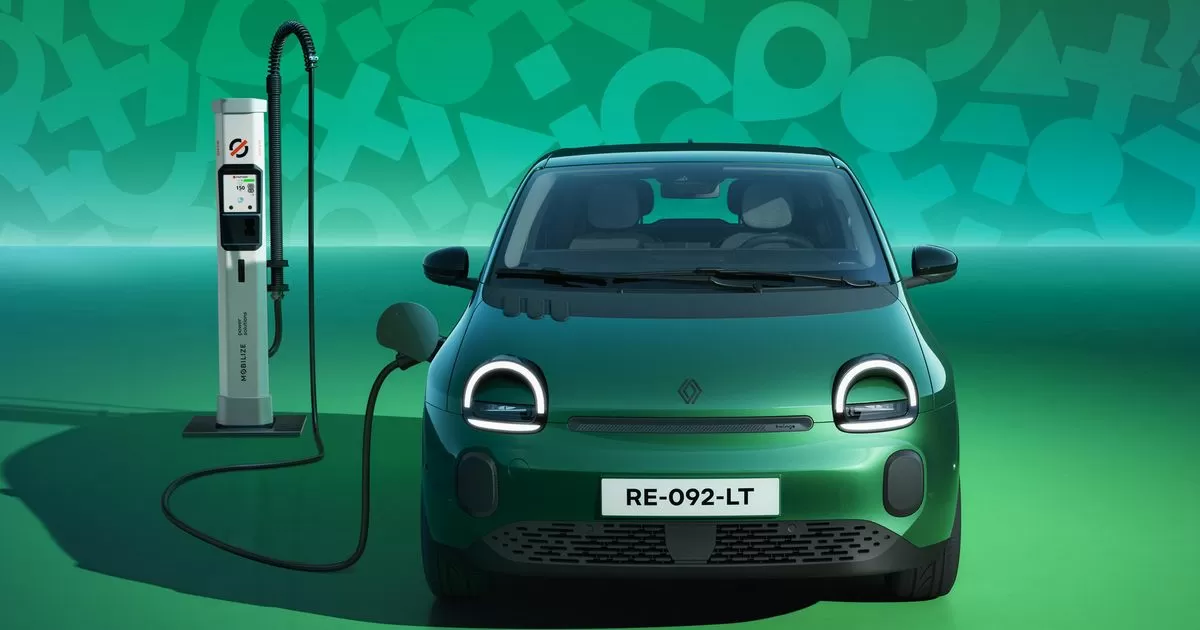
Renault Australia has been making waves in the automotive industry with its innovative electric vehicle (EV) models. However, despite the growing popularity of EVs globally, the French automaker is hesitant to expand its electric lineup in the Australian market. This reluctance is due to the lack of demand for EVs locally, making it a challenging market for Renault to penetrate.
Renault currently offers three electric models in Australia – the Zoe, Kangoo Z.E., and Master Z.E. These models have received positive reviews from both consumers and critics for their performance and eco-friendliness. However, the sales numbers for these models have not been as impressive as expected. According to the Federal Chamber of Automotive Industries (FCAI), only 0.7% of total vehicle sales in Australia in 2020 were electric vehicles, and Renault’s electric models accounted for a very small portion of that percentage.
The low demand for EVs in Australia can be attributed to several factors. Firstly, the high cost of electric vehicles is a major deterrent for Australian consumers. The price of EVs is significantly higher than their petrol or diesel counterparts, making them less appealing to budget-conscious buyers. Additionally, Australia’s lack of infrastructure for charging stations also makes it challenging for EV owners to travel long distances, making them less practical for everyday use.
Furthermore, the Australian government’s lack of incentives for EVs has also made it difficult for automakers like Renault to promote and sell their electric models. Unlike other countries such as the UK, Norway, and China, Australia does not offer any subsidies or tax breaks for EV purchases. This lack of support from the government makes it challenging for automakers to market and sell their electric models in the country.
Despite these challenges, Renault Australia remains committed to its electric lineup and is continuously working towards promoting and expanding its EV offerings in the country. The company has invested heavily in research and development to improve the performance and range of its electric models. The latest version of the Zoe, for instance, offers a range of up to 395 kilometers, making it more practical for everyday use.
Moreover, Renault has also been actively collaborating with the Australian government and other stakeholders to promote the adoption of EVs in the country. The company has been advocating for the implementation of incentives and policies to encourage consumers to switch to electric vehicles. Renault believes that with the right support from the government, the demand for EVs in Australia will increase, making it a more viable market for the company to expand its electric lineup.
Renault’s commitment to sustainability and reducing carbon emissions is evident through its efforts to promote and expand its electric lineup globally. The company has set ambitious targets to achieve carbon neutrality by 2050 and has been investing heavily in electric and hybrid technology. This dedication to sustainability is also reflected in the company’s partnership with Nissan and Mitsubishi under the Renault-Nissan-Mitsubishi Alliance, which aims to become a leader in the EV market.
In conclusion, while Renault Australia may be hesitant to expand its electric lineup beyond its current three models, the company remains committed to promoting and improving the adoption of EVs in the country. With the right support from the government and increasing awareness among consumers, the demand for electric vehicles in Australia is expected to grow. Renault’s innovative and eco-friendly electric models are well-positioned to cater to this demand, and the company is ready to take on the challenge of making Australia a more sustainable and environmentally-friendly market for EVs.
