
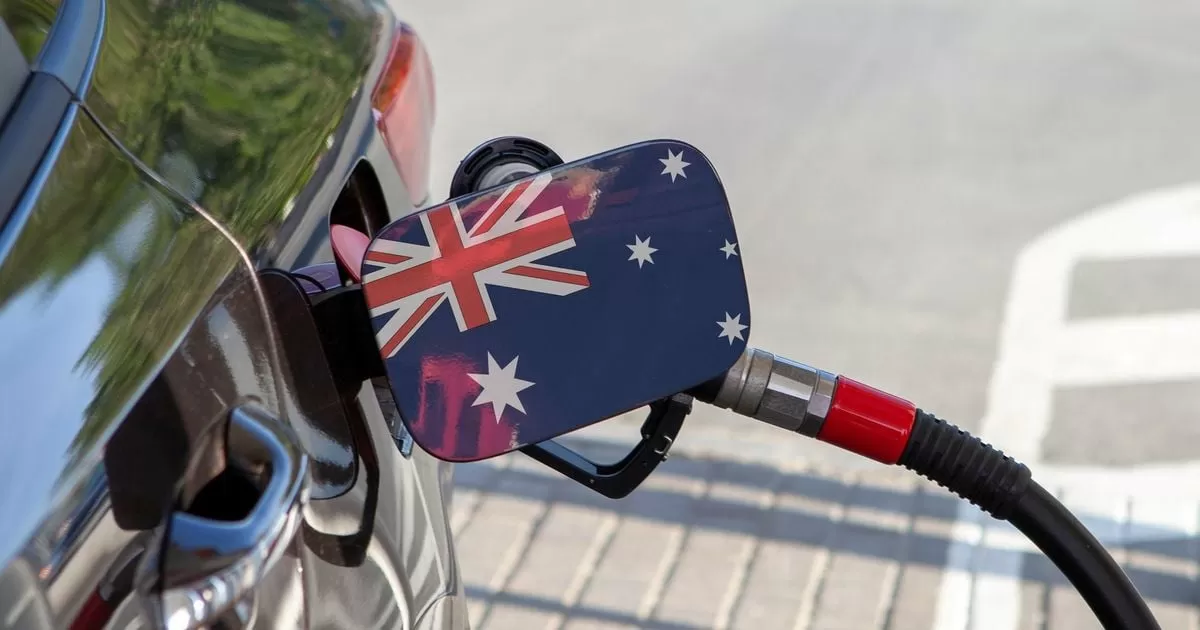
The recent increase in fuel prices has been a major concern for consumers across the country. Despite calls for a reduction in fuel excise, the federal government has stood firm on its decision to maintain the current level. In addition, the government has also warned fuel retailers against price gouging, ensuring that consumers are not taken advantage of during these challenging times.
The fuel excise is a tax levied by the government on the sale of fuel in Australia. It is an essential source of revenue for the government, which uses it to fund vital services such as healthcare, education, and infrastructure. However, with the recent surge in fuel prices, there have been widespread calls for the government to reduce the excise and provide relief to the struggling consumers.
Despite the mounting pressure, the federal government has made it clear that it will not be reducing the fuel excise from its current level. This decision has been met with disappointment and frustration by many. However, upon closer inspection, it is evident that the government’s stance is not only justified but also necessary.
The current global economic climate has been tumultuous, to say the least. The ongoing COVID-19 pandemic has wreaked havoc on the global economy, causing prices of commodities, including oil, to fluctuate. This volatility has made it challenging for governments to make accurate predictions and decisions regarding fuel prices. The federal government’s decision to keep the fuel excise at its current level is a proactive measure to ensure stability in the fuel market.
Moreover, reducing the fuel excise would have severe consequences for the country’s economy. The government estimates that a one-cent reduction in the excise would result in a revenue loss of approximately $170 million per year. This loss would have a ripple effect on the government’s budget and could potentially lead to cuts in essential services. In these uncertain times, the government must prioritize the country’s financial stability and ensure that the economy remains robust.
Furthermore, the government’s decision to maintain the current fuel excise level is also a step towards promoting sustainable practices. The higher the fuel prices, the more incentive there is for consumers to reduce their fuel consumption. In a world where climate change is a pressing issue, this is a positive step towards reducing carbon emissions and promoting a greener environment. By keeping the fuel excise at its current level, the government is encouraging individuals and businesses to adopt more sustainable practices, which will have long-term benefits for the country and the planet.
In addition to standing firm on the fuel excise, the government has also issued a stern warning to fuel retailers against price gouging. Price gouging refers to the unethical practice of taking advantage of consumers by charging higher prices for goods or services in times of crisis. With fuel being an essential commodity, it is crucial that consumers are not exploited by unscrupulous fuel retailers.
The government has made it clear that it will not tolerate any form of price gouging and has urged consumers to report any suspicious price hikes to the relevant authorities. This proactive measure ensures that consumers are protected and can continue to purchase fuel at a fair price. It also sends a strong message to fuel retailers that any attempts to take advantage of consumers will not be tolerated.
In conclusion, while the federal government’s decision to maintain the current fuel excise level may not be popular with some, it is a necessary and responsible move. It ensures stability in the fuel market, promotes sustainable practices, and protects consumers from price gouging. As the government continues to navigate through these challenging times, it is essential that we support their decisions and work together towards a stronger and more sustainable future for our country.
