
Iran’s recent statements regarding the Strait of Hormuz have caused quite a stir in the international community. The Islamic Revolutionary Guard Corps (IRGC), known for their militant tactics and support of terrorist organizations, has been threatening to close this vital waterway, which is responsible for the transportation of a significant portion of the world’s oil supply. However, in a surprising turn of events, Iran has now claimed that the strait will remain open to their “friends”, following pressure from China and a potential offer from the Trump administration to provide naval escorts for oil tankers passing through the area.
This sudden change in stance from Iran has raised eyebrows and sparked speculation about the country’s motives. Is it a sign of weakness or a strategic move to appease their allies? Whatever the reason may be, one thing is clear – the world can breathe a sigh of relief knowing that the Strait of Hormuz will remain open for business.
The Strait of Hormuz, located between Iran and Oman, is a crucial passage for global oil trade. It connects the Persian Gulf to the Arabian Sea and is responsible for the transportation of nearly one-fifth of the world’s oil supply. Any disruption in this waterway would have severe consequences for the global economy, causing a spike in oil prices and affecting the daily lives of people around the world.
For months, Iran has been threatening to close the strait in response to the US sanctions imposed on them. The IRGC, a designated terrorist organization, has been at the forefront of these threats, causing concern among the international community. However, it seems that Iran’s allies, particularly China, have stepped in to diffuse the situation.
China, one of the largest importers of oil, has a significant stake in keeping the Strait of Hormuz open. Any disruption in the flow of oil would have a direct impact on their economy. Therefore, it is not surprising that they have used their influence to convince Iran to back down from their aggressive stance. This move not only benefits China but also sends a message to the US that they have the ability to influence their allies.
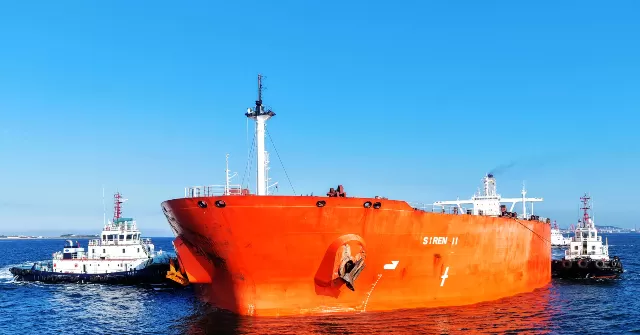
Moreover, the Trump administration’s offer to provide naval escorts for oil tankers passing through the Strait of Hormuz may have also played a role in Iran’s change of heart. This offer, if accepted by Iran, would demonstrate a willingness to de-escalate tensions and maintain stability in the region. It also shows that the US is committed to protecting the interests of its allies and ensuring the free flow of international trade.
Iran’s decision to keep the strait open to their “friends” is a positive development that should be welcomed by the international community. It not only avoids a potential crisis but also shows a willingness to engage in diplomatic solutions. This move also highlights the importance of maintaining strong alliances and the power of diplomacy in resolving conflicts.
However, it is essential to remain cautious and monitor the situation closely. Iran’s history of making empty threats and their support of terrorist organizations cannot be ignored. The international community must continue to pressure Iran to abide by international laws and refrain from any aggressive actions that could disrupt the flow of oil.
In conclusion, the recent statements from Iran regarding the Strait of Hormuz are a welcome change from their previous aggressive stance. The pressure from China and the potential offer from the Trump administration have played a significant role in this decision. It is a positive step towards maintaining stability in the region and ensuring the free flow of international trade. Let us hope that Iran continues to uphold their promise and the strait remains open for all.
