
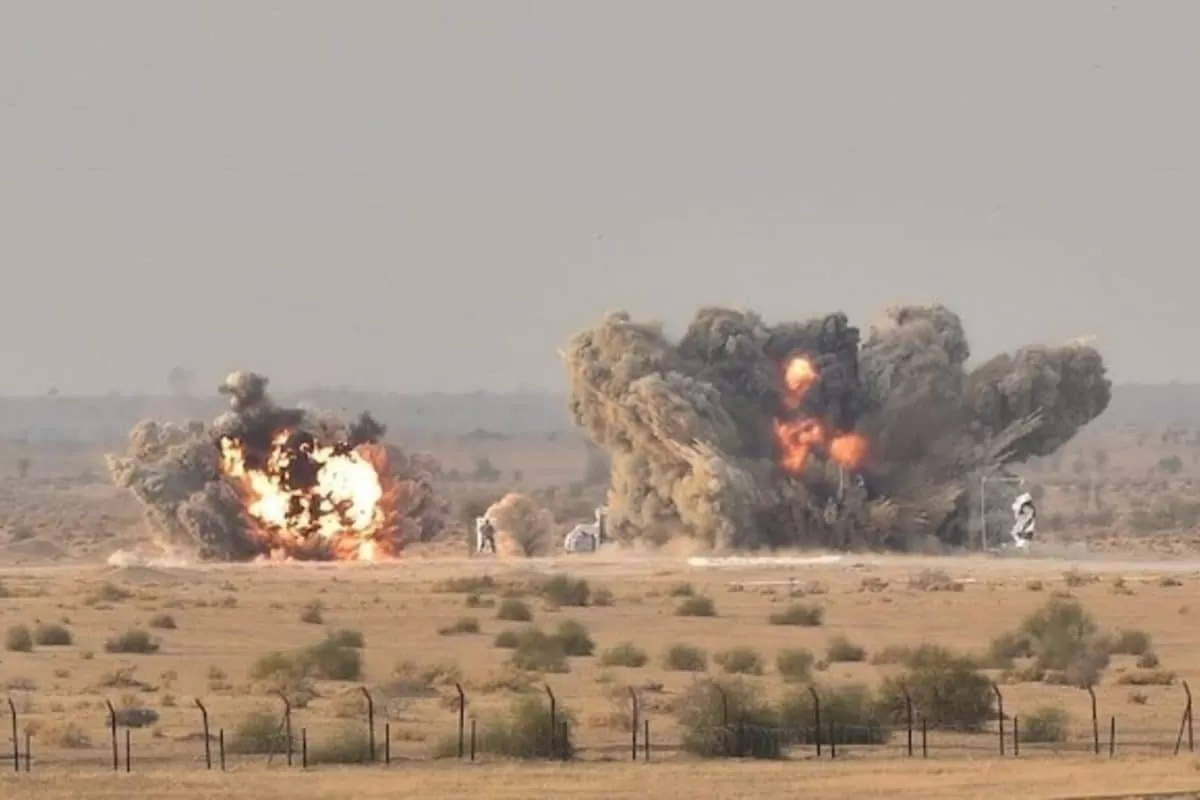
The exercise is not just a show of strength or a display of military might. It is a complex and multifaceted endeavor that serves strategic, operational, and societal aims. In today’s world, where conflicts and crises are becoming increasingly complex and unpredictable, the importance of exercise cannot be overstated. It is a crucial tool for maintaining readiness, building partnerships, and promoting stability.
At its core, exercise is a training activity that prepares military forces for potential threats and challenges. It allows them to test their capabilities, identify weaknesses, and develop strategies to overcome them. Through realistic scenarios and simulations, soldiers are able to hone their skills and improve their decision-making abilities. This not only enhances their individual performance but also strengthens the overall effectiveness of the military.
Moreover, exercise serves as a platform for building partnerships and fostering cooperation among different nations. In today’s interconnected world, no country can face security challenges alone. Exercises provide an opportunity for militaries to work together, share knowledge and expertise, and develop a common understanding of each other’s capabilities. This not only enhances interoperability but also promotes trust and confidence among nations. As the saying goes, “train together, fight together.”
In addition to its military objectives, exercise also has significant societal aims. It serves as a means to engage with the public and showcase the capabilities of the armed forces. Through open days, demonstrations, and media coverage, people are able to witness firsthand the professionalism and dedication of their military. This helps to build a sense of pride and confidence in the armed forces and strengthens the bond between the military and the society it serves.
Furthermore, exercise also plays a crucial role in promoting stability and preventing conflicts. By conducting joint exercises with partner nations, militaries are able to demonstrate their commitment to regional security and stability. This sends a strong message to potential adversaries and helps to deter aggression. Additionally, exercises also provide an opportunity for militaries to practice crisis response and disaster relief operations. In times of natural disasters or humanitarian crises, the military is often called upon to provide assistance. Through exercises, they are able to develop the necessary skills and procedures to respond effectively and efficiently.
The benefits of exercise are not limited to the military alone. It also has a positive impact on the economy. The planning and execution of exercises require a significant amount of resources, which in turn, generates economic activity. From transportation and accommodation to food and supplies, exercises provide a boost to the local economy. This is particularly beneficial for communities that are located near military training areas.
In conclusion, the exercise is a vital component of modern military operations. It serves strategic, operational, and societal aims and plays a crucial role in maintaining readiness, building partnerships, and promoting stability. In today’s dynamic and unpredictable security environment, the importance of exercise cannot be emphasized enough. It is a powerful tool that enables militaries to adapt, innovate, and overcome any challenges that may come their way. As the saying goes, “train hard, fight easy.”
