
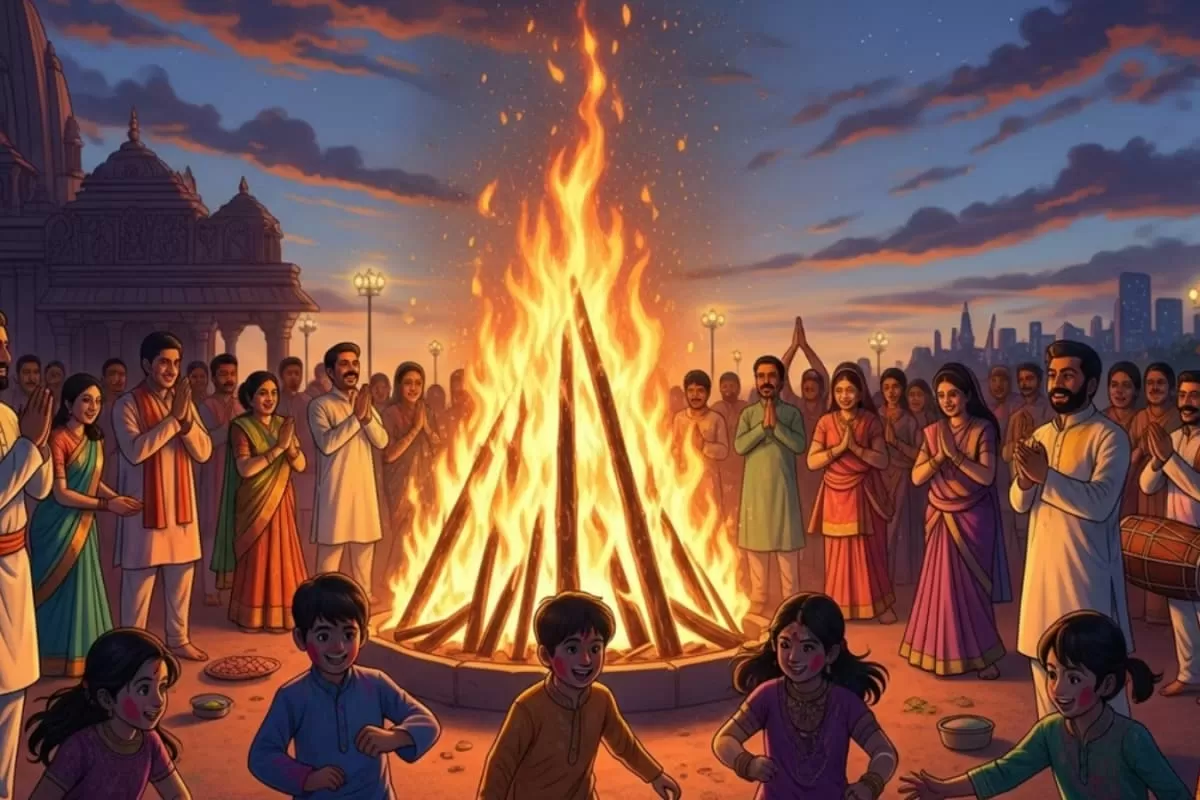
Hinduism is a religion that is deeply rooted in spirituality and rituals. It is a way of life that is followed by millions of people worldwide. One of the most prominent aspects of Hinduism is its festivals and fasts that are celebrated throughout the year. However, in recent times, there has been a noticeable shift in the dates of these festivals and fasts. This has left many people confused and wondering why these important occasions are now falling on two different days. To shed some light on this matter, an astrologer from Central Sanskrit University, Jammu, has given an explanation and also provided a simple method to determine the correct date.
According to the astrologer, the reason for the change in dates is due to the difference in the Panchang (Hindu calendar) followed by different regions in India. The Panchang is based on the lunar cycle and is used to determine the auspicious dates for various festivals and rituals. However, due to the vast geographical and cultural diversity in India, there are different Panchangs followed in different regions. This leads to a discrepancy in the dates of festivals and fasts.
Moreover, the Hindu calendar follows a lunar month, which is approximately 29 days. This is shorter than the solar month, which is 30 or 31 days. As a result, the dates of festivals and fasts shift every year. This can also be attributed to the fact that the Hindu calendar is based on the movement of the moon and the sun, which are constantly changing. As a result, the dates of festivals and fasts may fall on different days every year.
However, the astrologer from Central Sanskrit University has provided a simple method to determine the correct date for these festivals and fasts. He suggests that people should look for the Shubh Lagna (auspicious time) and the Tithi (lunar date) for the particular festival or fast they want to observe. These two factors play a crucial role in determining the auspiciousness of a particular day. By consulting a Panchang or an astrologer, one can easily determine the Shubh Lagna and Tithi for any given day and plan their festivities accordingly.
In addition to the difference in Panchangs and the constantly changing lunar calendar, there is also a historical significance behind the shift in dates. In ancient times, the Hindu calendar was based on the Nakshatra (lunar constellation) that the moon was in on a particular day. However, over the years, this practice was replaced by the Panchang system. As a result, the dates of festivals and fasts that were previously determined by the Nakshatra are now being determined by the Panchang, leading to a slight difference in dates.
Furthermore, the astrologer also points out that this difference in dates should not be a cause for concern or confusion. He emphasizes that the essence and importance of these festivals and fasts lie in the devotion and faith with which they are observed, and not the exact date on which they are celebrated. He also believes that this diversity in dates only adds to the richness and diversity of Hindu culture and traditions.
In conclusion, the Hindu festivals and fasts falling on two different days is a result of various factors such as the difference in Panchangs, the constantly changing lunar calendar, and the historical evolution of the Hindu calendar. However, the astrologer from Central Sanskrit University assures us that by carefully considering the Shubh Lagna and Tithi, one can easily determine the correct date for observing these festivals and fasts. He reminds us that the true significance of these occasions lies in the devotion and faith with which they are celebrated, and not the exact date on which they fall. Let us embrace this diversity and continue to celebrate these festivals and fasts with love, devotion, and unity.
