
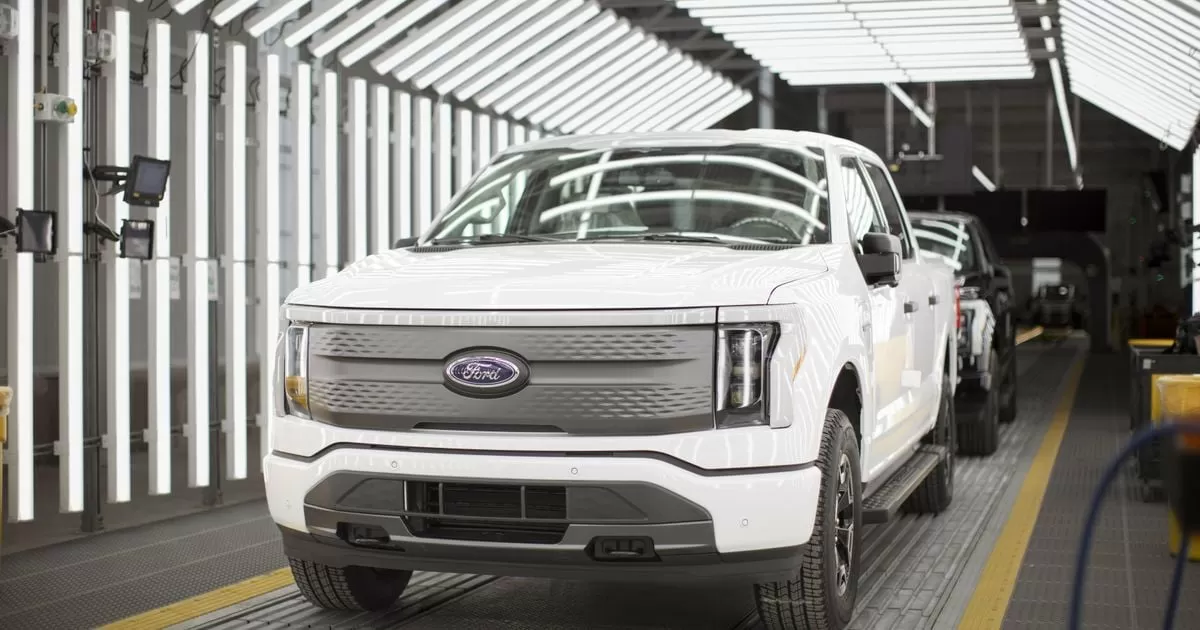
The automotive industry is no stranger to change. Over the years, we have seen advancements in technology, design, and performance. However, one of the biggest changes that the industry is currently facing is the shift towards electric vehicles (EVs). With the increasing concern for the environment and the need for sustainable transportation, many established auto brands have set ambitious targets for EV production. However, recent reports have shown that these targets are being reset, and the focus is shifting back to cheap ICE-powered cars. This has resulted in billions of dollars being written off by these brands. But is this a sign of failure, or is it a necessary step towards a more sustainable future? Let’s take a closer look.
Firstly, it is important to understand why these established auto brands set such ambitious targets for EV production in the first place. The rise of Tesla, a company solely dedicated to electric vehicles, has put pressure on traditional automakers to keep up with the trend. With the increasing concern for climate change and the growing demand for electric vehicles, these brands saw an opportunity to tap into a new market and increase their profits. However, the reality is that the transition to EVs is not as easy as it seems.
One of the main challenges that automakers face when it comes to EVs is the high cost of production. Electric vehicles require advanced technology and expensive materials, which significantly increases the cost of manufacturing. This, in turn, leads to higher prices for consumers, making EVs less affordable for the average car buyer. As a result, the demand for EVs has not been as high as initially anticipated, and automakers are struggling to meet their sales targets.
Another factor that has contributed to the shift back to ICE-powered cars is the lack of infrastructure. While the demand for EVs is increasing, the infrastructure to support them is still lacking. The availability of charging stations is limited, and the charging process itself is time-consuming. This has led to range anxiety among consumers, making them hesitant to switch to electric vehicles. Without a proper infrastructure in place, it is challenging for automakers to convince consumers to make the switch to EVs.
Moreover, the COVID-19 pandemic has also played a significant role in the shift back to ICE-powered cars. The pandemic has caused a global economic downturn, and many people are facing financial uncertainty. In such a situation, consumers are more likely to opt for cheaper options, and electric vehicles, with their high price tags, are not the most attractive option. As a result, automakers are focusing on producing more affordable ICE-powered cars to cater to the current market demand.
However, this shift back to ICE-powered cars does not mean that the future of electric vehicles is bleak. In fact, it is quite the opposite. This is just a temporary setback as automakers navigate through the challenges of transitioning to EVs. The writing off of billions of dollars is a necessary step towards a more sustainable future. Automakers need to reassess their strategies and focus on developing more affordable and efficient electric vehicles. They also need to work towards building a robust infrastructure to support the growing demand for EVs.
Moreover, the recent advancements in technology have made it possible to produce electric vehicles at a lower cost. With the development of more efficient batteries and the use of alternative materials, the cost of manufacturing EVs is expected to decrease in the coming years. This will make electric vehicles more affordable for the average consumer, and we can expect to see a rise in demand for EVs once again.
In addition, governments around the world are also taking steps to promote the adoption of electric vehicles. Many countries have introduced incentives and subsidies to encourage consumers to switch to EVs. This will not only make electric vehicles more affordable but also help in building a more sustainable future.
In conclusion, the recent shift back to ICE-powered cars by established auto brands is not a sign of failure. It is a necessary step towards a more sustainable future. The challenges faced by automakers in transitioning to EVs are being addressed, and we can expect to see more affordable and efficient electric vehicles in the near future. The writing off of billions of dollars is a small price to pay for a cleaner and greener tomorrow. Let us not lose sight of the ultimate goal – to reduce our carbon footprint and protect our planet. The future is electric, and we are well on our way to achieving it.
