
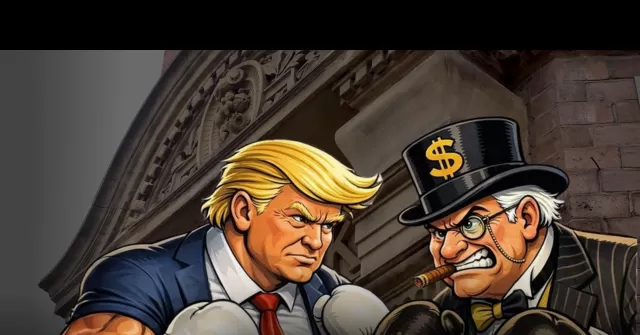
Protecting open banking by keeping hidden fees out sends a powerful message that affordability remains a guiding principle. This is a crucial step in ensuring that the benefits of open banking are accessible to all, regardless of their financial status. As President Trump considers implementing an open banking rule, he must prioritize banning hidden data fees in order to uphold his affordability agenda.
Open banking has the potential to revolutionize the financial industry by promoting transparency, competition, and innovation. It allows customers to securely share their financial data with third-party providers, giving them access to a wider range of financial services and products. This can lead to better deals and more tailored financial solutions for consumers.
However, the success of open banking hinges on the elimination of hidden fees. These fees can include charges for accessing data, processing transactions, or even simply using the service. They can quickly add up and make open banking unaffordable for many Americans, defeating the purpose of this progressive financial model.
President Trump has made affordability a key focus of his administration. He has consistently emphasized the need to lower costs for consumers and provide them with more affordable options. By banning hidden data fees in his open banking rule, he can demonstrate his commitment to this agenda and ensure that open banking truly benefits the American people.
Hidden fees not only make open banking less affordable, but they also go against the very principles of this model. Open banking is supposed to promote transparency and give consumers more control over their financial data. Hidden fees, on the other hand, obscure the true cost of using open banking services and take away this control from consumers.
Moreover, hidden fees can disproportionately affect low-income individuals and families who are already struggling to make ends meet. These fees can make open banking inaccessible to those who need it the most, further widening the financial gap between the rich and the poor. By banning hidden data fees, President Trump can ensure that open banking is truly inclusive and benefits all Americans.
Some may argue that banning hidden fees will stifle innovation and competition in the financial industry. However, this is not the case. In fact, by eliminating hidden fees, open banking will become more competitive as providers will have to offer better deals and services to attract customers. This will ultimately lead to more innovation and better options for consumers.
Furthermore, banning hidden fees will also protect consumers from potential data breaches and fraud. With the rise of cybercrime, it is essential to have strict regulations in place to safeguard sensitive financial data. By banning hidden fees, President Trump can ensure that consumers are not charged for the security measures that should already be in place.
In addition to protecting consumers, banning hidden fees will also benefit small businesses. Open banking can provide small businesses with access to more affordable financial services, allowing them to grow and compete with larger corporations. However, hidden fees can make these services unaffordable for small businesses, hindering their growth and success. By banning hidden fees, President Trump can support the growth of small businesses and promote a more competitive market.
In conclusion, President Trump should ban hidden data fees in his open banking rule. By doing so, he will demonstrate his commitment to affordability, transparency, and innovation in the financial industry. This will not only benefit consumers but also small businesses and the overall economy. It is time to send a powerful message that open banking is for the people and that hidden fees have no place in this progressive model. Let us hope that President Trump makes the right decision and prioritizes the American people in his open banking rule.
