
Several car brands are facing scrutiny in Australia for possible privacy violations related to the collection of personal data from their customers. This issue has raised concerns among the Australian public and has sparked a debate on the protection of personal information in the automotive industry.
The Australian Competition and Consumer Commission (ACCC) has launched an investigation into several car brands after receiving complaints from consumers. These complaints allege that car companies are collecting and using personal data without the consent of their customers. This includes information such as location data, driving habits, and even voice recordings.
The ACCC has stated that the collection of personal data without proper consent is a violation of the Australian Consumer Law. This law states that companies must not engage in misleading or deceptive conduct, including the collection and use of personal data without consent.
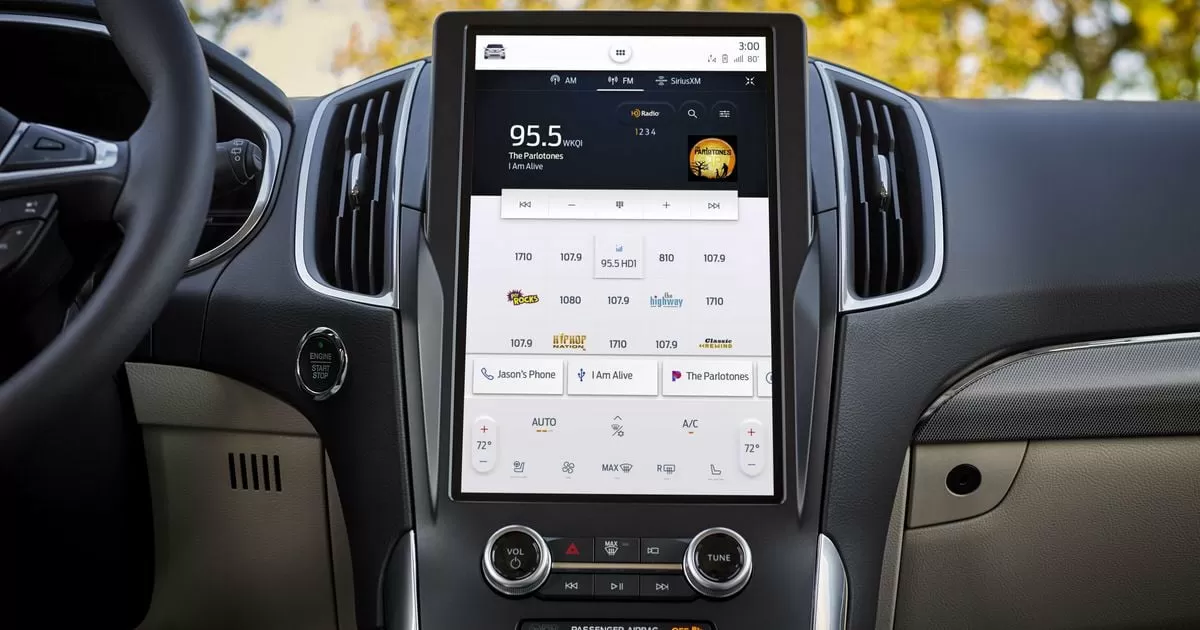
This issue has raised concerns about the privacy and security of personal information in the automotive industry. With the rise of connected cars and advanced technology, cars are now capable of collecting vast amounts of data about their drivers and passengers. This data can be used for various purposes, such as improving the driving experience, providing personalized services, and even for targeted advertising.
However, the concern arises when this data is collected without the knowledge or consent of the individuals. This not only raises privacy concerns but also questions about the ethical use of personal information by car companies.
The ACCC has reminded car companies that they have a responsibility to protect the personal information of their customers and to be transparent about the collection and use of this data. They have also urged consumers to be aware of their rights and to carefully read the privacy policies of car companies before purchasing a vehicle.
In response to these allegations, several car brands have released statements assuring their customers that they take the protection of personal information seriously and that they are fully compliant with the Australian Consumer Law. They have also stated that they are working closely with the ACCC to address any concerns and to ensure that their practices are in line with the law.
The automotive industry has also taken steps to address this issue. The Federal Chamber of Automotive Industries (FCAI) has released a set of guidelines for car companies to follow when collecting and using personal data. These guidelines include obtaining explicit consent from customers before collecting their data, providing clear and concise privacy policies, and implementing strong security measures to protect this information.
The FCAI has also emphasized the importance of educating consumers about the benefits and risks of connected cars and the collection of personal data. They have stated that transparency and trust are crucial in maintaining a positive relationship between car companies and their customers.
The Australian public has also expressed their concerns about this issue. Many consumers are calling for stricter regulations to protect their personal information and for car companies to be held accountable for any privacy breaches. They have also urged the government to take action and to ensure that the privacy of individuals is not compromised.
In conclusion, the recent allegations of privacy breaches by car brands have shed light on the importance of protecting personal information in the automotive industry. The ACCC’s investigation and the actions taken by the FCAI and car companies show that steps are being taken to address this issue and to ensure that the privacy of individuals is respected. It is crucial for car companies to be transparent and ethical in their practices to maintain the trust of their customers. The Australian public can also play a role by being aware of their rights and demanding accountability from car companies. With these efforts, we can strive towards a safer and more secure future for our personal data.
