
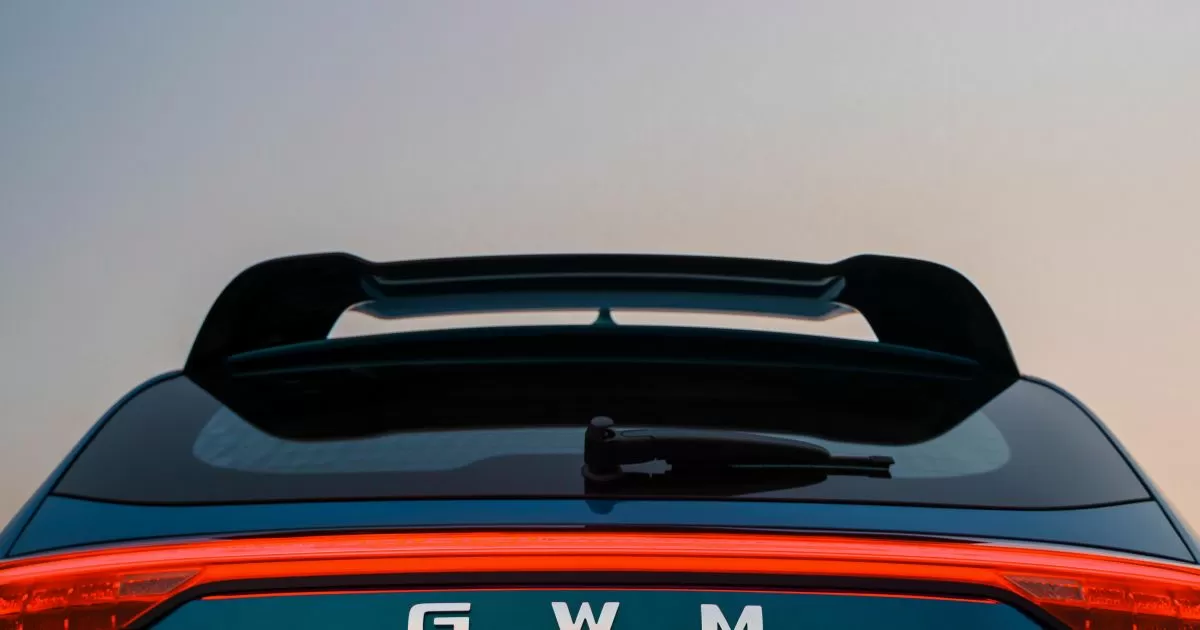
Great Wall Motors (GWM), one of China’s leading automobile manufacturers, recently made headlines with the announcement of their new small-displacement eight-cylinder engine. This engine is set to be a game-changer in the automotive industry, as it has been borrowed from GWM’s successful motorcycle division. The company is confident that this engine will not only enhance the performance of their cars but also revolutionize the way engines are designed and used in the future.
GWM is known for its innovative approach to developing engines, and this new eight-cylinder engine is no exception. It is the first time that a motorcycle engine has been adapted to fit into a car, and the results are impressive. The new engine boasts a displacement of 2.0 liters and is capable of producing an incredible 312 horsepower. This is a significant improvement from the current four-cylinder engines used in GWM’s cars, which typically produce around 120 horsepower.
One of the main reasons for using a motorcycle engine in cars is its compact size. As compared to traditional car engines, motorcycle engines are much smaller and lighter, making them an ideal fit for smaller cars. This new engine will be used in GWM’s compact SUVs and sedans, providing them with a significant boost in power without compromising on fuel efficiency. The company aims to cater to the growing demand for smaller, more efficient cars in the market.
But what makes this engine truly special is its unique design. GWM’s motorcycle division has been developing this engine for years, and it has proven to be a reliable and high-performing powertrain. The eight-cylinder engine is designed to deliver a smooth and seamless driving experience, with minimal vibrations and noise. This is a major advantage, especially for drivers who enjoy a more refined and comfortable ride.
Moreover, the use of motorcycle technology in cars is a significant step towards achieving cleaner and greener transportation. Motorcycle engines are known for their fuel efficiency and low emissions, and this is exactly what GWM aims to achieve with their new engine. By using this technology in their cars, the company hopes to reduce the carbon footprint of their vehicles and contribute to a more sustainable future.
GWM’s decision to borrow their motorcycle engine for their cars is a smart move, as it allows them to tap into an existing market while also expanding their reach. The company’s motorcycle division has been successful in China and other Asian countries, and this new engine will undoubtedly attract more customers to their cars. It is a win-win situation for both GWM and their customers.
The use of motorcycle technology in cars is not entirely new, but GWM’s approach is what sets them apart from other manufacturers. While others have simply adapted motorcycle engines to fit into cars, GWM has taken it a step further by making necessary modifications to ensure the engine’s optimal performance in a car. This exemplifies the company’s commitment to innovation and pushing boundaries in the automotive industry.
The introduction of this new engine is a testament to GWM’s dedication to providing their customers with the best possible driving experience. The company has always been at the forefront of technological advancements, and this new engine is a reflection of their continuous efforts to improve and evolve. It is a clear indication that GWM is not afraid to take risks and explore new avenues to stay ahead in the highly competitive automotive market.
In conclusion, GWM’s new small-displacement eight-cylinder engine is a game-changer in the automotive industry. By borrowing technology from their motorcycle division, the company has created a powerful and efficient engine that will undoubtedly elevate the performance of their cars. It is a bold and innovative move that showcases GWM’s commitment to excellence and their determination to be a leader in the industry. With this new engine, GWM has once again proven that they are not afraid to break conventions and pave the way for a brighter and more sustainable future in the automotive world.
