
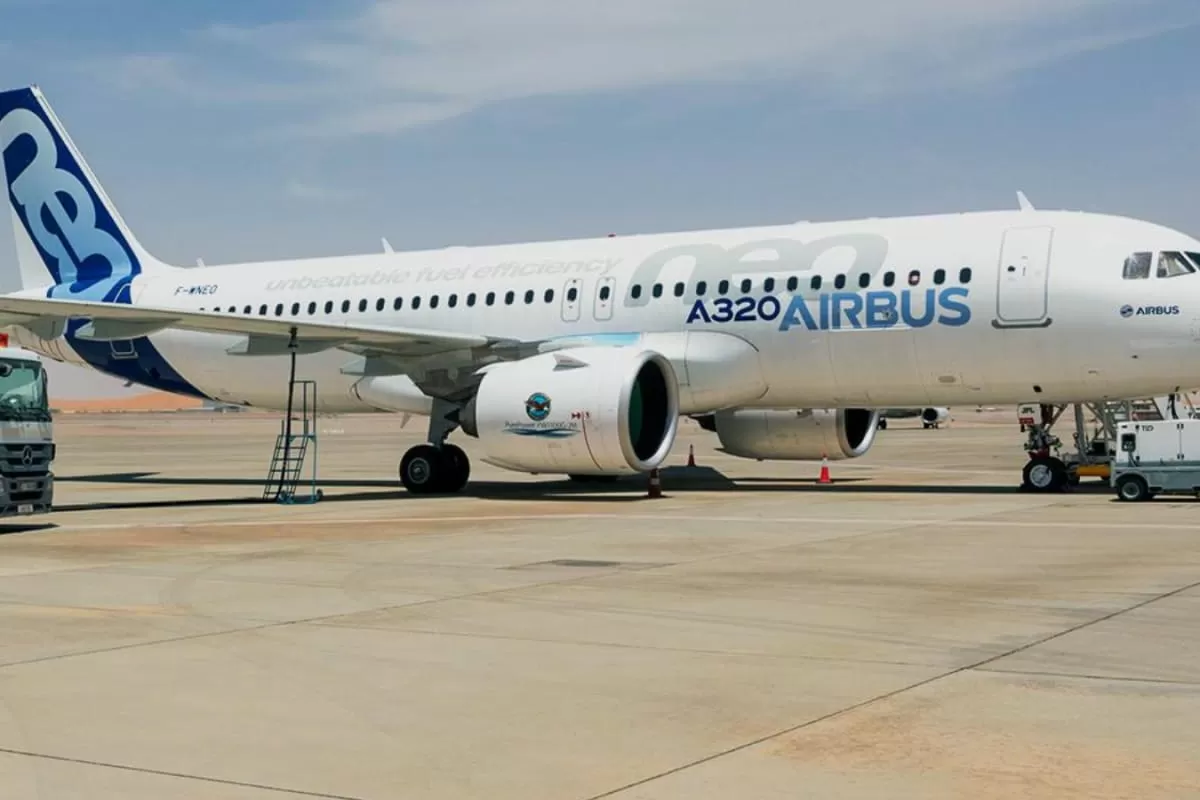
The skies are abuzz with news of a global A320 recall, causing a stir in the aviation industry. This recall, initiated by the European Aviation Safety Agency (EASA), is set to trigger mandatory software and hardware updates for all A320 aircrafts. While this may cause some temporary disruptions, it is a crucial step towards ensuring the safety and reliability of this popular aircraft.
The A320, manufactured by Airbus, is a widely used aircraft by airlines across the world. Its advanced technology, fuel efficiency and passenger comfort have made it a preferred choice among airlines. However, recent incidents have brought to light a potential issue with the flight-control alert system of the A320. As a result, EASA has issued an Airworthiness Directive, requiring all airlines operating A320s to complete mandatory updates within a specified time frame.
The primary purpose of this global recall is to address a potential malfunction in the flight-control alert system, which could result in incorrect speed and altitude readings. While this occurrence is rare, it is a serious matter that needs immediate attention. Therefore, the mandatory updates will involve both software and hardware modifications to ensure the accuracy and reliability of the flight-control system.
Undoubtedly, this global A320 recall has caused some disruptions in the operations of airlines, as they work towards completing the mandatory updates. However, it is important to note that safety and passenger well-being are the top priorities of the aviation industry. As such, these temporary inconveniences are a small price to pay for ensuring the safety of passengers and crew.
Moreover, the timely and thorough completion of these updates is a testament to the efficiency and professionalism of the aviation industry. Airlines have been quick to respond to the recall, with many already completing the necessary updates and resuming normal operations. This showcases the commitment of the industry towards ensuring the highest safety standards for its passengers.
It is worth mentioning that this is not the first time such a global recall has been initiated. In fact, the aviation industry has a robust system in place to handle such situations. Whenever a potential safety issue is identified, it is immediately addressed and rectified through mandatory updates. This is a standard procedure to ensure the continued safety and reliability of aircrafts.
Furthermore, Airbus has been working closely with EASA and the airlines to minimize any disruptions caused by this recall. The company has provided detailed instructions and technical support to facilitate the updates. Additionally, it has also offered compensation to airlines for any revenue losses incurred during the downtime of their A320s. This shows the strong partnership and cooperation between manufacturers and airlines in the aviation industry.
In conclusion, the global A320 recall may have caused some temporary disruptions, but it is a necessary measure to ensure the safety and reliability of this popular aircraft. The aviation industry has responded swiftly and efficiently to this situation, highlighting its commitment to the safety and well-being of its passengers. We can all rest assured that with the completion of these mandatory updates, the A320 will continue to soar the skies with the highest level of safety and efficiency.
