
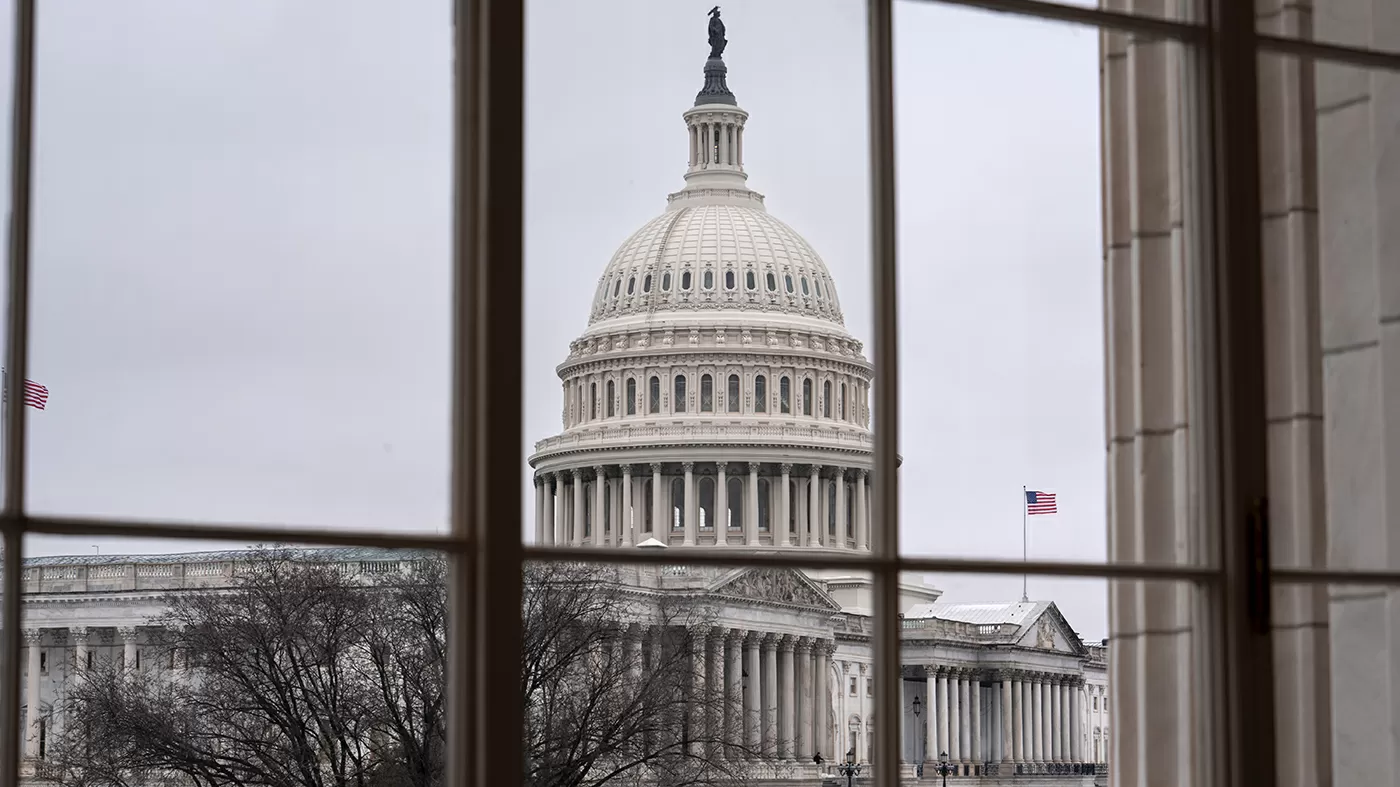
Nearly 40 attorneys general from across the United States have come together to send a powerful message to congressional leaders: do not ban states’ ability to enact laws regarding artificial intelligence (AI). In a letter sent on Tuesday, these legal representatives urged Congress to reject any legislation that would limit states’ authority to regulate this rapidly advancing technology.
While AI has the potential to revolutionize numerous industries and improve our daily lives, it also poses significant risks. These risks, according to the attorneys general, must be addressed in order to protect the most vulnerable among us, especially our children. As such, states must have the power to apply existing laws and develop new approaches to effectively regulate AI.
The letter, signed by attorneys general from 38 states and territories, highlights the importance of state-level regulation in addressing the potential harms of AI. It emphasizes that states are in the best position to understand the unique needs and concerns of their communities and to develop tailored solutions to address them.
The attorneys general also point out that AI is not a one-size-fits-all technology. It can have vastly different impacts depending on its use and application. Therefore, a blanket ban on state regulation would hinder the ability of states to effectively address the specific risks and challenges posed by AI in their respective jurisdictions.
One of the main concerns raised by the attorneys general is the potential impact of AI on children. As AI becomes more prevalent in our daily lives, it is crucial that we protect our children from any potential harm. This includes safeguarding their personal information, ensuring their safety and well-being, and promoting ethical and responsible use of AI in their education and development.
The letter also highlights the need for states to have the authority to address potential discrimination and bias in AI systems. As AI algorithms are often trained on biased data, they can perpetuate and amplify existing societal biases, leading to discriminatory outcomes. States must have the power to regulate and hold accountable companies and organizations that use AI in a discriminatory manner.
Furthermore, the attorneys general stress the importance of protecting consumer privacy in the age of AI. With the vast amount of data being collected and used by AI systems, it is crucial that states have the ability to regulate the collection, use, and sharing of this data to ensure the privacy and security of their citizens.
In conclusion, the letter from the attorneys general serves as a strong reminder that while AI has the potential to bring about great advancements, it also poses significant risks that must be addressed. States must have the authority to regulate AI in order to protect their citizens, especially the most vulnerable among us. As such, Congress must reject any legislation that would limit states’ ability to enact laws regarding AI. It is only through collaborative efforts between states and the federal government that we can ensure the responsible and ethical use of AI for the betterment of our society.
