
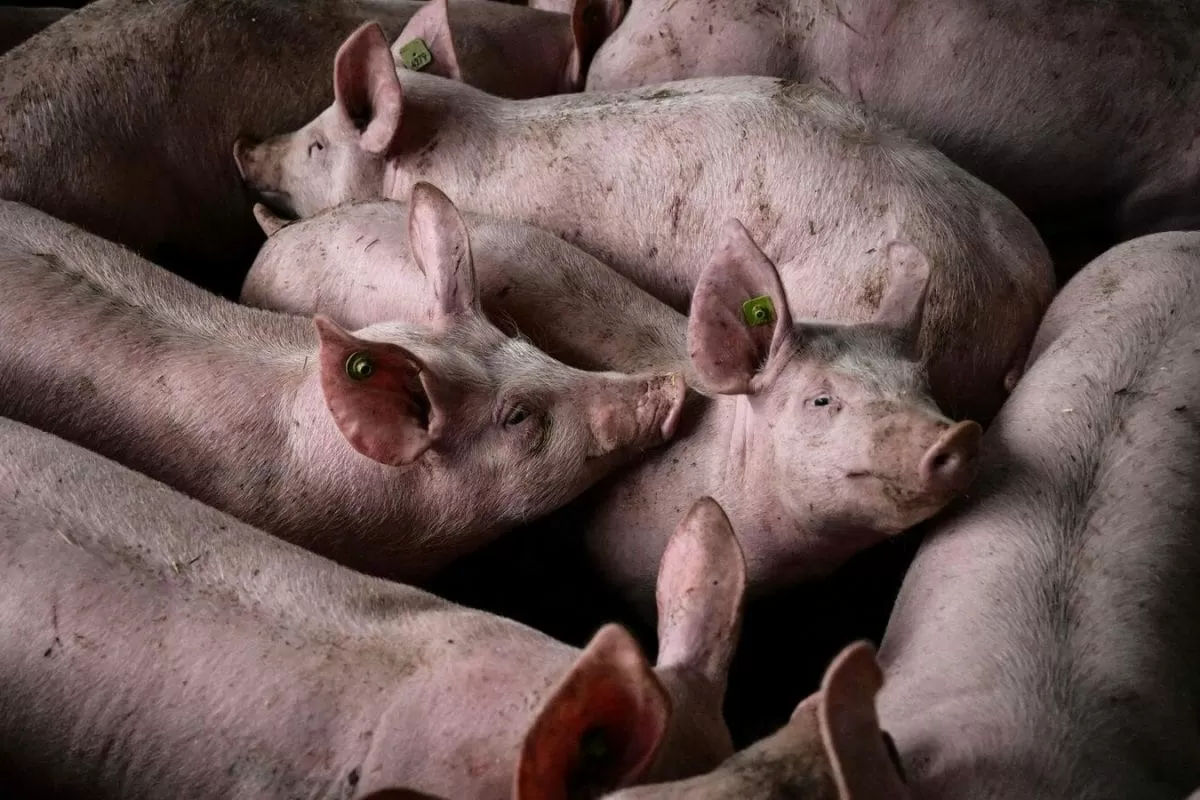
More than 14,500 pigs have been culled this year, and over 3,000 have died due to the virus in Assam, leaving many in the state devastated. The sudden outbreak of the deadly virus has caused a significant loss to the pig farming industry and has affected the livelihoods of numerous farmers. However, amidst this unfortunate situation, there is a glimmer of hope as the government and various organizations are working tirelessly to control the spread of the virus and support the affected farmers.
The outbreak of the African swine fever (ASF) in Assam, a highly contagious viral disease, has caused a major crisis in the state’s pig farming industry. According to the latest reports, over 14,500 pigs have been culled this year, and more than 3,000 have died due to the virus. This has caused a severe financial setback for many farmers who rely on pig farming as their main source of income.
The ASF virus is known to spread rapidly among pigs, and the mortality rate is exceptionally high, making it a significant threat to the pig population in Assam. With a large number of pigs dying and being culled, the situation has become critical, and immediate action is required to prevent further spread of the virus.
But in the face of this distressing situation, the government and various organizations have stepped in to help the affected farmers. The Assam government has allocated funds for compensating the farmers for their loss and has also set up teams of veterinarians to conduct health check-ups and provide necessary treatment to the pigs.
Moreover, the state government, in collaboration with the National Pig Development Program (NPDP), has launched a comprehensive awareness and vaccination drive to prevent the further spread of the virus. Special training programs have been conducted for pig farmers to educate them about the preventive measures and the proper way to handle the infected pigs.
The state government has also sought help from the Central Government and other organizations to tackle this crisis. The Ministry of Agriculture and Farmers’ Welfare has announced financial assistance of Rs. 590 crores to the states affected by ASF, including Assam. This aid will be used to compensate the affected farmers for the loss of their livestock and to carry out vaccination drives and other preventive measures.
Various NGOs and animal welfare organizations have also joined hands to help the affected farmers. They have provided financial aid, food, and other necessary resources to the farmers to help them cope with the loss and maintain their livelihoods. These organizations have also been actively involved in creating awareness among the public about the ASF virus and how to prevent its spread.
Along with the government and other organizations, the people of Assam have also come forward to support the affected farmers. Many individuals and organizations have donated money, food, and other essential items to the farmers, showing a commendable sense of solidarity and empathy towards their fellow citizens.
The rapid and coordinated response from the government and various organizations has helped to contain the spread of the virus to a great extent. The number of reported cases has decreased in recent weeks, and with proper measures in place, it is hoped that the ASF virus can be fully eradicated in the near future.
The outbreak of the ASF virus has been a major setback for the pig farming industry in Assam. However, the collective efforts and support from the government, organizations, and the people have given a ray of hope to the affected farmers. It is heartening to see the resilience and determination of the farmers to bounce back from this crisis and continue their livelihoods.
As the affected farmers slowly recover from this ordeal, let us all come together to lend a helping hand and support them in rebuilding their lives. The solidarity and unity shown by the people of Assam in the face of this crisis only proves that we as a community can overcome any challenge that comes our way. Let us stay positive and extend a helping hand to those in need, and together we can overcome this crisis and emerge stronger than ever before.
