
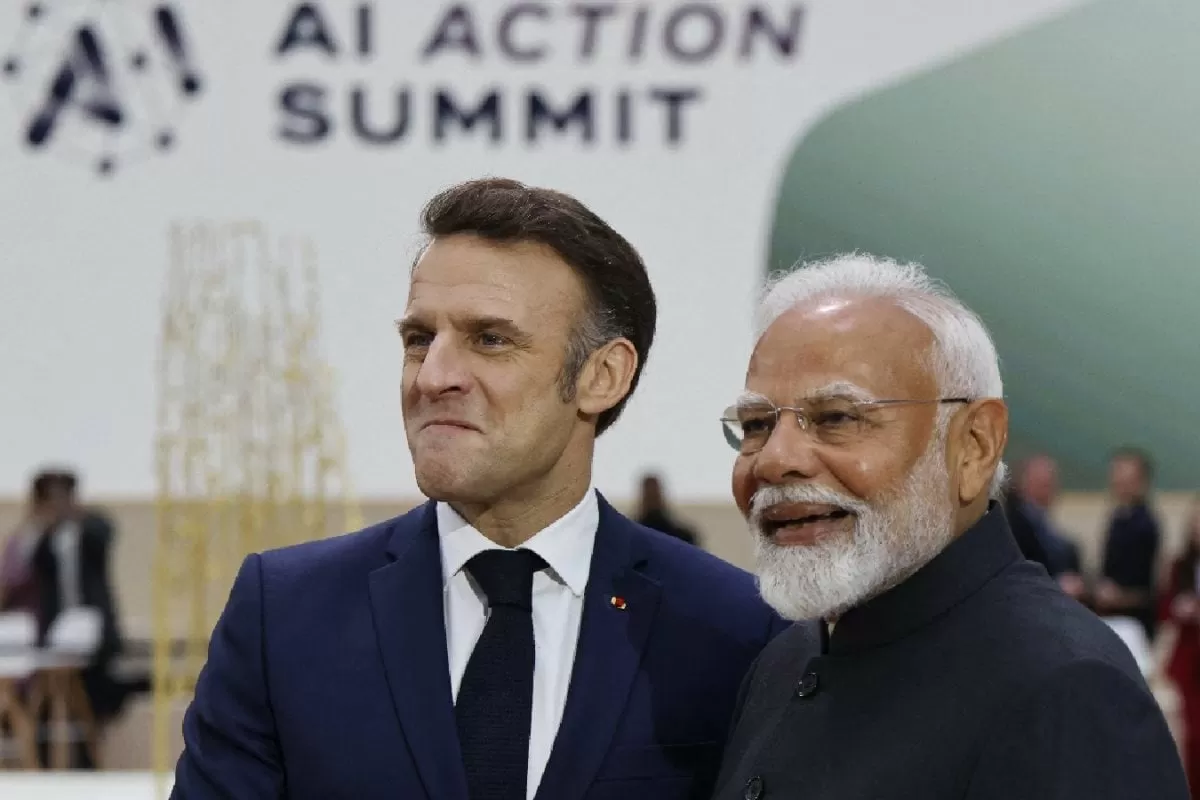
France and India have been working together to strengthen their ties in various areas, including trade, defense, and culture. In this spirit of collaboration, Anne Bouverot, the Chairperson of the French Digital Council, recently praised India’s approach to artificial intelligence (AI).
In an interview with a leading Indian newspaper, Bouverot lauded India’s efforts in embracing AI and incorporating it into various sectors of the economy. She specifically mentioned the Indian government’s National Strategy for Artificial Intelligence and its vision to make India a global hub for AI research and development.
Bouverot stated that India’s approach to AI demonstrates the same spirit as France, where the focus is on striking a balance between embracing new technologies and protecting society’s fundamental values. She further added that both countries are committed to using AI for the betterment of their citizens and societies.
The French Digital Council chief emphasized the need for a global approach to AI, where countries can work together to set common rules and standards for the development and use of AI. She highlighted that this is where India and France can collaborate and learn from each other’s experiences to ensure ethical and responsible use of AI.
India’s approach to AI has been gaining recognition globally, with the country making significant strides in the field. The Indian government’s National Strategy for Artificial Intelligence, launched in 2018, focuses on harnessing AI’s potential to address key societal challenges and promote inclusive growth. It lays out a comprehensive plan to develop and promote AI research, talent, and adoption in various sectors such as healthcare, agriculture, education, and infrastructure.
One of the key pillars of India’s AI strategy is its commitment to inclusivity and diversity. Recognizing that AI has the potential to exacerbate existing inequalities, the Indian government has taken steps to ensure that AI is developed and used in a way that benefits all sections of society. The strategy also promotes the development of a robust AI ecosystem by fostering collaboration between academia, industry, and the government.
India’s efforts in AI have also been recognized by international bodies such as the World Economic Forum, which has designated India as a “Global Lighthouse” for its AI initiatives. The country is also a founding member of the Global Partnership on AI, a multi-stakeholder international initiative to promote responsible AI development and deployment.
Bouverot’s praise for India’s approach to AI is a testament to the country’s growing prowess in the field. With a rapidly growing AI sector, India is poised to become a global leader in AI research and innovation. Its vast pool of talent, strong technology infrastructure, and supportive government policies make it an ideal destination for AI companies and startups.
The collaboration between India and France in the field of AI is not limited to government-level initiatives. Several French companies, including global tech giant Capgemini, have established AI research labs in India and are actively working with Indian startups and academic institutions. This collaboration is expected to bring forth innovative solutions to global challenges and further strengthen the ties between the two countries.
In conclusion, Anne Bouverot’s praise for India’s approach to AI reflects the country’s commitment to adopting new technologies while prioritizing the welfare of its citizens. As India and France continue to collaborate in this field, they have the potential to create a positive impact not just on their own societies but also on the global stage. With a shared vision of responsible and inclusive AI development, the partnership between these two nations will undoubtedly pave the way for a better and more equitable future.
