
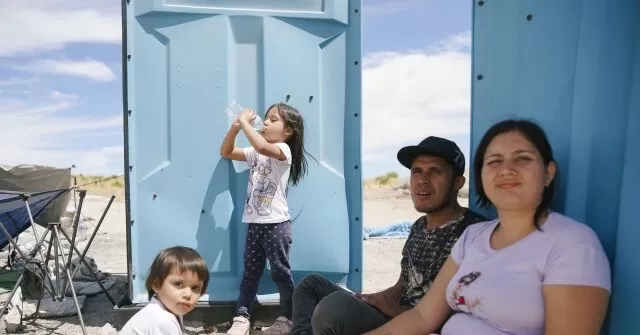
As the government continues to debate over the budget for programs such as SNAP and WIC, new data has emerged that sheds light on the impact of these programs on immigrant families. According to a recent analysis, 47% of immigrant households with young children receive food stamps, also known as SNAP benefits. This statistic has sparked a heated debate over the necessity and effectiveness of these programs for immigrant families.
The Supplemental Nutrition Assistance Program (SNAP) and the Special Supplemental Nutrition Program for Women, Infants, and Children (WIC) are two vital programs that provide food assistance to low-income families in the United States. SNAP, formerly known as food stamps, helps families purchase food through an electronic benefit transfer (EBT) card. WIC specifically targets pregnant women, new mothers, and young children, providing them with nutritious foods to support their health and development.
For many immigrant families, these programs serve as a lifeline, helping them to put food on the table and provide for their children. However, with the recent political climate and ongoing conversations about immigration, there has been a growing concern over the amount of funding allocated to these programs and the impact on immigrant families.
The new analysis, conducted by the Center on Budget and Policy Priorities, revealed that nearly half of immigrant households with young children receive SNAP benefits. This is significantly higher than the percentage of native-born households with young children who receive benefits, which stands at 21%. The data also showed that immigrant families with children are more likely to receive SNAP benefits than immigrant families without children. This highlights the fact that these programs are essential for families with young children, who often struggle to make ends meet.
The findings of this analysis have sparked a debate over the necessity of these programs for immigrant families. Some argue that these families are taking advantage of the system and that the government should prioritize funding for American citizens. However, this argument fails to recognize the struggles that many immigrant families face. Coming to a new country, often with limited resources and support, can make it challenging to provide for one’s family. These programs provide a much-needed safety net for these families, ensuring that they have access to basic necessities like food.
Moreover, the data also shows that these programs are effective in reducing food insecurity and improving health outcomes for immigrant families. A study by the National Bureau of Economic Research found that children of immigrants who received SNAP benefits had better health outcomes, including lower rates of anemia and improved access to healthcare. This highlights the positive impact that these programs have on the overall well-being of immigrant families.
It is also essential to note that many immigrants who receive these benefits are working and contributing to the economy. According to the Migration Policy Institute, 39% of immigrant families with children receiving SNAP benefits have at least one working adult in the household. This dispels the misconception that immigrants are a drain on the economy and highlights their contribution to the workforce.
In the current political climate, where anti-immigrant sentiments are on the rise, it is crucial to recognize the positive impact that programs like SNAP and WIC have on immigrant families. These programs not only provide essential assistance but also promote the health and well-being of our immigrant communities.
As the debate over funding for these programs continues, it is essential to remember that we are a nation built on diversity and the contributions of immigrants. We must ensure that our policies and programs reflect our values of compassion and support for those in need, regardless of their immigration status.
In conclusion, the recent analysis showing that 47% of immigrant households with young children receive SNAP benefits reinforces the crucial role that these programs play in supporting immigrant families. Instead of stigmatizing and cutting funding for these programs, we should recognize their positive impact and work towards finding ways to improve and expand them. Let us not forget that we are a nation of immigrants, and we must continue to prioritize the well-being of all families, regardless of their background.
