
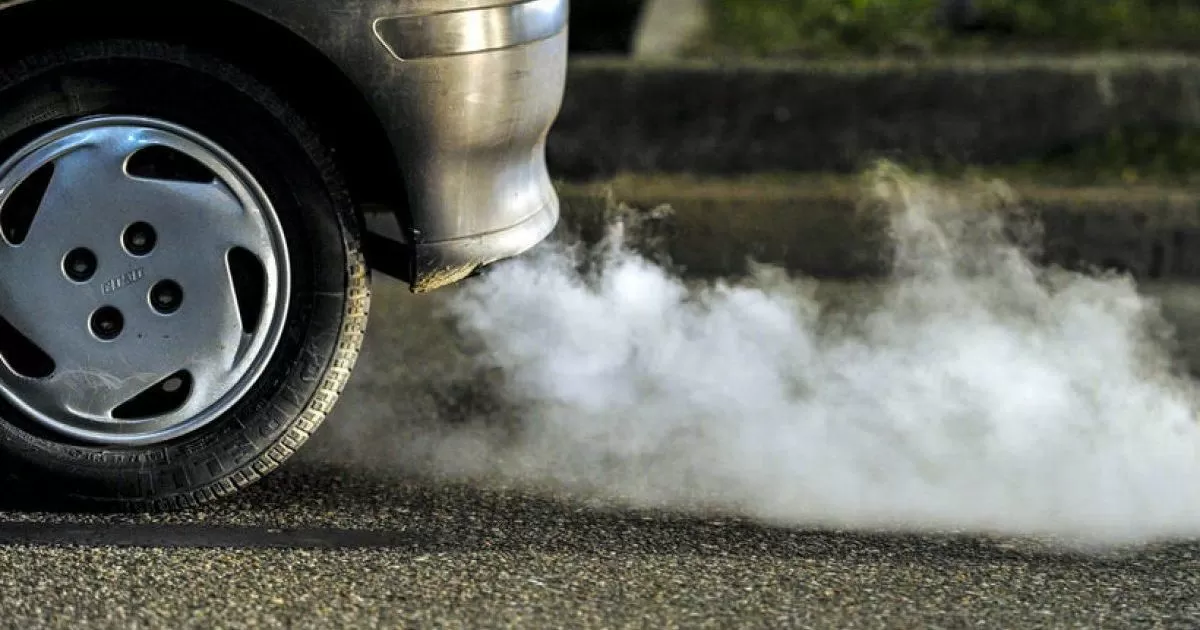
Despite Plug-in Hybrids Being Promoted as a Stepping Stone to Lower Emissions, a New Study Suggests That May Not Be the Case
In recent years, the automotive industry has been making strides towards reducing carbon emissions and promoting sustainability. One of the ways this has been achieved is through the introduction of plug-in hybrid vehicles, which combine the benefits of both electric and gasoline-powered cars. These vehicles have been marketed as a stepping stone towards lower emissions and a greener future. However, a new study suggests that this may not be entirely true.
Plug-in hybrids, also known as PHEVs, have gained popularity due to their ability to switch between electric and gasoline power. This means that they can be driven using electricity for shorter distances, reducing the need for gasoline and ultimately reducing emissions. This has been seen as a positive step towards a more sustainable future, with many governments and car manufacturers promoting them as a solution to reducing carbon emissions.
However, a recent study conducted by the International Council on Clean Transportation (ICCT) has raised concerns about the actual impact of plug-in hybrids on emissions. The study found that in real-world driving conditions, plug-in hybrids emit significantly more carbon dioxide than what is claimed by car manufacturers. This is due to the fact that these vehicles often rely on their gasoline engines for longer distances, resulting in higher emissions.
The study also found that many plug-in hybrids are not being charged regularly, which defeats the purpose of their electric capabilities. This is because most drivers do not have access to charging stations at home or work, and public charging infrastructure is still limited in many areas. As a result, these vehicles end up being driven as regular gasoline cars, emitting the same amount of carbon dioxide.
This new research has raised concerns about the effectiveness of plug-in hybrids in reducing emissions. If these vehicles are not being driven as intended, then they are not fulfilling their purpose of being a stepping stone towards a greener future. This is a major setback for the automotive industry, which has been heavily promoting plug-in hybrids as a solution to reducing emissions.
The study also highlights the need for more accurate and transparent emissions testing. Currently, car manufacturers are allowed to use laboratory tests to determine the emissions of their vehicles, which do not accurately reflect real-world driving conditions. This has led to a significant gap between the claimed emissions and the actual emissions of plug-in hybrids.
So, what does this mean for the future of plug-in hybrids? Does this mean that they are not a viable solution for reducing emissions? Not necessarily. Plug-in hybrids still have the potential to play a significant role in reducing carbon emissions, but certain changes need to be made.
Firstly, there needs to be a greater focus on improving charging infrastructure. Governments and car manufacturers need to work together to make charging stations more accessible and convenient for drivers. This will encourage more people to charge their plug-in hybrids regularly, reducing their reliance on gasoline.
Secondly, there needs to be stricter regulations on emissions testing. Car manufacturers should be held accountable for the actual emissions of their vehicles, rather than relying on laboratory tests. This will ensure that plug-in hybrids are accurately represented and that consumers can make informed decisions when purchasing a vehicle.
In conclusion, the recent study by the ICCT has shed light on the limitations of plug-in hybrids in reducing emissions. While they have been marketed as a stepping stone towards a greener future, the reality is that they may not be as effective as initially thought. However, with the right changes and improvements, plug-in hybrids still have the potential to play a significant role in reducing carbon emissions and promoting sustainability. It is up to governments and car manufacturers to take action and make these necessary changes for a cleaner and greener future.
