
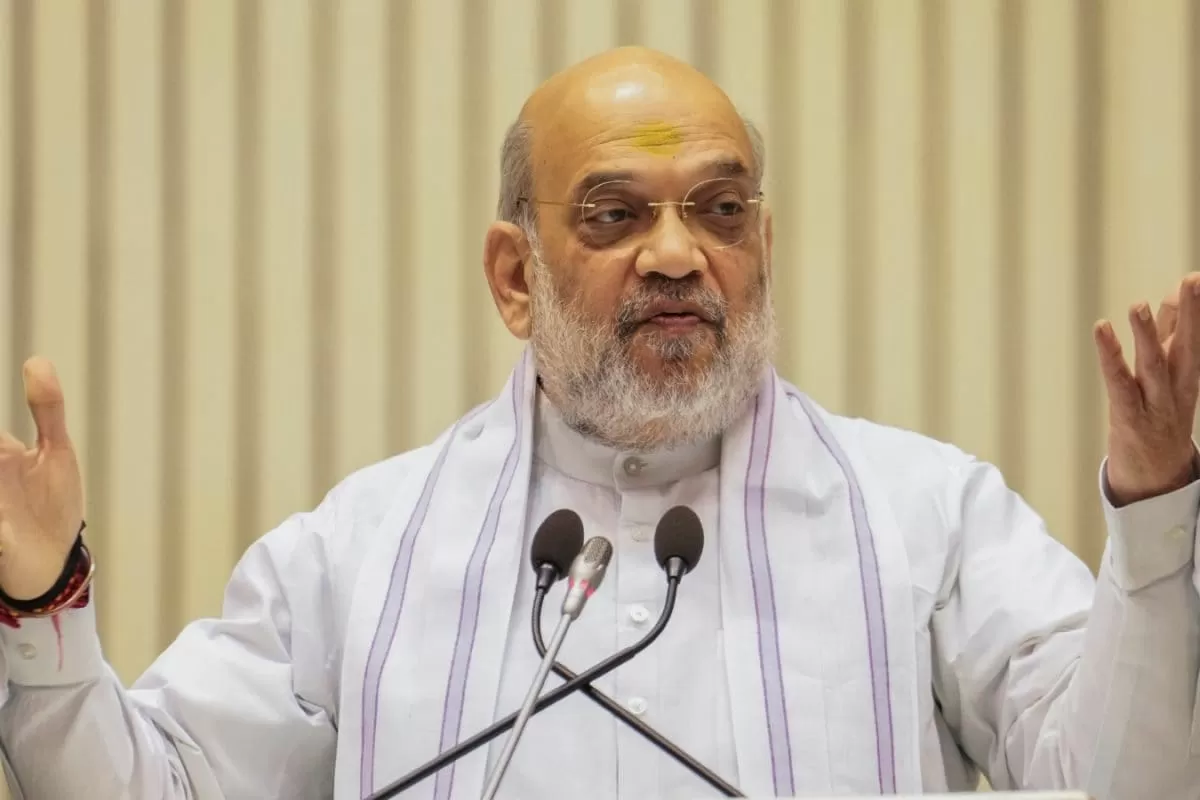
Amit Shah, the Home Minister of India, recently congratulated the Rashtriya Swayamsevak Sangh (RSS) on its 100th year anniversary. In a heartfelt message, he praised the organization for its remarkable legacy and contributions to the nation. The RSS, founded by Keshav Baliram Hedgewar in Nagpur in 1925, has played a significant role in shaping the social, cultural, and political landscape of India.
The RSS, also known as the National Volunteer Organization, is a socio-cultural organization that aims to promote the values of selfless service, unity, and patriotism among the citizens of India. It has been instrumental in instilling a sense of pride and responsibility towards the nation in its members. The organization has a vast network of volunteers, known as Swayamsevaks, who work tirelessly towards the betterment of society.
As the RSS completes 100 years of its existence, it is a moment of great pride and joy for all its members and well-wishers. The organization has come a long way since its inception and has evolved into a powerful force that has left an indelible mark on the Indian society. Its journey has been filled with challenges, but the unwavering dedication and commitment of its members have helped it overcome all obstacles.
In his congratulatory message, Amit Shah highlighted the significant role played by the RSS in the freedom struggle of India. The organization has a rich history of actively participating in the fight against British colonialism. Its members, under the leadership of Dr. Hedgewar, worked tirelessly to awaken the spirit of nationalism among the masses. The RSS also played a crucial role in the formation of the Bharatiya Jana Sangh, which later evolved into the Bharatiya Janata Party (BJP).
The RSS has always been at the forefront of social service and has been actively involved in various relief and rehabilitation efforts during natural disasters and calamities. Its volunteers have selflessly served the nation during times of crisis, earning the respect and admiration of the people. The organization has also been instrumental in promoting the concept of Swadeshi, encouraging people to use indigenous products and support local businesses.
One of the most significant contributions of the RSS has been in the field of education. The organization has established numerous schools and colleges across the country, providing quality education to thousands of students. These institutions not only focus on academic excellence but also instill moral values and a sense of national pride in their students. The RSS has also been actively involved in promoting the study of Indian culture and heritage, ensuring that the younger generation remains connected to their roots.
The RSS has always been a strong advocate of social harmony and has worked towards bridging the gap between different communities. Its members have been actively involved in promoting interfaith dialogue and have played a crucial role in maintaining peace and harmony in the country. The organization firmly believes in the principle of “Vasudhaiva Kutumbakam,” which means the world is one family, and has been working towards creating a united and inclusive society.
As the RSS celebrates its centenary, it is a moment of reflection and introspection for the organization. It has come a long way from its humble beginnings in Nagpur and has grown into a powerful force that has left an indelible mark on the Indian society. The RSS has always stood for the values of selfless service, unity, and patriotism, and its legacy will continue to inspire generations to come.
In conclusion, Amit Shah’s congratulatory message to the RSS on its 100th year anniversary is a testament to the organization’s remarkable journey and contributions to the nation. The RSS has played a significant role in shaping the social, cultural, and political fabric of India and will continue to do so in the years to come. As we celebrate this milestone, let us all take a moment to appreciate the tireless efforts of the RSS and its members in making India a better and stronger nation.
